PepsiCo has deployed a fleet of 35 driverless trucks on public roads in Arizona, becoming the first major U.S. consumer-goods company to launch a full-scale rollout of autonomous delivery vehicles.
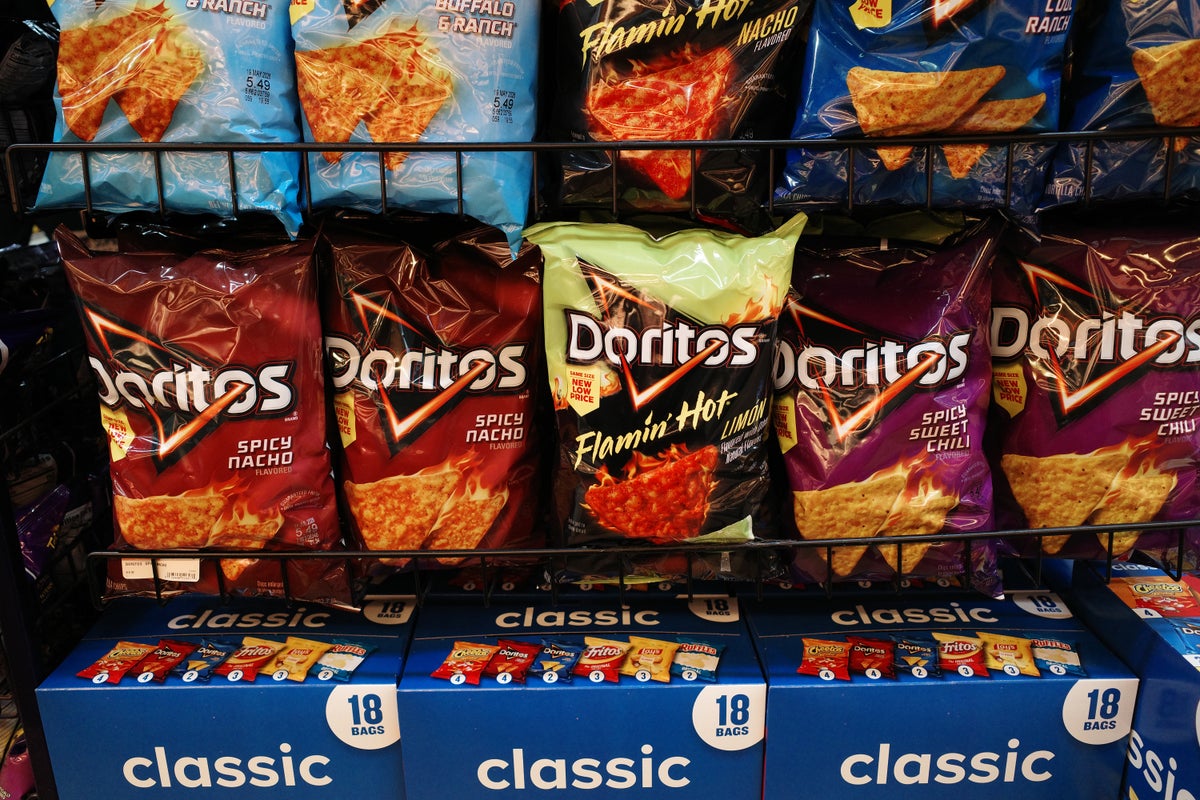
The vehicles are currently hauling Frito-Lay products, including Doritos and Cheetos, between bottling plants, storage facilities and major retailers such as Walmart and Dollar General. There are five additional trucks running in Texas and one in Arkansas.
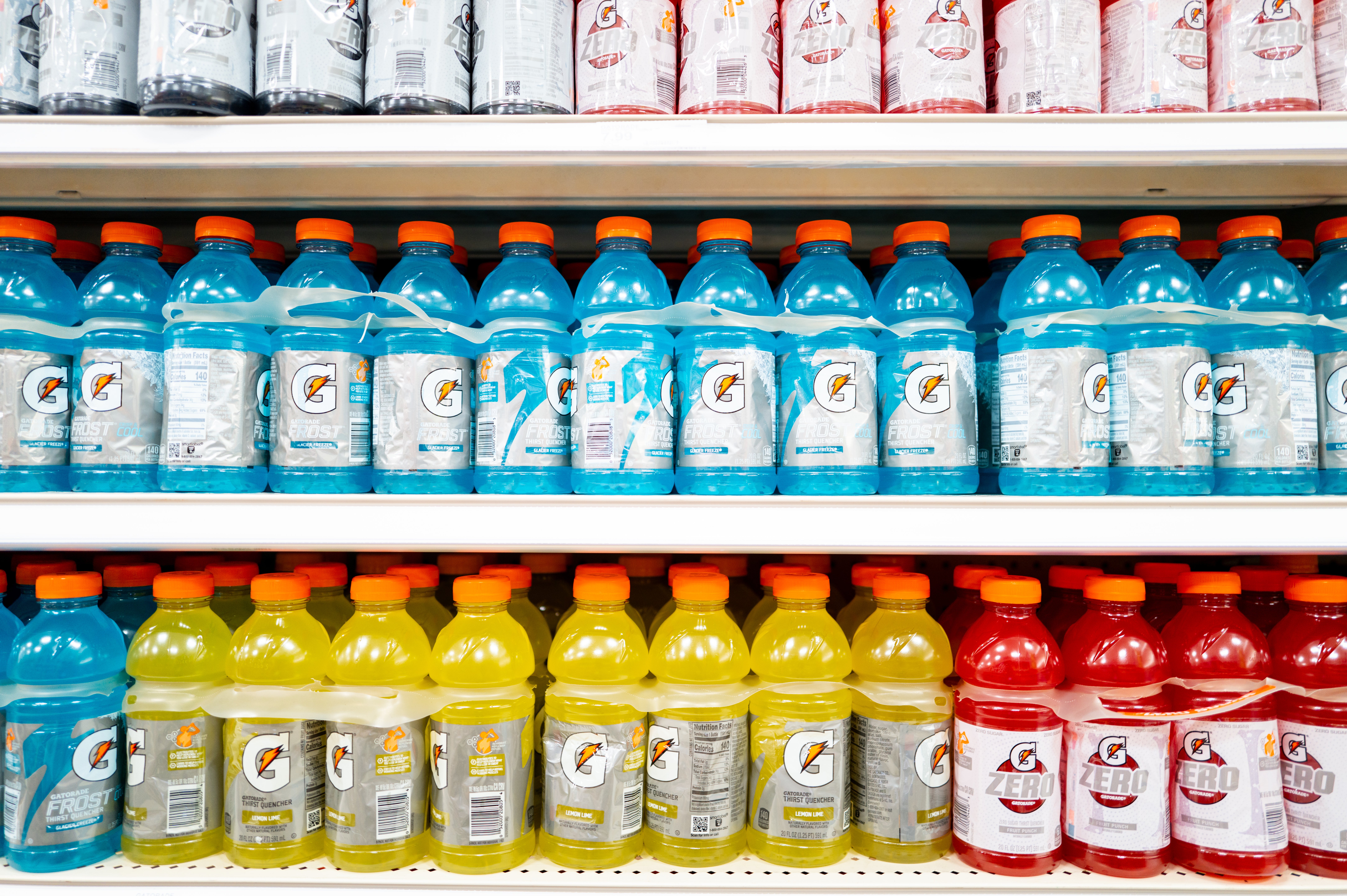
According to reports by the Wall Street Journal, these autonomous operations perform best on short-haul, highly repeatable routes, such as a 14-mile trip between a Gatorade bottling plant and a storage facility. These consistent runs feature fewer variables than traditional delivery routes, allowing the onboard technology to master the paths over time.
“Many of our routes that we’re operating are very repeatable and so, as the truck gets more history going through, it can become more sophisticated and it learns as it goes,” Jim Farrell, senior vice president of supply chain at PepsiCo’s North American beverages division, told the publication.
The medium-duty and heavy-duty box trucks are manufactured by Isuzu Motors in collaboration with Gatik, the autonomous-truck company providing the self-driving technology.
Each vehicle is equipped with multiple external cameras at the front and back, as well as radar and lidar sensors to monitor the surrounding environment. Inside the cab, a steering wheel and air conditioning remain, though the air conditioning is primarily required to cool the onboard computers.
Gatik co-founder and Chief Engineer Apeksha Kumavat told the WSJ that future generations of these trucks would not technically require a steering wheel or a cab.
PepsiCo began working with Gatik in 2022, initially using safety drivers before transitioning to fully driverless runs in June 2025. The company stated that the trucks have been involved in zero accidents on public roads so far, and that they have achieved a 99% on-time arrival rate when excluding uncontrollable factors like weather and traffic.
“The promise of autonomous driving will hold around on-time pickup and on-time delivery,” Gautam Narang, chief executive and co-founder of Gatik, told the outlet. “There’s predictability that you can introduce by having these systems.”
Narang added that automated systems eliminate human variables such as illness, service hour limits and recent federal rules enforcing English-language proficiency that have restricted the commercial driver pool.
“These operations that we’re running today are real,” Farrell told the WSJ. “They are running in multiple markets in a live network, not like some experimental test environment.”
The deployment has drawn strong opposition from labor unions, including the International Brotherhood of Teamsters, which has lobbied several states to mandate trained human operators in all commercial autonomous vehicles.
PepsiCo employs thousands of drivers across the U.S. and expects to retrain some workers to manage the new equipment or handle product unloading. However, the company acknowledges that the technology will ultimately reduce future hiring needs.
“One of the things that we can do is be able to grow the business without having to add as many employees,” Farrell told the Wall Street Journal, adding that the driverless trucks can also be deployed during busy holiday periods when human drivers are less available.
Gatik, which has secured $600 million in revenue from multiyear contracts, also operates more than 20 autonomous trucks in the Toronto area for Canadian retailer Loblaw.
The expansion of autonomous fleets remains governed primarily by state-level regulations, as there are currently no federal laws regulating autonomous vehicles.
The Arizona Department of Transportation is considered one of the most accommodating regulatory environments in the country, using a self-certification process for driverless operations, the Wall Street Journal reports.