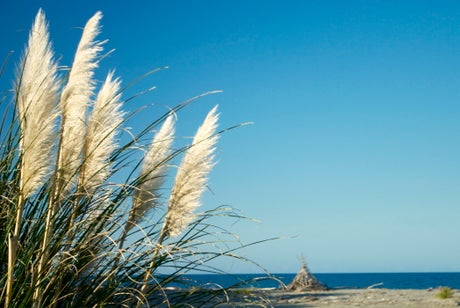
A local council in England has had to ask visitors not to steal Instagram-friendly plant pampas grass from the seafront.
Earlier this month, South Tyneside Council asked visitors not to take the plant from South Shields seafront, informing them that the pretty plant is there to protect the coastline.
The council wrote on Facebook: "We have been made aware of residents picking plants and grasses including pampas grass from the seafront.
"Can we please ask residents that while it may look pretty in their homes these plants are planted specifically to protect our coastline and is important to the overall ecosystem."
The council brought more than 250,000 of the plants to Sandhaven Beach in 2011 to help protect the sand dunes from erosion and "encourage them to grow".
But, since then, pampas grass has become a popular piece of home decoration and #pampasgrass has been used on Instagram more than 300,000 times. The plant is also a popular decorative feature at weddings.
Dried pampas grass is on sale as a home accessory on Etsy, with some retailers charging over £40 for the plant.
Local councillor Ernest Gibson said it is thought that Instagram popularity may have encouraged people to steal the plant and that, in doing so, thieves were "damaging the environment".
He told BBC News that the grass is "quite expensive from a florist", adding: "It's cheaper to come to South Tyneside and take it away."
Pampas grass isn’t native to the UK but is fairly widespread across the country. The plant, which originates in South America, can grow in a variety of climates and types of soil.
Pampas grass planted outside a house used to be seen as an indicator that swingers lived at a property. In 2017, The Telegraph reported that sales of the plant had fallen because of its risque connotations.
"A lot of people used to put it in their front gardens - I think people are probably a bit embarrassed about doing that now," Steve Dawson, a buyer for gardening website Crocus, told the newspaper.
.png?w=600)