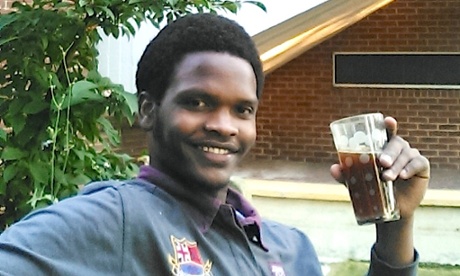
Bakura Lawan, 24, is a law student at the University of Sussex and a member of the Nigeria society. He moved to the UK in 2008 from Borno State in northeastern Nigeria, where he belongs to the Kanuri tribe
Why the UK?
My two big brothers were already in the UK and Africans tend to follow their families to the same universities for a sense of pride. Nigerian parents sending children away for education are drawn to the UK more than the US because of the history – it seems more familiar.
In Nigeria, students study abroad if they have a sponsor. The main two routes are having a rich family, or a middle-class family with high regard for education, even though they can’t really afford it. Another avenue is the government, which chooses people to send.
Nigerians come to the UK because they believe the education is better. There are better prospects and the qualifications are more well-respected.
What are the biggest benefits of studying in the UK?
Staff are extremely helpful and give you their time easily. You can get answers to your questions. I like the organisation and the way the community works. Everything is straightforward here – students know their effort will be reflected in their results.
From stories I hear about Nigerian universities, there’s a lot of corruption. I’ve heard about students not getting the marks they deserve because of non-academic issues, such as having a bad personal relationship with a lecturer, and people might bribe their way into getting better marks.
Do you like British culture?
I have mixed feelings – it’s very exciting and easygoing, the places to socialise are secure and people are friendly. But I’m not keen on British food – there’s almost no spice. Nigerian food is extremely spicy. We like lots of pepper, seasoning, thyme and onions, so when you eat Nigerian food you don’t forget it for a while.
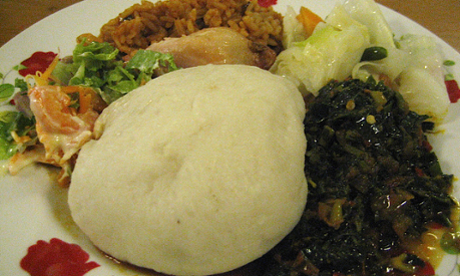
My favourite foods are pounded yam – boiled yam that’s pounded until it’s sticky and you can cut it like melted cheese – and egusi soup. I’m a typical Nigerian boy, I don’t know how it’s made but I know how to eat it.
I’ve cooked my own version of the cuisine at university but I don’t get it right. I’ve only ever cooked for fellow Nigerians, and they probably don’t like it because mine is second-class compared to what they’re used to.
What else do you miss about Nigeria?
Nigeria’s relaxed and has an easygoing culture. Nigerians don’t push themselves as hard as people here. I like the fact that the UK is organised and drives you to be more hardworking, but the level of organisation can sometimes seem extreme.
What has been the most difficult thing about moving?
I was young and naive when I first came – at 18. I was a home boy who didn’t really know how to take care of himself. It’s hard to be academically focused while trying to make new friends, blend in while not forgetting who you are, and balancing the two worlds.
How do you combat homesickness?
I call old friends – their voices immediately make me feel like things are right where we left them. And I go back to Nigeria about once a year.
Who are your best friends at university?
They’ve been Nigerians, but I’ve also made friends with a lot of white people. When I was young I was lucky to go to the American International School of Abuja, which made me familiar with foreigners – Americans, British people and Asians. This made it easier for me to move out of my Nigerian circle and make more friends. But some of my Nigerian friends don’t talk to anyone else, which is bad.
What do you gain from being a member of the Nigerian society?
We often gather to cure our homesickness. In this society we’re equals, but in Nigeria we’d probably walk right past each other. It’s the fact that there’s a community of Nigerians where you have something in common that makes it special. Gathering with your own people brings a sense of relief.
What are the biggest differences between the cultures?
Socialising is more civilised here – people sit around drinking tea, which isn’t common in Nigeria. I love British tea – my favourite is lemon and ginger. It’s almost like hot juice. But like the UK, there’s a big drinking and clubbing culture in Nigeria too.
How would you rate the standard of university teaching in the UK?
My opinion has changed over the years. I now realise that it boils down to the individual student. There are some really good universities in Nigeria and there are more than enough books there, but the standard is a lot higher in Britain. The difference is in the level of dedication and commitment to an academic agenda, rather than the curriculum.
How do your living standards compare in the two countries?
My halls in Sussex are beautiful, more than a student could ask for. The level of comfort here is incomparable to Nigeria: from the proximity to certain places to the availability of internet, life is much more convenient here. You take it for granted until you go back and remember: “Woah, I had it good over there.”
The minimum amount of money you need to live is definitely more here. I spend approximately £250 to £300 a month just on upkeep, after tuition and rent have been paid for. But it’s easier to earn money here than it is in Nigeria.
Where do you prefer to live?
I’d like to travel between the two – Nigeria for my friends, family, the familiarity, the spicy food, and going to the zoo to see animals you don’t have here, and the UK for more serious stuff. When I was younger, I’d have shouted that I’d love to be in the UK forever, but I now realise there are more important things than the excitement around you.
Why did your opinion change?
When I first came, I just thought: “Who cares about family, the people and the country? I’m out here in a beautiful country with beautiful houses and scenery, security and people to help.” But I’ve realised that home is home, your people are your people, and that if you separate yourself from them you don’t have anybody.
What advice would you give to Nigerians hoping to study in the UK?
Go out of your way to understand the country. Many Nigerians lack a comprehensive knowledge of what their university has to offer. If I were to re-live the experience, I’d be more interested in, and in tune with, my surroundings.
The inability to change and adapt is like a disease, but you have to fight it.
Read more stories in the series:
• International students in the UK: who are they really?
• Meet a student from... Germany: ‘I brought a meat hammer from Germany so I can make schnitzel’
• Meet a student from... Malaysia: ‘I miss how, in Malaysia, everything revolves around food’