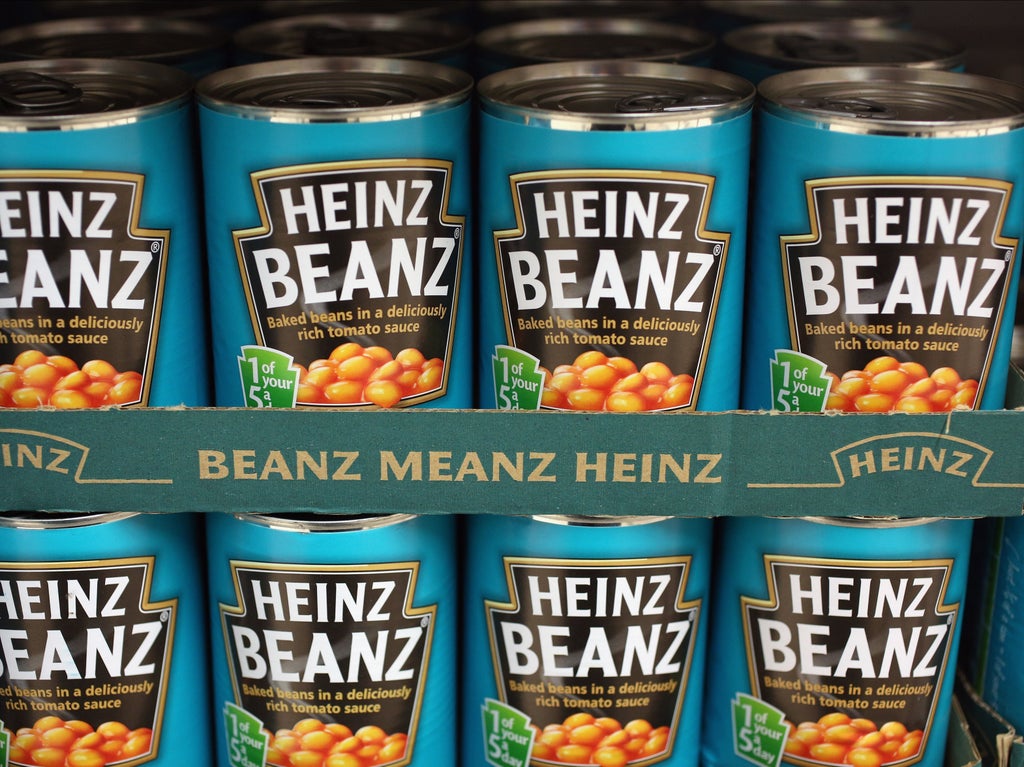
People will have to get used to higher food prices, the boss of Kraft Heinz has warned.
While the world’s population is rising, the amount of land on which to grow food is not, Miguel Patricio reportedly argued.
But in the longer term, “there’s a lot to come in technology to improve the effectiveness of farmers” that will help, he told the BBC, adding: “I think it’s up to us, and to the industry, and to the other companies to try to minimise these price increases.”
Although the UK is facing a cost of living crisis, with inflation having seen a record spike in August, it is not alone in facing higher prices, with the coronavirus pandemic having heavily impacted global supply chains.
In contrast to recent years, inflation is “across the board”, Mr Patricio said, adding that Kraft Heinz – the world’s fifth-largest food and drink firm – is “raising prices, where necessary, around the world”.
This week, the UN’s Food and Agriculture Organisation said global food prices had hit a 10-year high.
Disruptions to food production, shipping and transport during the pandemic have resulted in a struggle to keep up with renewed demand, driving prices up. Global energy prices are also rising, further increasing costs.
"Specifically in the UK, with the lack of truck drivers,” said Mr Patricio, adding that “US logistic costs also increased substantially, and there's a shortage of labour in certain areas of the economy”.
Various supermarket bosses in the UK – which faces the dual shock of Brexit and the pandemic – have recently warned of worsening conditions for consumers, such as rising prices and emptier shelves.
These shortages are likely “permanent”, the former head of the Food and Drink Federation warned last month, suggesting that labour shortages had killed off the “just-in-time” delivery model.
Downing Street has rejected this, however, with Boris Johnson’s spokesman saying: “We have got highly resilient food supply chains which have coped extremely well in the face of challenges and we believe that will remain the case.”
Despite the rise in food and energy prices, the government has pushed ahead with scrapping the £20-per-week universal credit uplift introduced during the pandemic.
The cut – which was applied to assessments on Wednesday and will take effect next week – was described by the anti-poverty Joseph Rowntree Foundation as “the biggest overnight cut to the basic rate of social security since the Second World War”. It is expected to impact six million people.