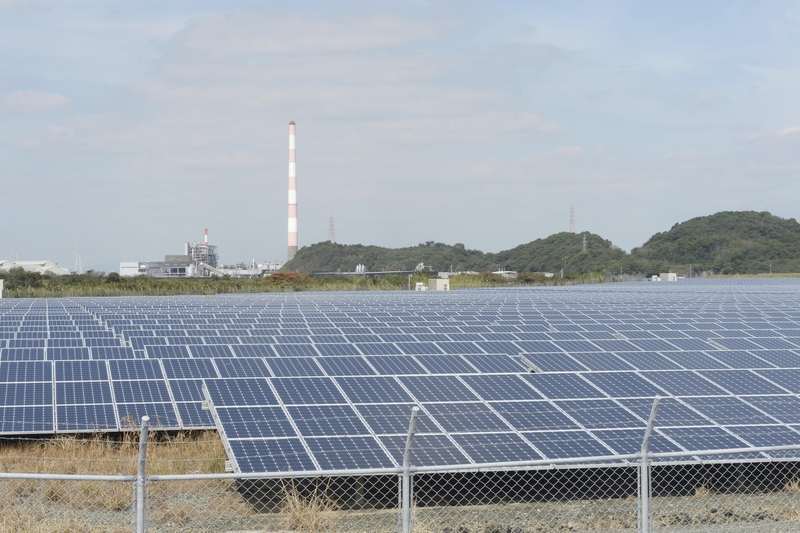
The promotion of renewable energy will cost people in Japan 4.9 trillion yen in fiscal 2030 through the feed-in tariff system, up from 3.1 trillion yen in fiscal 2019, according to government estimates, The Yomiuri Shimbun has learned.
Under the feed-in tariff system, utilities are required to purchase electricity from solar and wind power at fixed prices, with part of the costs covered by a surcharge on households' electricity bills.
As electricity produced from renewable energy sources are more expensive than electricity from sources such as thermal and nuclear power, the burden could rise further with the construction of offshore wind farms and the expansion of power grids.
The Economy, Trade and Industry Ministry's estimates were set to be presented at a meeting of experts on Monday. They will be used as a reference in discussions to consider a new energy mix when the government revises the Strategic Energy Plan this summer.
The ministry estimated the total amount of renewable energy purchases based on three scenarios in which the percentage of renewable energy would increase from 18% of the nation's total power generation in fiscal 2019 to 22%, 24% or 25% in fiscal 2030.
If all facilities, including planned large-scale solar power plants, are in operation, renewable energy will account for 25%. In this scenario, the amount of the burden on the public is estimated to total 4.9 trillion yen, a 60% increase from fiscal 2019. In the other two scenarios, the total burden is projected to be 3.9 trillion yen and 4.4 trillion yen.
Read more from The Japan News at https://japannews.yomiuri.co.jp/