Sometimes news stories are so predictable, you find yourself checking the publication date to check the findings aren’t one, two or three years old. That was the case for this week’s news that affordability of housing is ranked as the biggest problem facing local councils. No one working in the housing sector will have been surprised by this. Any estate agent’s window tells the story in stark terms, as do many people’s rent statements.
The pressure on councils is higher than it’s ever been, facing the biggest cuts since the second world war. Housing-related cuts are particularly brutal. The changes to housing benefit entitlements have left many people – who by definition can’t afford their housing – out of pocket, as their private rent is deemed too expensive. Inevitably, this falls not on the landlord who sets rates, but the tenant. But while the bedroom tax has received a deservedly huge amount of media and political attention, another cut affecting far more people has been largely sidelined.
The removal of the council tax assistance scheme by government, has left many boroughs floundering. Encouraged to freeze council tax, while at the same time needing to find the cash to help those who can’t afford to pay, has meant many councils have resorted to charging tenants who were previously exempt from a portion of their council tax.
Across Britain, 380,000 families have been affected by the bedroom tax and 2.3m families by council tax support cuts. 270,000 families have been affected by both, recent research from the New Policy Institute found. Of the 2.3 million people hit by an average £2.65 a week council tax bill, 1.4 million live in social housing. While for some families discretionary housing payments have temporarily mitigated the effect of the bedroom tax, when council tax support is cut, tenants are hit hard.
The repercussions can be devastating: council tax remains one of the few debts that carries the threat of imprisonment. At court dates for Enfield and Southwark council tenants, more people came through the doors in to the waiting area than council officers could deal with. Most were served an attachment of benefits order that automatically deducted the council-tax arrears, and the far higher court summons fee from their subsistence benefits. Those who continued to build up arrears were threatened with visits from bailiffs.
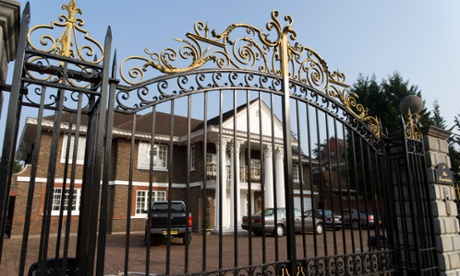
But there would be a straightforward way to end this suffering for the sake of a few pounds a week: reform council tax. The council tax system has barely changed in England and Scotland since its inception in 1993. Houses are rated on assumed capital value from 1991. In practise, this means that a home owner in a recently sold £33.7m home on north London’s Bishops Avenue pays £2,802.14 a year to Barnet council – only around three times the £934.04 the owner of the cheapest house in Barnet will pay.
The housing market, meanwhile, has changed considerably. The gulf between the super-rich and the very poor has grown during the recession, and much of that spike in inequality is due to housing. While much of London and the south-east has shown an exponential rise in house prices and a boom in luxury homes, the poorest have found their meagre benefits cut and median wages are below 2008 levels.
In 2003 Wales rebanded its council tax rates. To do so everywhere in Britain would be easy and would give councils a financial boost. The alphabet is far longer than the eight letters currently used to band rates and extending the bands to reflect the fact that some of our boroughs now have eye-watering rates of housing inequality would mean the wealthiest pay their fair share. It’s difficult to imagine multimillionaires pleading poverty after a council tax rise proportionate to their wealth but it would be an easier sight to see than the queues outside magistrates’ courts for paltry unpaid council tax arrears.
The Bishops Avenue home owner currently pays 0.008% of the value of the house in council tax, each year. Even if council tax was raised to £10,000 a year for the richest in the borough, they would still only be paying 0.02% as a share. Meanwhile a 21-year-old on benefits in Enfield, after an attachment of benefits order, told me she was spending 10% of her incomings each week on council tax arrears.
It’s a modest proposal but one that could make a huge financial difference to councils and mitigate the poverty the current system is entrenching. It would be a progressive tax that would benefit the poorest, while asking the rich to pay a little more. This would be no bad thing.
Hannah Fearn is away.
Sign up for your free Guardian Housing network newsletter with news and analysis sent direct to you every Friday. Follow us on Twitter: @GuardianHousing




.png?w=600)