When you live in an apartment building, there are bound to be some clashes with your neighbors, be it over parking, trash disposal, or, as was the case for Reddit user Osoimopt, noise.
A family moved in above the woman, and she claimed she tried to be understanding at first, but the child’s tantrums had become so loud and frequent that she could no longer work.
Not knowing what to do, the Redditor called the authorities to investigate. However, she told the “Am I the [Jerk]?” community that it only made things worse, and now she is unsure if it was even the right move. So, she wants them to help her make sense of the situation.
This woman said she could no longer work from home because her neighbor’s toddler was having too many tantrums

Image credits: yanadjana / envato (not the actual photo)
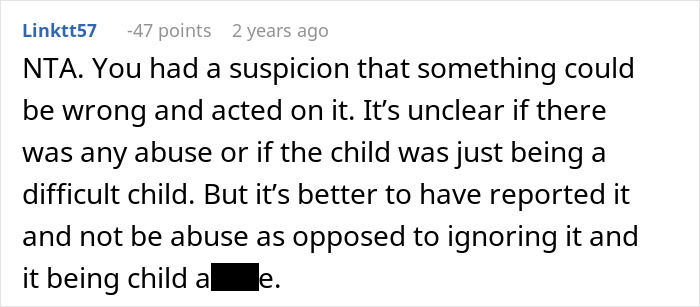
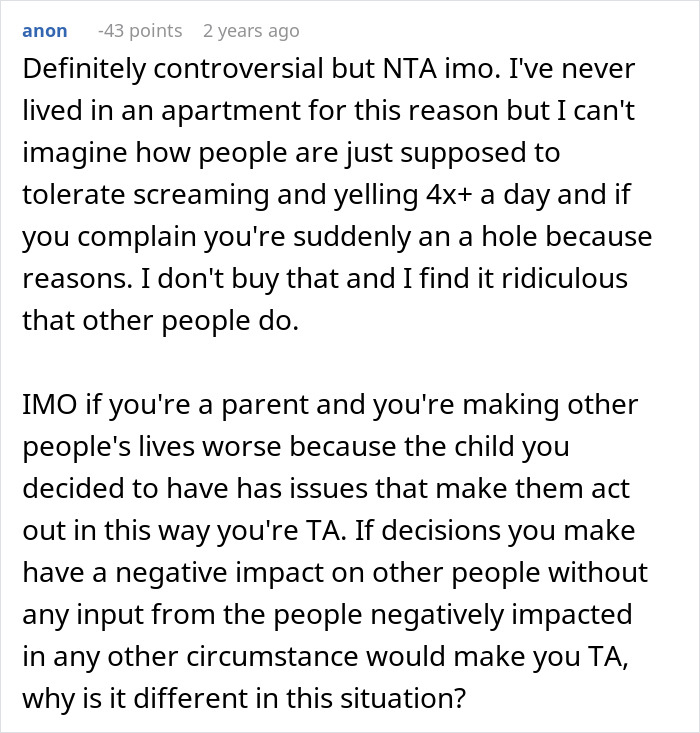
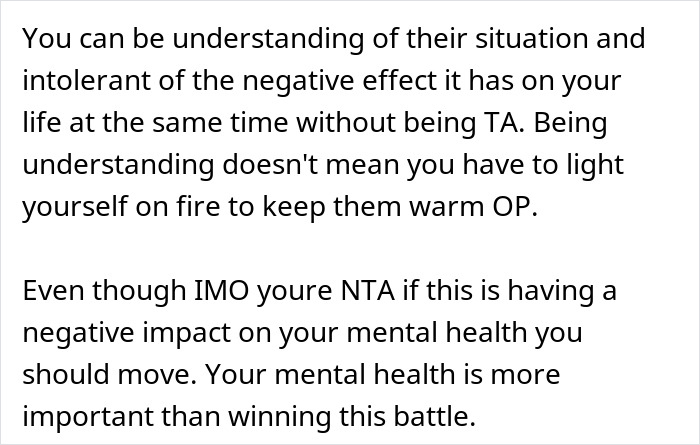
However, it sounds like neither the police nor child protective services thought her concerns were reasonable
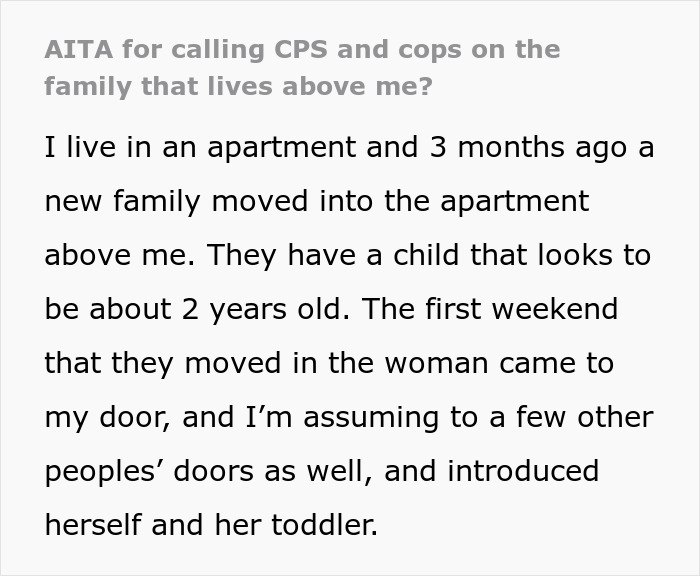


Image credits: Kindel Media / pexels (not the actual photo)
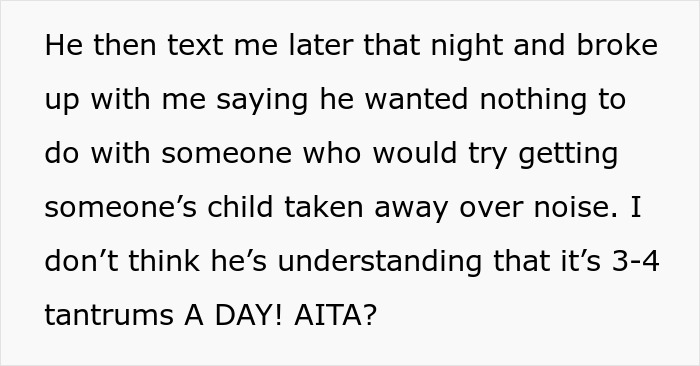
Image credits: osoimopt
Neighbors usually resolve their conflicts without involving the authorities

Image credits: Gabriel Ponton / unsplash (not the actual photo)
Research shows that when neighbor vs. neighbor conflicts arise, people:
- Discussed issues personally with their neighbor 49%;
- Called police 27%;
- Notified the neighborhood or owners association 15%;
- Sent a letter, note, or email 11%;
- Went to court 4%;
- Went to mediation 4%;
- Took another action 4%;
- Took no action 14%
While the Redditor said she did try to talk to the mother, it’s unclear how far their conversations progressed.
Sasha Philip, who practiced civil litigation before becoming a certified professional mediator and arbitrator, highlights that taking calm, measured steps to resolve conflicts with your neighbors can lead to greater understanding and harmony on the block.
And it’s amazing how effective words can be. “I’ve had neighbors who’ve contacted me and said, you know, I thought my neighbor was trying to [exterminate] my tree. And then we had a conversation in mediation, and now we can walk to each other’s houses and ask for a cup of sugar. And oh, my goodness, those are the moments that you live for as a mediator … And they happen. They happen, and it’s not that uncommon,” Philip explains.
That is also reflected in the numbers. Usually, people find common ground with their neighbors because when there’s a conflict, it:
- Is mutually settled 40%;
- Resolves itself 35% (neighbor moved, behavior stopped, etc.);
- Is solved by an outside party 11% (police, court, association, etc.);
- Remains unresolved 14%
Temper tantrums range from whining and crying to screaming, kicking, hitting, and breath-holding spells. They’re equally common among boys and girls and usually happen between the ages of 1 to 3.
The specifics depend on the child: some kids may have tantrums often, and others have them rarely.
But they’re a normal part of child development. Tantrums are common during the second year of life (when language skills are developing) because toddlers can’t always say what they want or need—and because words describing feelings are more complicated and will develop later, a frustrating experience may cause a tantrum. But, as language skills improve, tantrums tend to decrease. So, chances are, the woman behind the story has calmer days ahead.
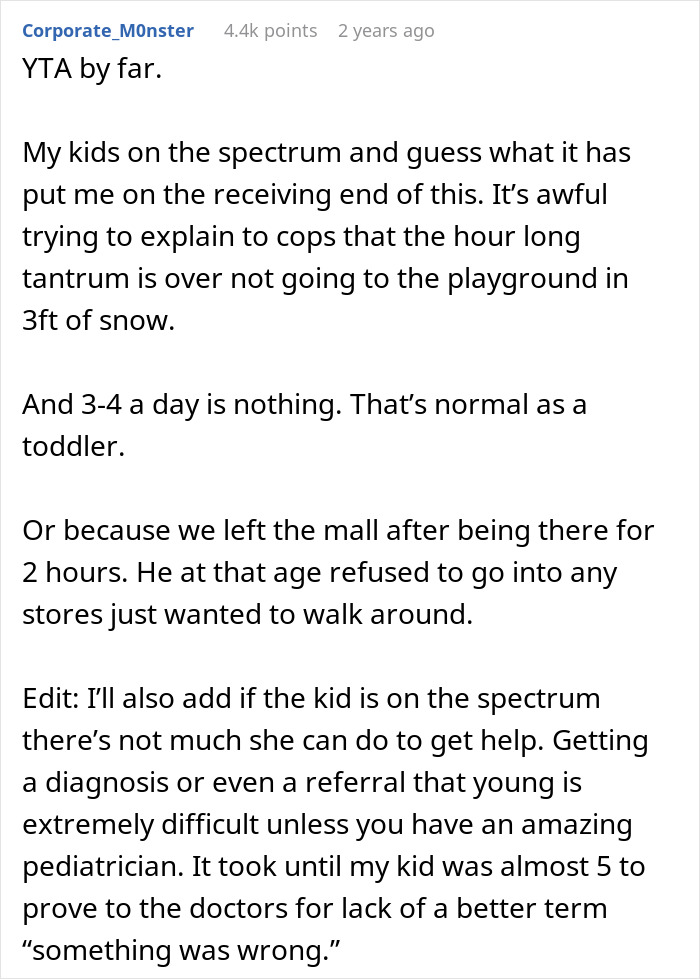
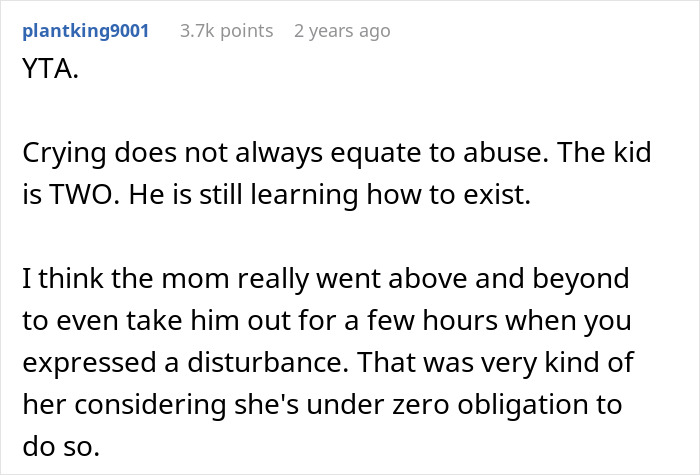
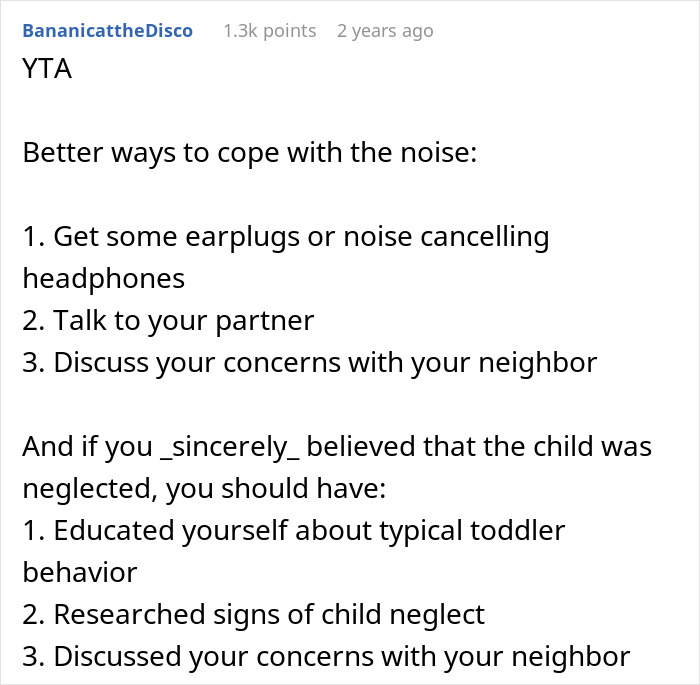
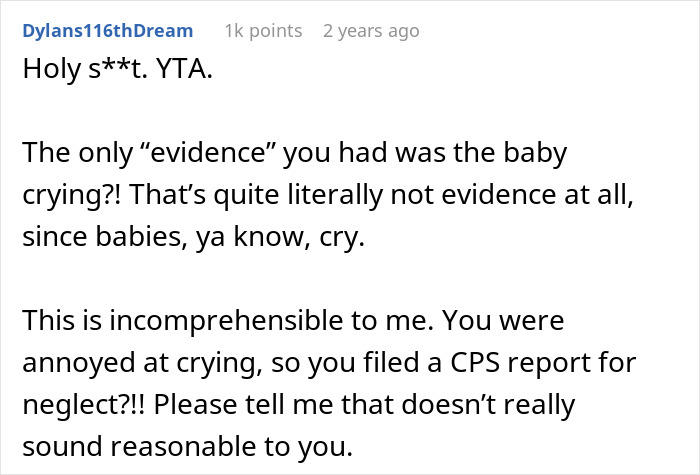
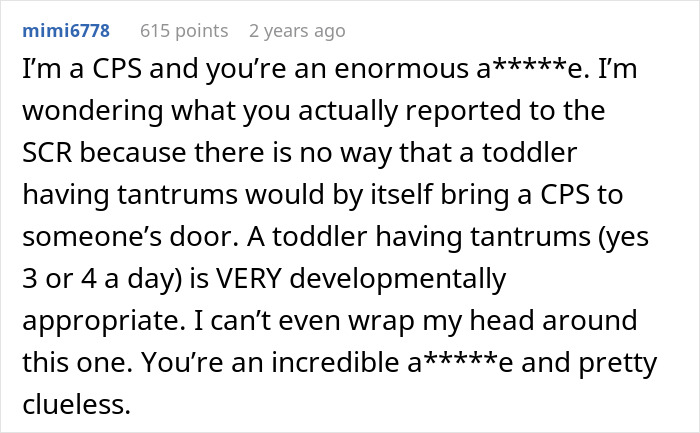
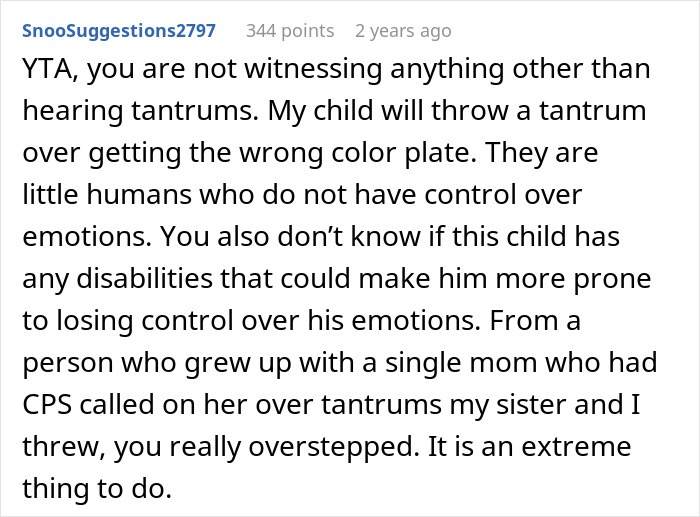
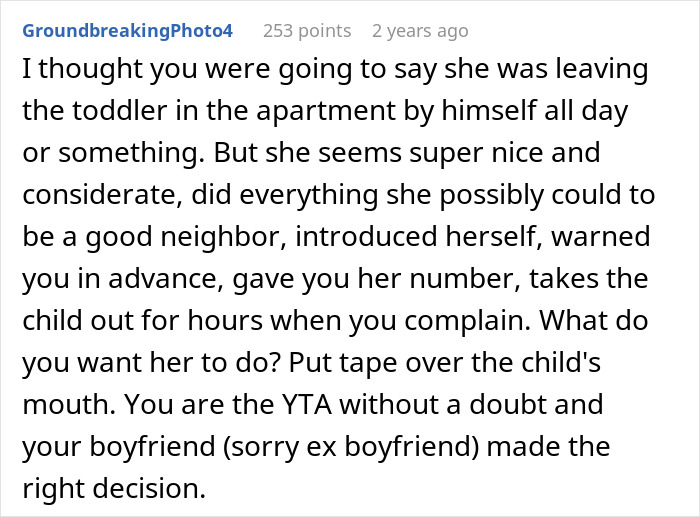
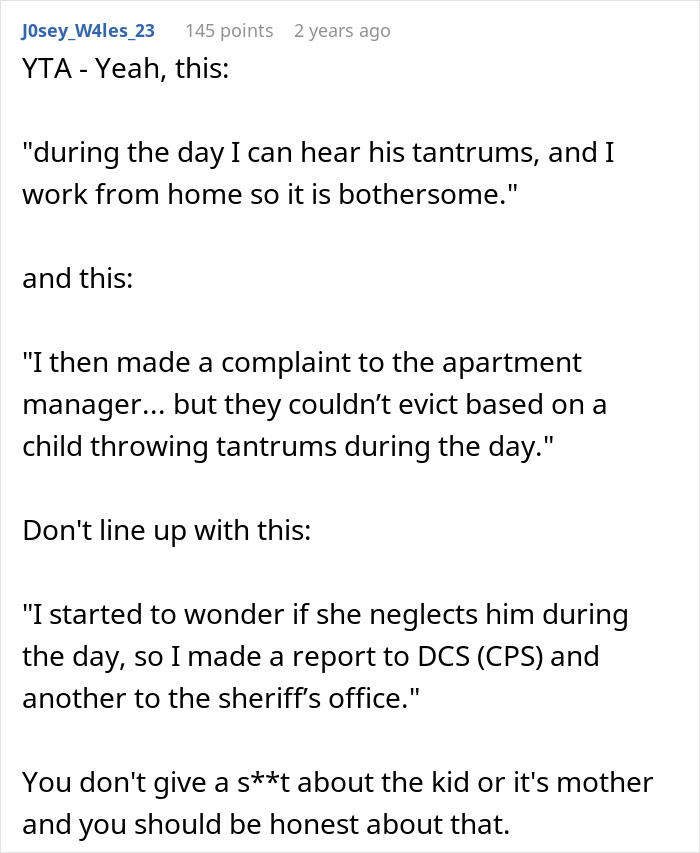
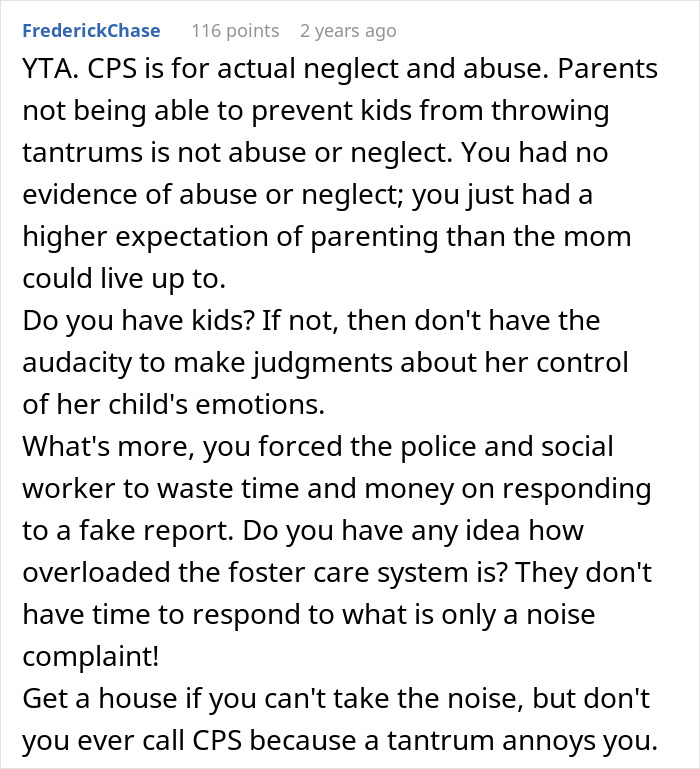
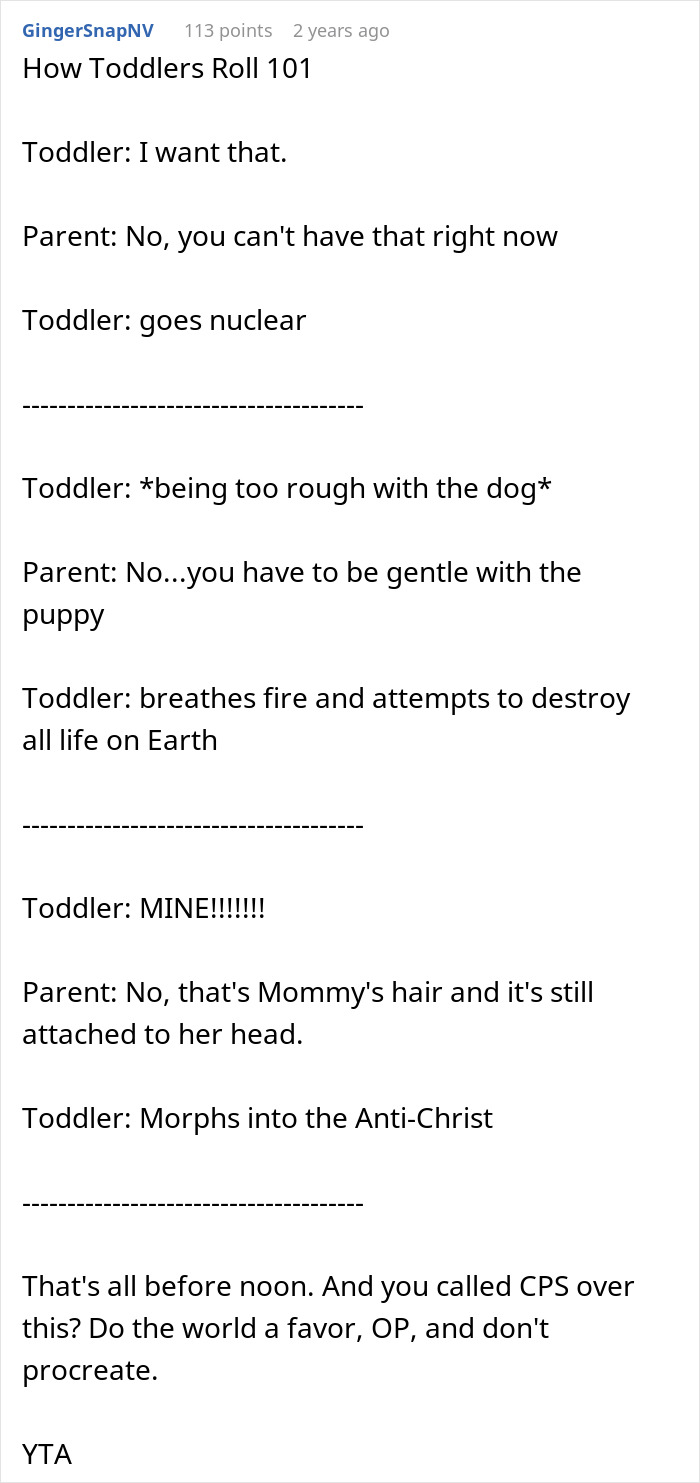
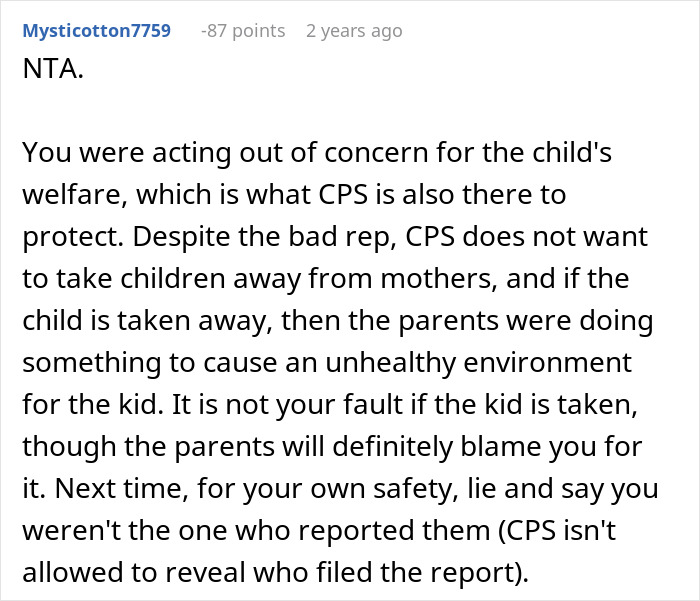
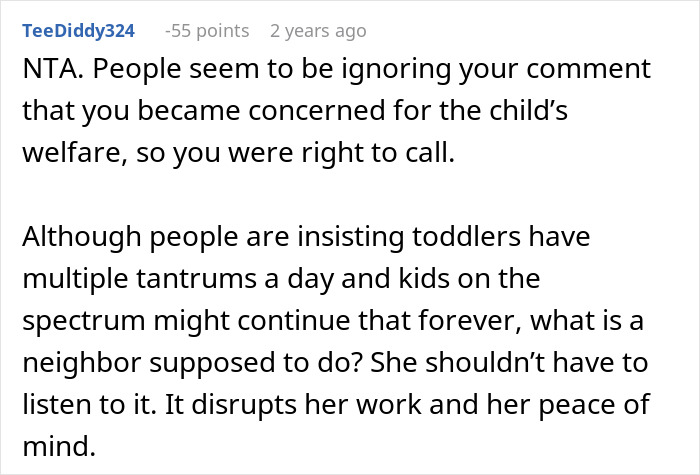
People have been saying the woman was way out of line