For years, electric motorcycles have lived in a strange little bubble. Every result came with a disclaimer. Every podium came with an asterisk. Every decent finish was followed by some variation of "pretty impressive for an electric bike."
Honda's RTL Electric trials bike might be reaching the point where that excuse doesn't work anymore.
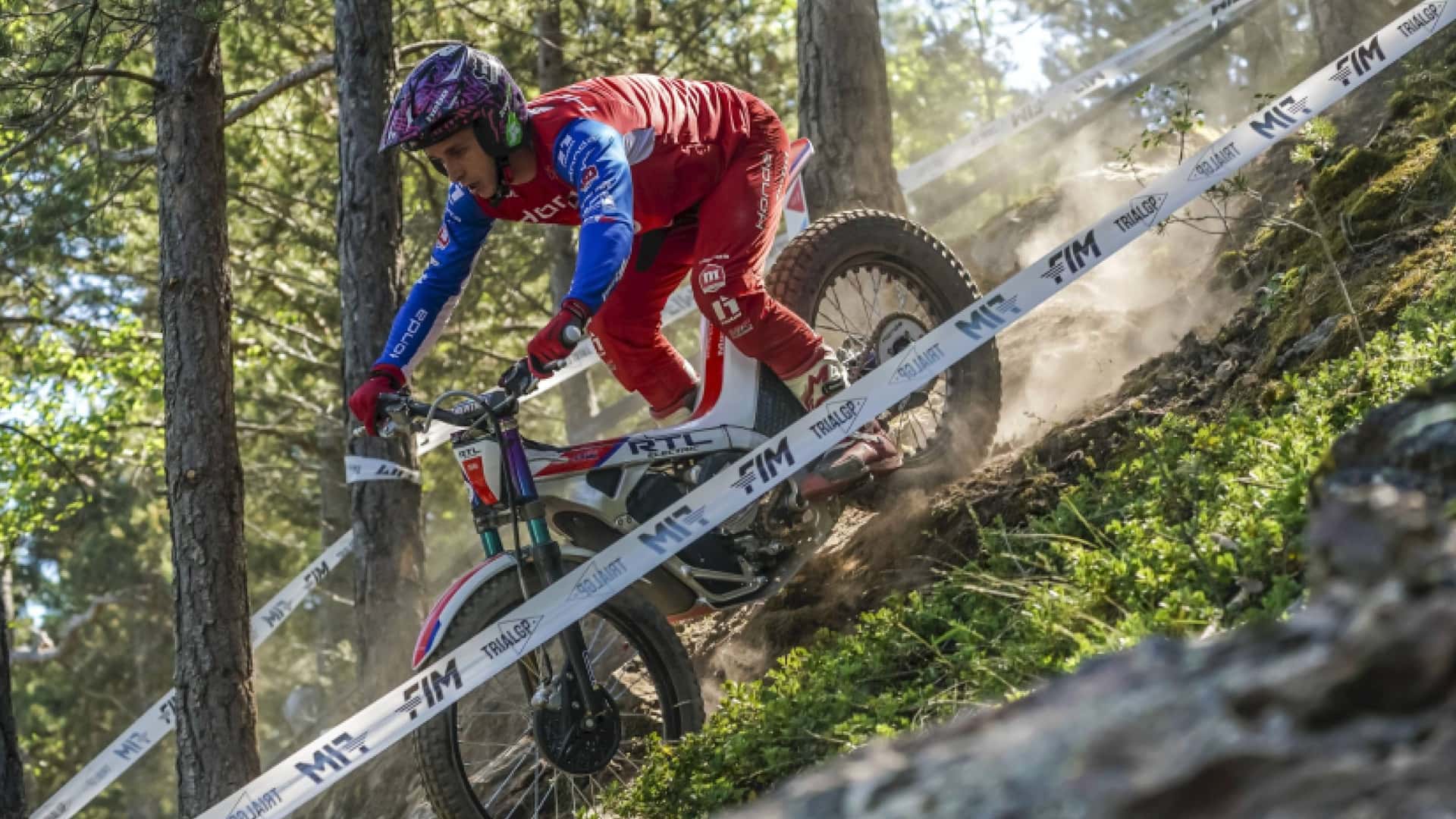
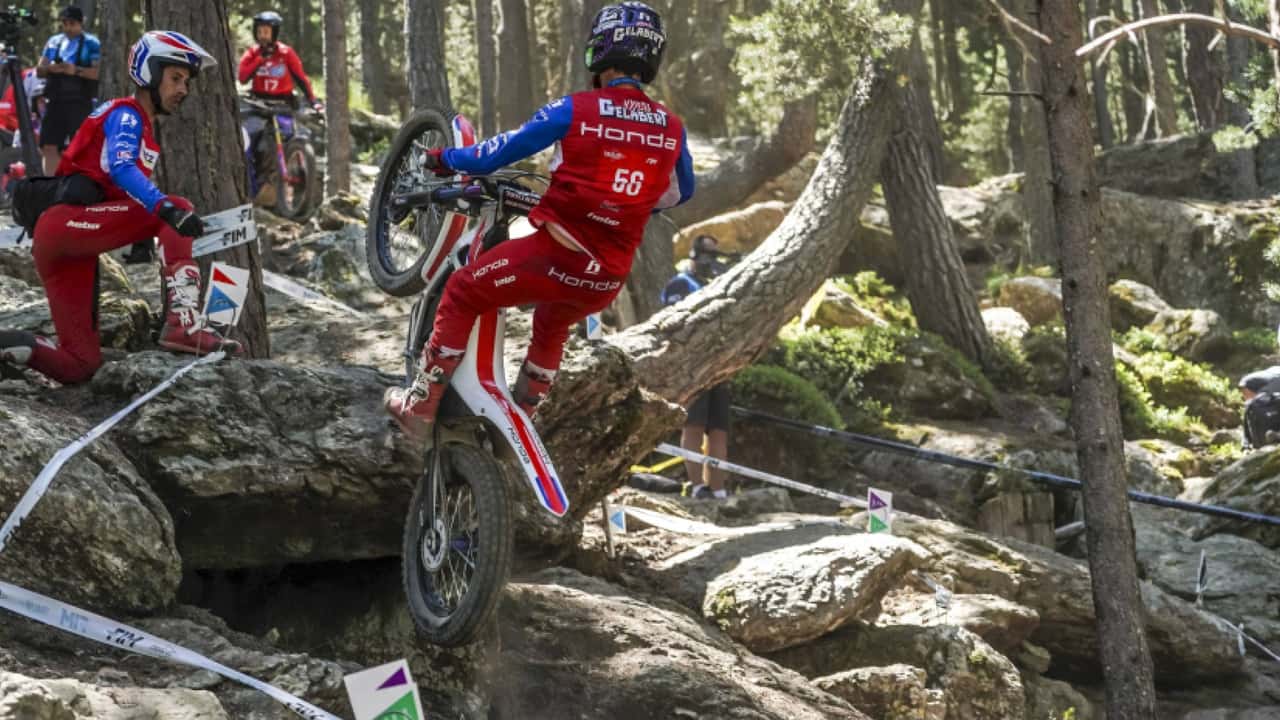
The latest proof came at the TrialGP round in Andorra, where Honda rider Miquel Gelabert spent the weekend battling some of the world's best trials riders and came away with sixth overall on Saturday and fourth overall on Sunday. On paper, those aren't headline-grabbing results. In context, they're a much bigger deal than they first appear.
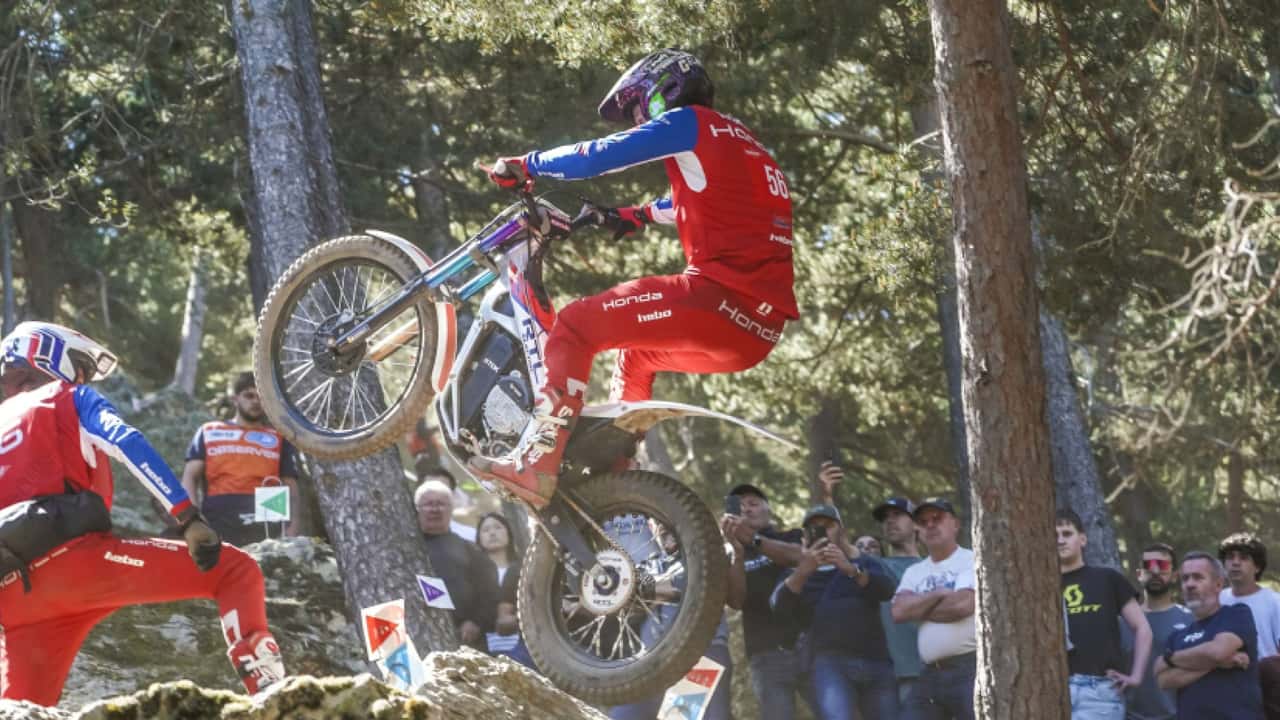
The interesting part isn't where Gelabert finished. It's why he didn't finish higher. After the opening day, Gelabert wasn't talking about battery limitations, power delivery issues, charging concerns, or any of the usual topics that tend to follow electric race bikes around. Instead, he blamed mistakes, rhythm, confidence, and section management. Team manager Carles Barneda said much the same thing.
That's a fascinating shift. Because a few years ago, the question surrounding Honda's electric trials project was whether the bike could even survive at the highest level of competition. Today, the conversation has moved on to whether the rider can avoid making enough mistakes to get onto the podium. That's a much better problem to have than a machine that doesn't let its rider unleash their potential.
The RTL Electric's path has been surprisingly aggressive. Honda started by entering domestic competition in Japan, where the bike immediately showed it had serious potential. Then came a full campaign in the Trial2 World Championship. Now it's competing in the premier TrialGP category, which is about as deep into the shark tank as you can get in the world of motorcycle trials.
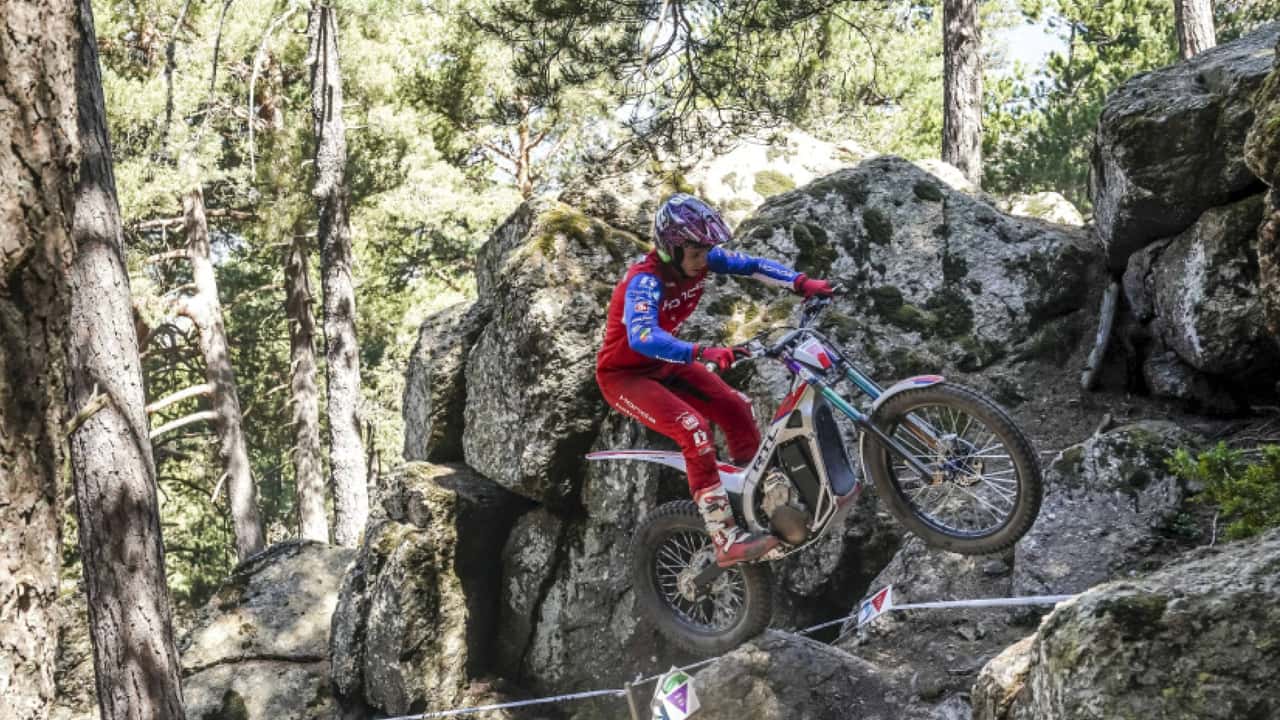
What's particularly impressive is that trials is one of the worst places to hide weaknesses.
In road racing, you can sometimes compensate for shortcomings with horsepower. In motocross, speed and aggression can cover up other issues. Trials doesn't offer those luxuries. Every section is a test of balance, traction, precision, and throttle control. Riders spend their entire day exposing flaws that most motorcycles never have to reveal.
Yet Honda's results suggest the RTL Electric has moved well beyond the stage of simply proving electric motorcycles belong in the conversation. Gelabert spent much of Sunday's competition fighting for third place and ultimately finished tied on points with the rider who took the final podium position. That's not science project stuff anymore. That's a motorcycle legit trying to win races.
There's also a certain irony here. Honda probably entered this program hoping to learn how electric technology could compete against traditional combustion-powered machines. Instead, the company may have discovered something even more valuable. The bike is gradually becoming normal.
When the biggest criticism after a race weekend is that the rider left points on the table, nobody's talking about whether electric motorcycles can compete anymore. They're talking about who should've finished on the podium. And that's probably the strongest sign yet that Honda's little experiment is working.