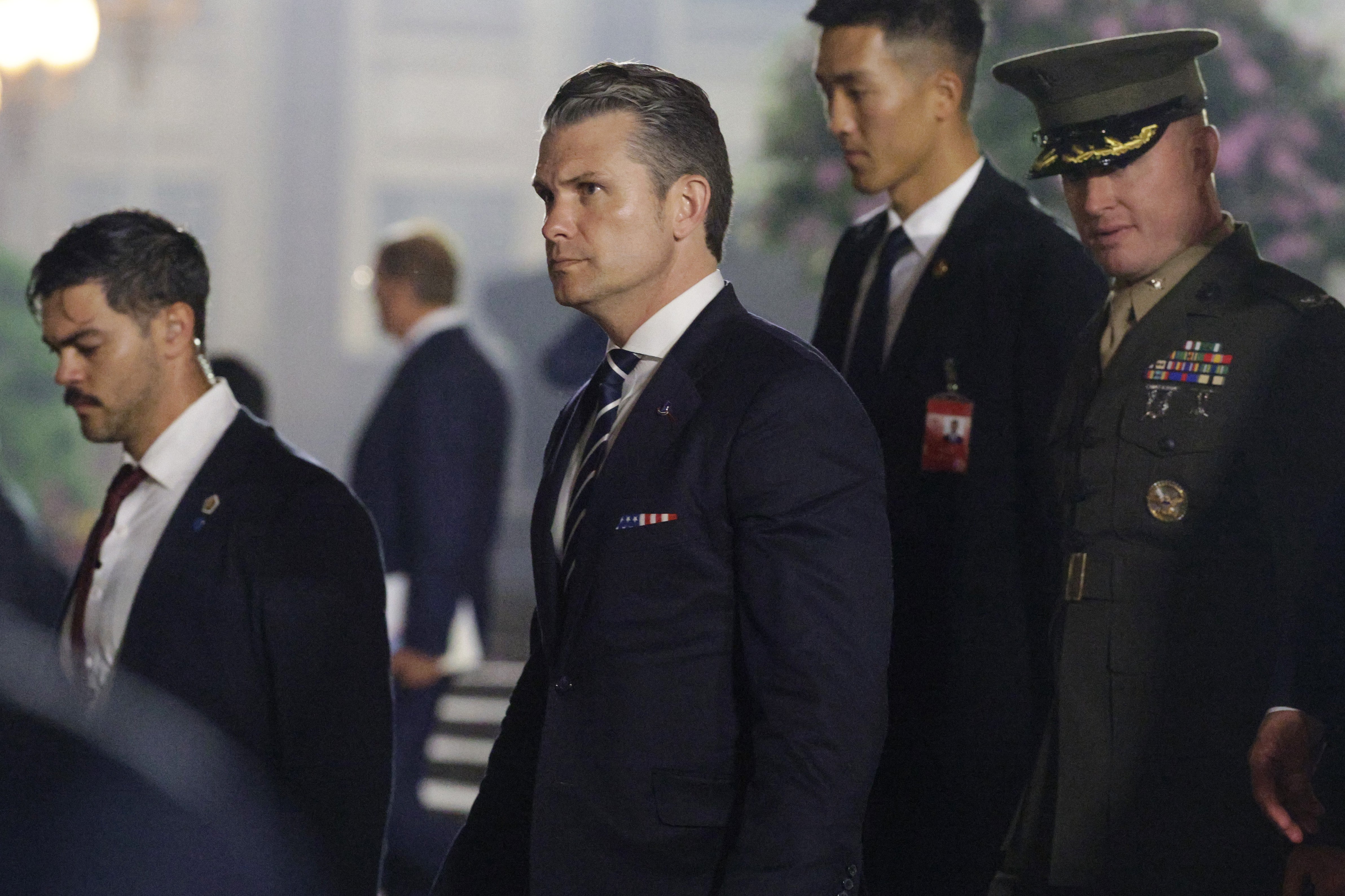
Pentagon staff were blindsided by Pete Hegseth’s sudden U-turn on sending troops to Poland this week, in the latest humiliation for European allies.
The decision would affect the temporary redeployment of some 4,000 U.S.-based troops, just two weeks after the defense department said it was pulling 5,000 troops from Germany amid a widening rift over the Iran war between president Donald Trump and Europe.
A US official told POLITICO they “had no idea it was coming”, and said they had spent the last 24 hours speaking with Europe to try to make sense of the decision and whether more surprises could follow.
Lt. Gen. Ben Hodges, a former commander of the U.S. Army in Europe, told the outlet: “The Poles certainly have never criticized President Trump, and they do all the things that good allies are supposed to do. And yet, this happens.”
No formal announcement has been made and a lawmaker said the decision has not yet been notified to Congress. The Independent approached the Pentagon for comment.
Acting Pentagon press secretary Joel Valdez told POLITICO: “The decision to withdraw troops follows a comprehensive, multilayered process that incorporates perspectives from key leaders in [U.S. military in Europe] and across the chain of command. This was not an unexpected, last-minute decision.”
One U.S. official, who spoke on condition of anonymity, suggested the Poland decision was part of a near-term solution to ultimately allow for the previously announced drawdown in Germany, which hosts 35,000 U.S. forces. That would suggest the troops that were meant to temporarily deploy to Poland might come from elsewhere.
The 4,000 troops earmarked for redeployment were based in Texas and preparing to leave on a long-planned rotation to Poland that included training with Nato allies before the decision was made.
Polish government spokesperson Adam Szlapka said on Friday that U.S. troops are operating in Poland on a continued rotational basis and said they have had no confirmation that this is changing in any way.
Last month, a leaked internal Pentagon email outlined options to punish Nato allies that Washington believes failed to support U.S. operations in the war with Iran, including suspending Spain from Nato and reviewing the U.S. position on Britain's claim to the Falkland Islands.
Alarmed by Trump's past criticism of Nato, lawmakers from both parties last year backed a provision in the National Defense Authorization Act, or NDAA, barring troop levels in Europe from falling below 76,000. Trump signed the measure into law in December.
Senator Jeanne Shaheen, a Democrat who sits on the Senate Armed Services Committee, told reporters the Poland decision appeared to be a surprise. She said: “As far as I know, we weren't notified about it.”
U.S. troops have historically served in Europe as a deterrent to Russia. Trump has accelerated the withdrawal of direct military support from the continent in a pivot towards Asia, urging Europe to manage its own affairs.
Despite differences with European partners, Trump has hailed Poland as a model ally. Polish defense spending sits well ahead of Nato targets, and Warsaw is aggressively modernising its armed forces through lucrative deals with the U.S.
Late last year, there were about 85,000 U.S. troops in Europe.
Trump warns it will be ‘tough’ for Starmer to survive as PM
Iran war live: Tehran says it has ‘no trust’ in Trump to strike peace deal
US president says he gave Xi ‘no commitment’ on Taiwan: Live
Trump blames Biden as he hits back at Xi’s dismissal of US as ‘declining nation’
Not a burger in sight: Menu for Trump’s state banquet as China rolls out red carpet