
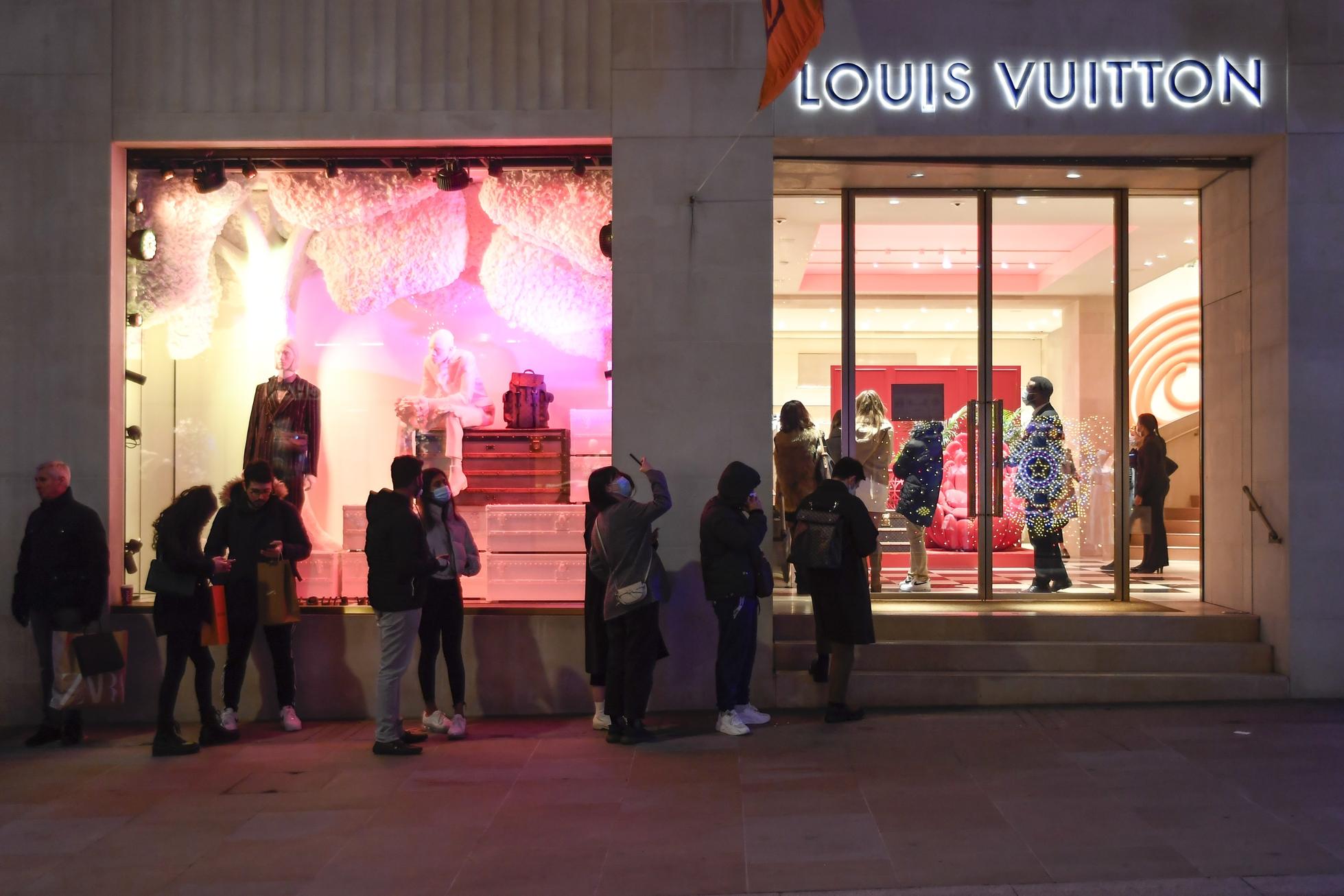
One year after the pandemic brought a halt to in-person shopping, crowds are lining up outside of Louis Vuitton stores to buy $4,000 handbags in the U.S. and abroad. If the restored hype is any indication, makers of luxury apparel are set to enjoy a lucrative year of post-Covid pent-up demand.
LVMH Moët Hennessy Louis Vuitton—the 70-brand empire including Louis Vuitton, Christian Dior and Givenchy—just hit record sales this quarter. According to the luxury giant’s most recent earnings report, its Fashion & Leather Goods division revenue surpassed $8 billion. Citigroup analyst Thomas Chauvet predicted in a research note published March 26 that LVMH sales would grow this year “in light of strong luxury data points out of China and the U.S.”
That’s just one reason why LVMH is the world’s largest apparel company for the second consecutive year on the 19th annual Forbes Global 2000 list—which uses market value, sales, profits and assets to determine the world’s largest public companies.
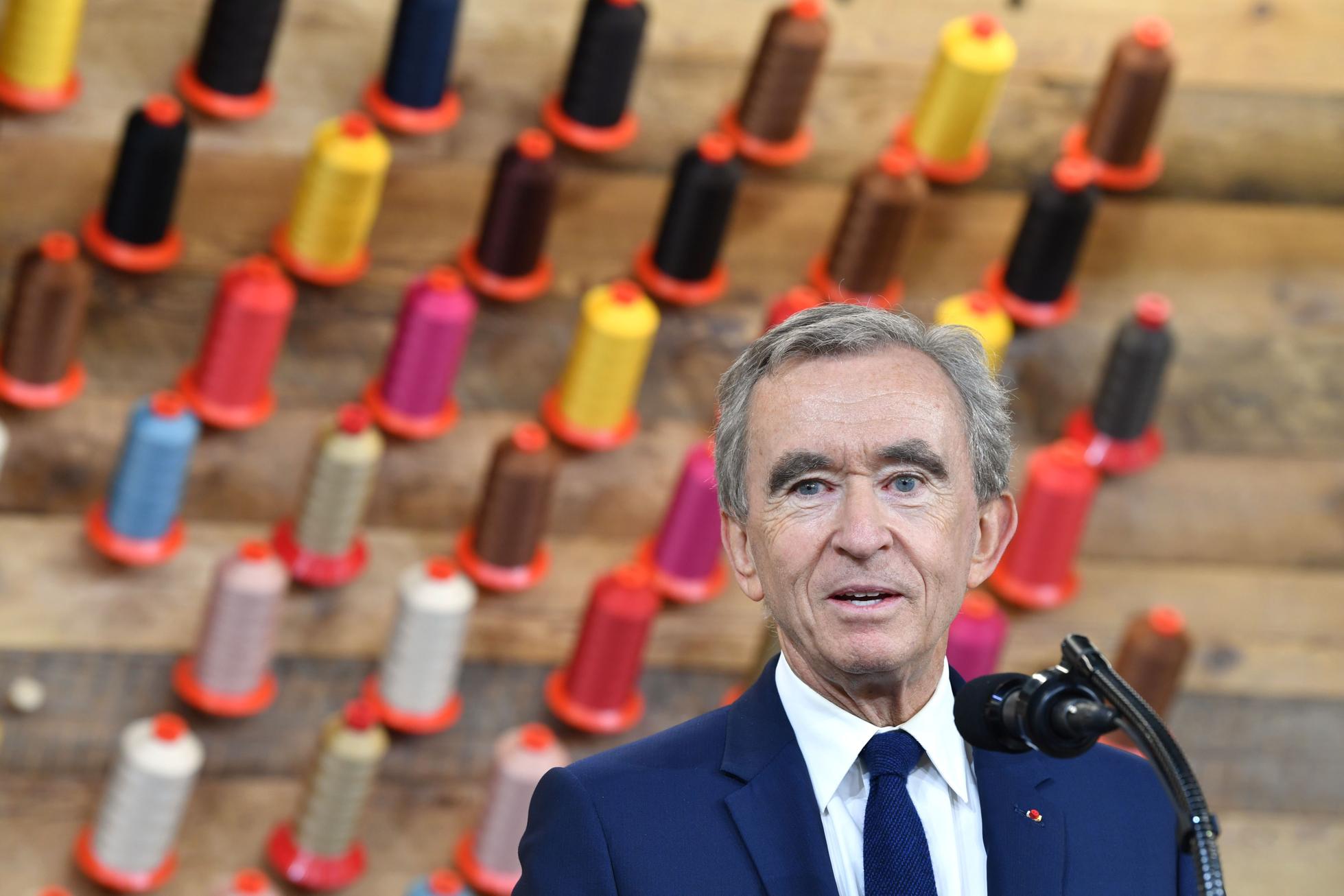
Its market value has nearly doubled from $194 billion last year to $380 billion in 2021, and its assets exceed $130 billion. Helmed by French billionaire Bernard Arnault, the third richest person in the world, LVMH climbed nine spots to become the 64th largest public company. Arnault got nearly $100 billion richer over the last year as he positioned LVMH for a strong comeback in 2021.
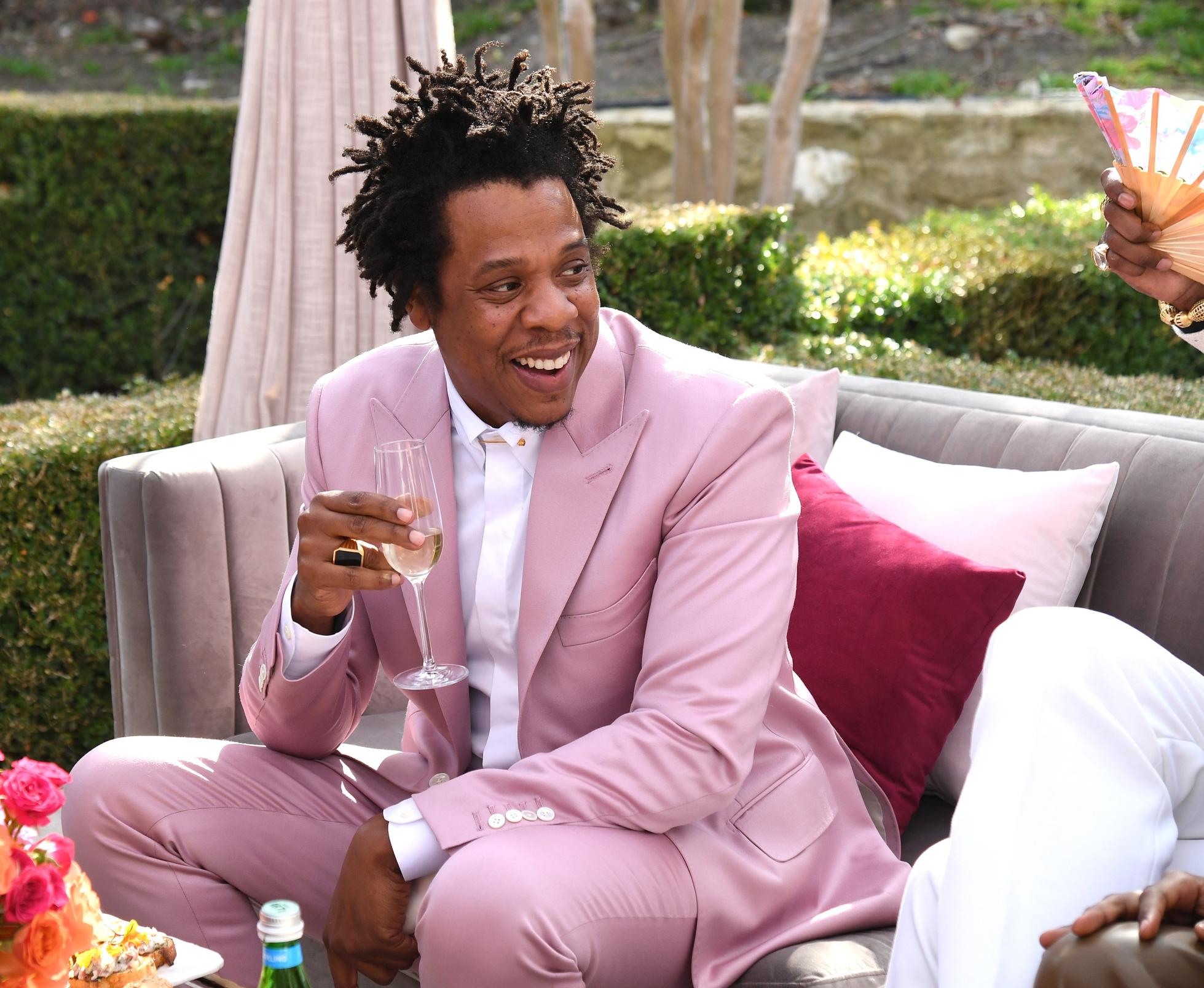
In January, LVMH closed its long-anticipated acquisition of iconic jeweler Tiffany & Co. for $15.8 billion—which is believed to be the biggest luxury brand acquisition ever—after a drawn out legal battle over LVMH’s attempt to defer the deal last fall. Known to bid competitively, LVMH struck a partnership with Jay-Z one month later in February to buy 50% of his Armand de Brignac champagne brand for about $300 million. The billionaire rapper sold 50% of the champagne business to LVMH’s Moët Hennessy with the goal of “taking the business to new heights across the world,” according to Moet’s CEO Philippe Schaus.
LVMH’s latest move: blockchain. The luxury giant announced last month that it’s teaming up with Richemont’s Cartier and Prada SpA to offer a blockchain solution that will ensure authenticity of its products—and prevent counterfeit purchases— for online customers with an encrypted certificate of guarantee.
It’s a smart step for the future. According to research led by Wells Fargo analyst Ike Boruchow that tracked 65 retailers, online sales soared 30% during Covid-19. While cybershopping is likely to decrease from 2020 levels, analysts say e-commerce will continue to rise over the next several years.
Consumer patterns are also pointing to a post-pandemic shopping surge in stores. A recent Wells Fargo survey found that 37% of respondents plan to buy new outfits for going out as more restaurants and indoor venues return to normalcy thanks to the vaccine rollout.
Sports apparel retailers had a strong showing on the Global 2000—making up about 30% of the world’s largest apparel company list. Nike, 2020’s runner-up for largest apparel company, kept its spot this year landing in a distant second place with a market value of $212 billion and $38 billion in sales. Nike ranked 205th among all public companies—a 39-spot jump from its position in 2020. Its competitor Adidas, however, fell by more than 100 spots to become 529th largest public company with $23 billion in sales. French sustainable luxury group Kering—run by Salma Hayek’s billionaire husband François-Henri Pinault—cracked the top three among apparel with almost $150 billion in sales and a $95 billion market value.
Smaller sports apparel brands also made their debuts on the Forbes Global 2000 list. British sports-fashion company JD Sports and German athletic apparel company Puma both entered as the 21st and 23rd largest apparel companies, respectively.
JD Sports almost hit $8 billion in sales after expanding its U.S. operations in December by acquiring California-based Shoe Palace, and its network of 167 stores, for $325 million. Puma surpassed $5.9 billion in sales and if its latest 25.8% quarterly increase is a sign, it's poised to move up the Global 2000 ranks.
Here’s the full list of the world’s largest apparel companies: