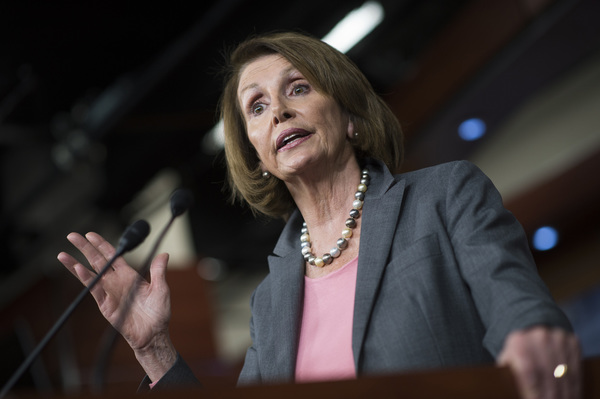
WASHINGTON _ Nancy Pelosi will remain as the House minority leader after surviving a generational challenge from younger Democrats frustrated with repeated election losses and a leadership team top-heavy with liberal senior citizens.
Pelosi, of California, kept the position on a secret 134-63 vote on Wednesday morning, defeating an underdog challenge from 43-year-old Rep. Tim Ryan of Ohio.
It was the most serious leadership challenge the 76-year-old Pelosi has faced during the 14 years she's led the House Democrats as they have moved from the minority into the majority and then back into the minority. And though it failed on its face, Ryan's long-shot and somewhat last-minute campaign prompted some leadership changes that could have ripple effects for years.
Under pressure from Ryan's insurgency, Pelosi has proposed tailoring some Democratic leadership and senior committee slots specifically for younger House members. The moves create openings for aspirants who are preparing for the eventual post-Pelosi era, and will also help shape how House Democrats resist President-elect Donald Trump's agenda.
In a sign of the various, and occasionally competing, constituencies the party leader must mollify, Pelosi had also put forth but then shelved a proposal that would have set the party's assistant leader position aside for a member who has served fewer than three terms, once 76-year-old James Clyburn of South Carolina has left the post.
Clyburn is the lone member of the Congressional Black Caucus on the top leadership team, and at least one African-American member of Congress worried Pelosi's proposal would keep older black lawmakers from the position.
The other key member of the current House Democratic leadership team, Minority Whip Steny Hoyer of Maryland, is 77. Pelosi's 2002 victory over Hoyer in an earlier whip race launched her on the leadership career that eventually made her the first female House speaker, the U.S. government position second in line to the presidency, after the vice president.
Both Hoyer and Clyburn were also re-elected.
"It is time our leadership recognized that every member of our caucus must play a role," Ryan said this month when he unveiled his own set of proposals for party reform.
Pelosi previously defeated a revolt in 2010 from then-Rep. Heath Shuler, a conservative Democrat from North Carolina, after the Democrats lost 63 seats and the House majority in that year's midterm elections.
Pelosi hasn't been publicly challenged since, even as disappointing elections continued for House Democrats.
Pelosi had hoped to pick up 20 House seats this year and reported bringing in $35 million for Democratic candidates and committees in the third quarter of 2016. Her energetic fundraising and ceaseless campaign travels have endeared her to a number of colleagues, muting complaints about some of her leadership decisions.
This year, though, an anticipated anti-Donald Trump backlash failed to materialize, and the Democrats gained just six seats. The Democratic leadership vote was supposed to be held two weeks ago but was postponed amid grumbling from some members about the need for further reflection on the election results.
"I think the level of frustration in our caucus is as great as I've ever seen it," Ryan said Sunday on NBC's "Meet the Press." "Because now we're not even a national party. We're a coastal party."