New Delhi: Restoration of peace in the West Asian region is expected to revive the order books of Indian exporters and reduce input costs, as the US-Iran war has severely disrupted the movement of consignments, exporters' body FIEO said on Thursday.
The Federation of Indian Export Organisations (FIEO) said that the conflict in West Asia suppressed India's trade volume, with exports to the Middle East suffering a sharp decline during the peak of the disruptions.
Core sectors bore the brunt of the regional instability, it said.
"With the cessation of hostilities and the broader economic integration of the region, we anticipate an immediate and robust revival in order books," said FIEO President SC Ralhan.
A stable West Asia unlocks pent-up consumer and industrial demand, paving the way for Indian exporters to scale up their presence and accelerate shipment trajectories over the next few fiscal quarters, he said.
As a nation dependent on imports for over 85 per cent of its crude oil requirements, global energy prices dictate our domestic manufacturing cost structures, Ralhan added.
The threat to regional supply chains previously drove Brent crude to elevated levels, spiking India's wholesale inflation.
Following the US-Iran MoU, Brent crude has corrected sharply towards the USD 78 per barrel range, he said, adding this cooling of the geopolitical risk premium directly lowers the import bill, reduces fuel-led inflation, and dramatically softens input costs for heavily crude-dependent export sectors like plastics, paints, textiles and chemicals, improving our global competitiveness.
He also observed that the currency market has responded with immediate optimism to the easing of the energy bottleneck. "The reduction in dollar demand from oil refiners, combined with robust foreign capital inflows, has given the Indian Rupee a firm footing, strengthening it significantly down toward 94-94.50 against the US Dollar," the President said.
For exporters, a stable and predictable currency ensures safer hedging, protects margins and eliminates the volatility that historically plagued long-term trade contracts.
Reduced pressure on the Current Account Deficit (CAD) gives the overall economy strong fiscal manoeuvring room, he said.
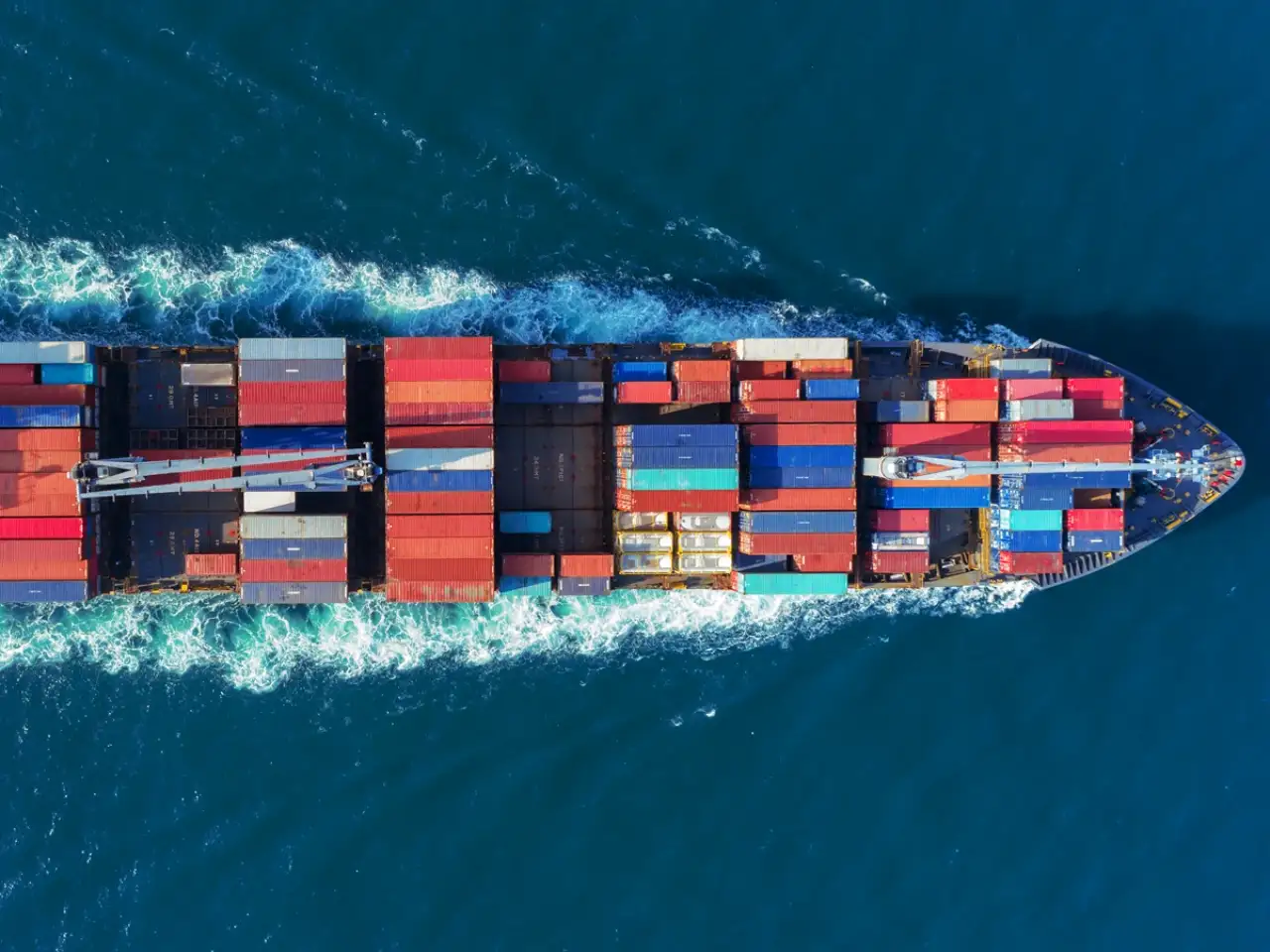
On the logistics front, he said, the immediate reopening of the Strait of Hormuz, through which roughly half of India's crude imports and a vast chunk of container traffic passes, is the single most significant relief for global supply chains.
The lifting of the US naval blockade and the restoration of normal traffic eliminate long maritime detours, making India's exports to the EU, the US and West Africa much more competitive.
Ships carrying consignments from India are taking the longer route around the Cape of Good Hope, encircling the African continent to avoid the region's turbulent waters, resulting in delays in the delivery of goods. It has also pushed freight and insurance premiums, according to Ralhan.
"Exporters were previously crushed by exorbitant freight fees and prohibitive war-risk insurance premiums. Normalisation will slash these overheads, ensuring smoother, faster and remarkably cheaper transit times to West Asia and European destinations," Ralhan said.