Hotels and airlines remain cautious about the potential end of the Middle East conflict as the positive impact could be delayed due to a steep slowdown in purchasing power, particularly among domestic tourists, during this low season.

Nuntaporn Komonsittivate, head of commercial at Thai Lion Air, said the average load factor for June and July has fallen year-on-year, as travellers are exercising greater caution with their spending in the off-peak season after shelling out for holidays in April and early May.
Even though a brighter outlook is expected if the US and Iran sign a ceasefire on Friday, Mrs Nuntaporn said fuel prices will not immediately return to pre-war levels, unlike crude oil prices, which have fallen to nearly the same level as before the war.
Most airlines have to wait until a deal is signed and transport routes are fully restored before adjusting their plans, such as increasing flight capacity and resuming some suspended routes, she noted.
Thai Lion Air has reduced seat capacity by 15% since the war in the Gulf erupted and needs to assess how lower fuel prices could affect airfares from next month, said Mrs Nuntaporn.
La-iad Bungsrithong, a board advisor for the Thai Hotels Association, said the low season in 2026 is the weakest in years, with the average occupancy rate in Chiang Mai only 40-45%, while some locations are recording rates as low as 35%.
The situation differs from previous years as hotels across all segments, including five-star properties that usually perform strongly, are experiencing a decline in bookings, she noted.
Three- and four-star hotels are hampered by weaker domestic purchasing power in both the leisure and meetings segments, as individuals and companies are prioritising spending on essential needs rather than tourism, said Mrs La-iad.
Luxury hotels are hamstrung by fewer international visitors, particularly from Europe and the US, as soaring jet fuel prices have discouraged demand from those markets.
She said that even though a peace deal is expected on Friday, travellers are likely to adopt a wait-and-see approach until the situation is fully settled.
The first indicator that hotel operators are monitoring is bookings for July and August, which typically increase due to demand from families during school holidays, as well as long-stay guests such as pensioners and digital nomads.
"The cost-of-living relief measures, such as the co-payment scheme, are unable to extend benefits to the tourism sector. They primarily help households absorb essential daily expenses rather than leaving them with additional budgets for travel," said Mrs La-iad.
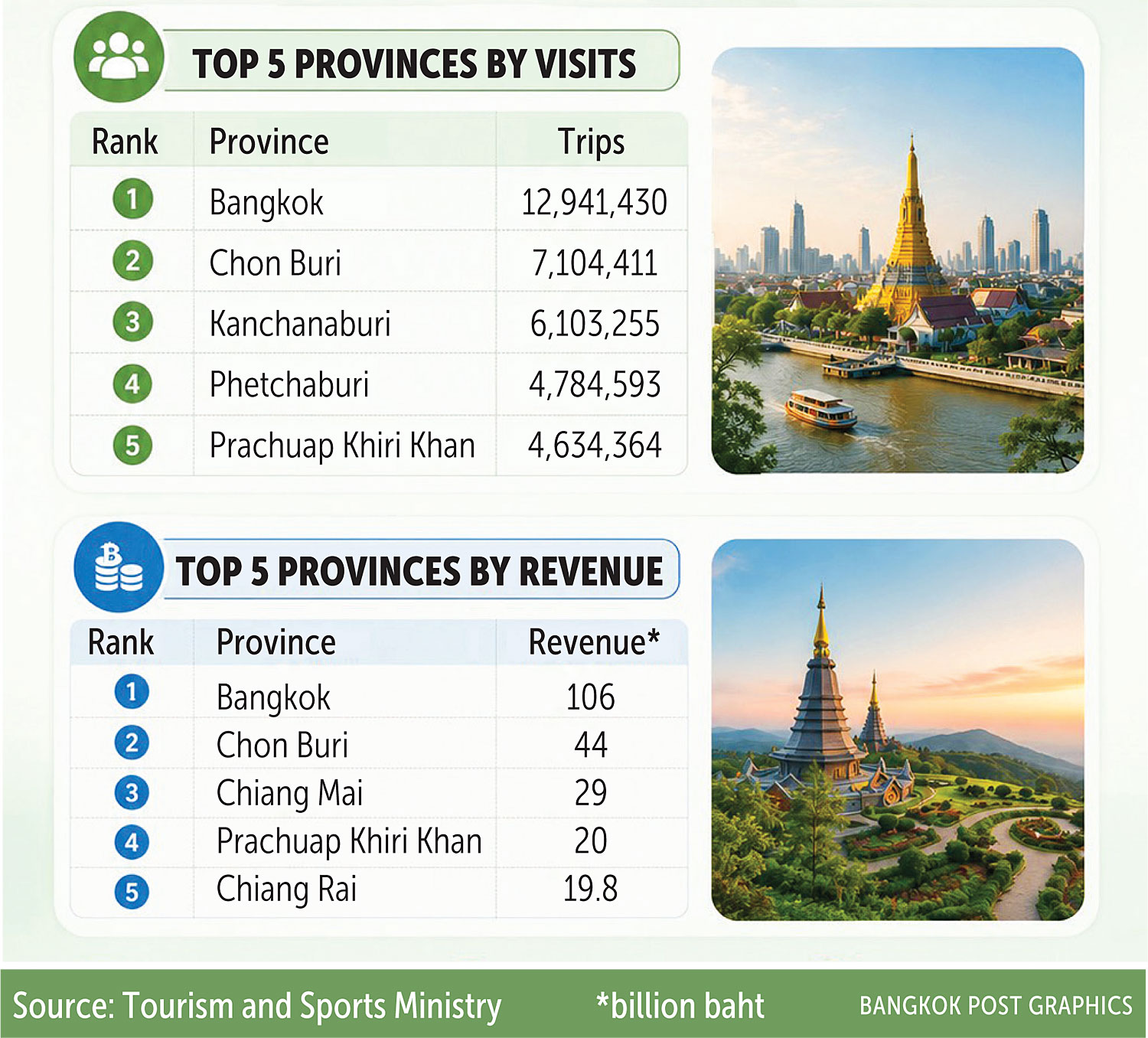
As of May 31, the number of domestic trips rose year-on-year by 1.77% to 86.7 million, with Bangkok, Chon Buri and Kanchanaburi seeing most visits.