Known as 'the salmon sperm facial,' Polynucleotides have undeniably been one of the most popular aesthetic treatments in recent years. Beloved for their ability to refresh skin by boosting collagen and elastin levels, deeply hydrate and reduce inflammation, this regenerative treatment is a sign of the times: we no longer want obvious injectables, but subtle changes that prioritise longevity.
And with this surge in aesthetics came PDRN, a topical 'alternative' also made from salmon sperm and hailing from South Korea. Popularised by skincare formulas like Anua's PDRN Hyaluronic Acid, this ingredient became the ideal complementary step to polynucleotide appointments.
So, perhaps we shouldn't be surprised that it started to pop up in other categories across beauty: namely, bodycare (think, the Heveblue Salmon Fruity Centella Body Cream) and now, haircare. So what can PDRN actually do for the hair, and how can you buy into the trend from the UK? Here's what you need to know.
What does PDRN do?
PDRN, which stands for Polydeoxyribonucleotide, has been dubbed the topical 'alternative' to polynucleotide applications. It's worth pointing out from the off that few-to-no skincare ingredients are able to offer the same kind of results as injectables – but PDRN (also derived from salmon sperm fragments) might be a strong contender, and does have some impressive benefits.
For one, it deeply hydrates the skin and aids in damaged skin barriers. PDRN works to boost elastin and collagen production and reduces inflammation. The result is usually fresher-looking, healthier skin all around.
But how does this translate to hair? The idea is that the ingredient is so brilliant for the face, it works wonders on the scalp, which, simply put, is also just skin. The healthier our scalp is, the better we experience growth and stronger strands generally, meaning an ingredient that can repair broken barriers, target inflammation and hydrate deeply is bound to have benefits when applied here too. In short, it's thought that scalps which may feel dry, itchy or irritated could benefit from a little PDRN.
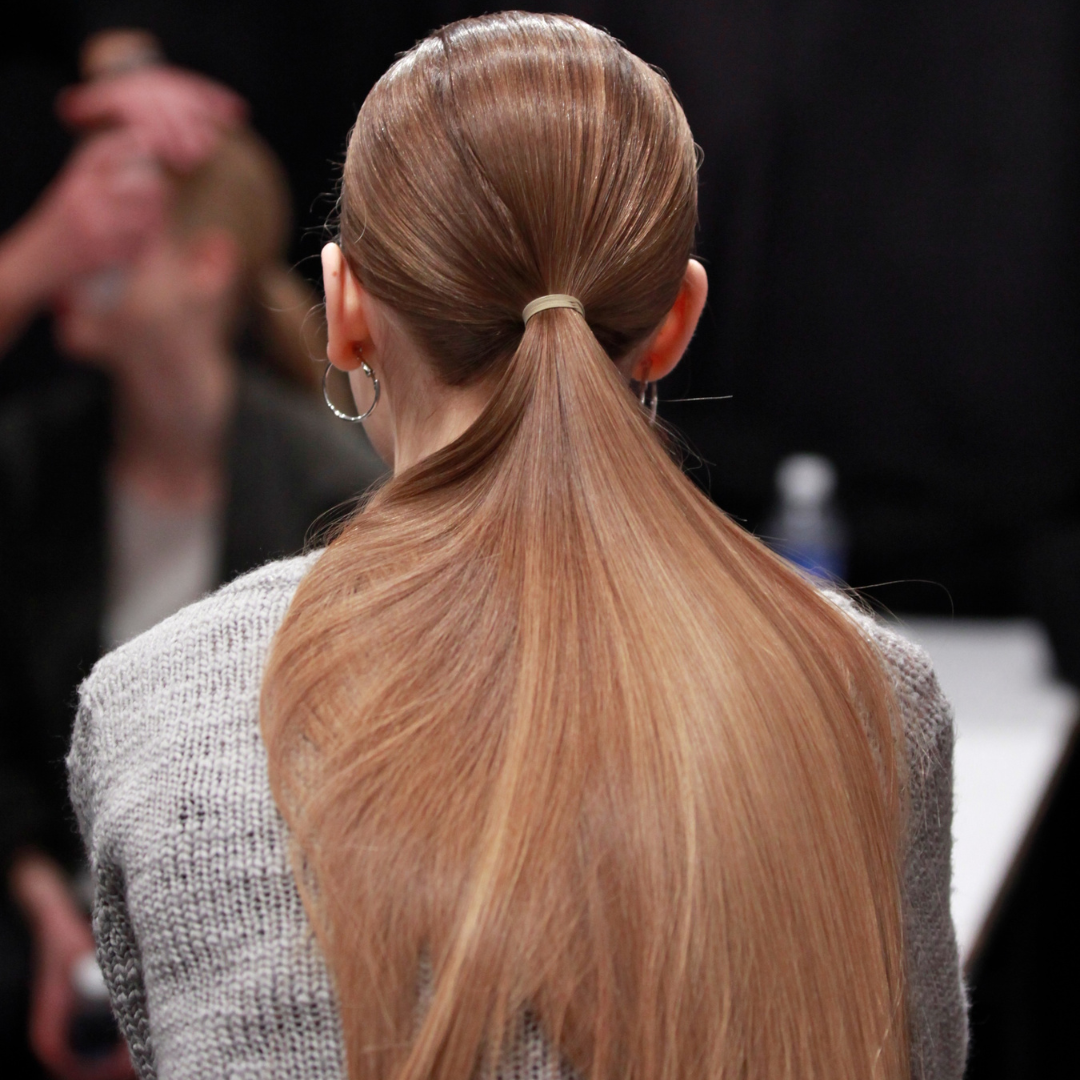
Then there's the 'glass hair' claim. PDRN skincare formulas like Anua's are celebrated for their ability to promote the desirable 'glass skin' aesthetic, so the thinking is that this will also apply to hair. After all, hair that's deeply hydrated and grows from a healthy scalp is more likely to be super shiny and 'swishy'!
Is PDRN haircare effective?
The most notable recent foray into PDRN haircare is Medicube's Rosemary PDRN range, which includes a shampoo, conditioner, and scalp serum. When used alongside 19 amino acids and rosemary (an ingredient thought to aid in hair growth), PDRN works in these formulas to cleanse, hydrate, strengthen and create 'fuller-looking' hair.
VT Cosmetics – the brand best known for its 'Reedle' skincare products (made with tiny microneedles)—also offers a PDRN 'hair shot' designed to clean and strengthen the scalp.
Aesthetic Doctor at Taktouk Clinic and K-beauty expert Dr Christine Hall comments that she's noticed an influx of PDRN haircare, such as the aforementioned formulas by Medicube and VT. She says their popularity has grown as mainstream knowledge has increased that "the scalp is an extension of our skin." These days, we prioritise anything that can support our scalp health (and, by extension, our hair health/appearance). "PDRN, like in the skin, is about barrier repair, anti-inflammation and restoration," she explains, noting that "inflammatory conditions and scalp conditions often lead to hair loss," hence why we're trying out these products.
However, the results aren't yet really proven. According to Anabel Kingsley, Consultant Trichologist and Brand President at Philip Kingsley, instead of jumping head-first into the PDRN haircare trend, now may be the time to "watch and wait."
"To my knowledge, there have been very few studies on the benefits of injecting PDRN into the scalp for hair growth [such as this one, which featured PDRN injections] – and none regarding purely topical application," she explains. "PDRN has only been tested on pattern hair loss and not on other types of hair loss, such as telogen effluvium (excessive daily hair shedding)."
For this reason (and because "female pattern hair loss is progressive"), she says if you're going to try a PDRN hair serum specifically for growth, "use it alongside a more established and well-studied treatment, like minoxidil." She also advises being careful with products that use spicules like VT's, as "the data on them is limited, and they have the potential to cause irritation and disrupt the scalp barrier."
That said, using something like the Medicube range can't hurt, and may even help you achieve the glass-like locks of your dreams!
How can you buy PDRN hair products?
Kingsley's advice to "watch and wait" may be your only option right now; the UK is still waiting to gain access to products like Medicube's and VT Cosmetics.
That said, given how quickly things move in beauty, there's little doubt this will change any day now. So if you've got your heart set on trying PDRN for hair, you hopefully won't have to wait long! And in the meantime, why not give these trending K-beauty bodycare buys a go?