
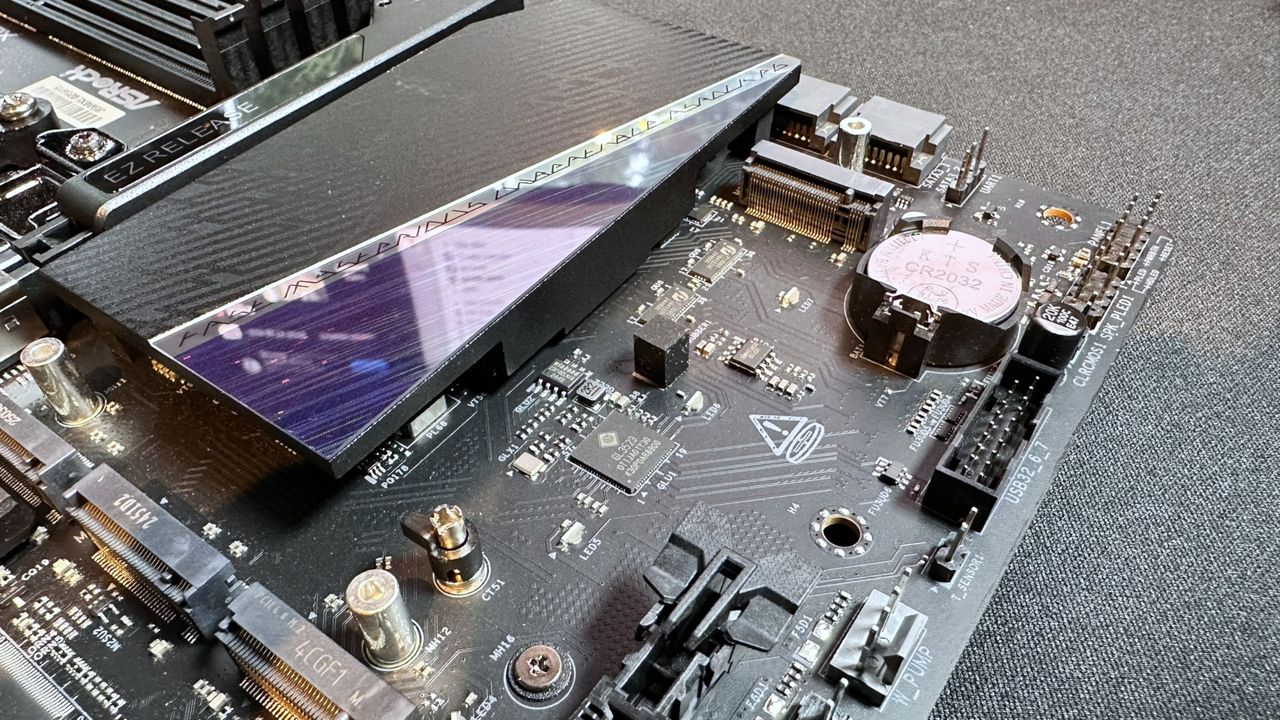
According to "industry sources and executives" known to Reuters, the war in Iran is affecting the supply of materials that are crucial for Printed Circuit Boards (PCBs), which has made them shoot up in price. Reuters says that, cccording to Goldman Sachs, PCB prices in April shot up by as much as 40% since March.
According to the news agency, "Iran struck Saudi Arabia's Jubail petrochemical complex in early April, forcing a halt in production of high-purity polyphenylene ether (PPE) resin—a critical base material used to manufacture PCB laminates."
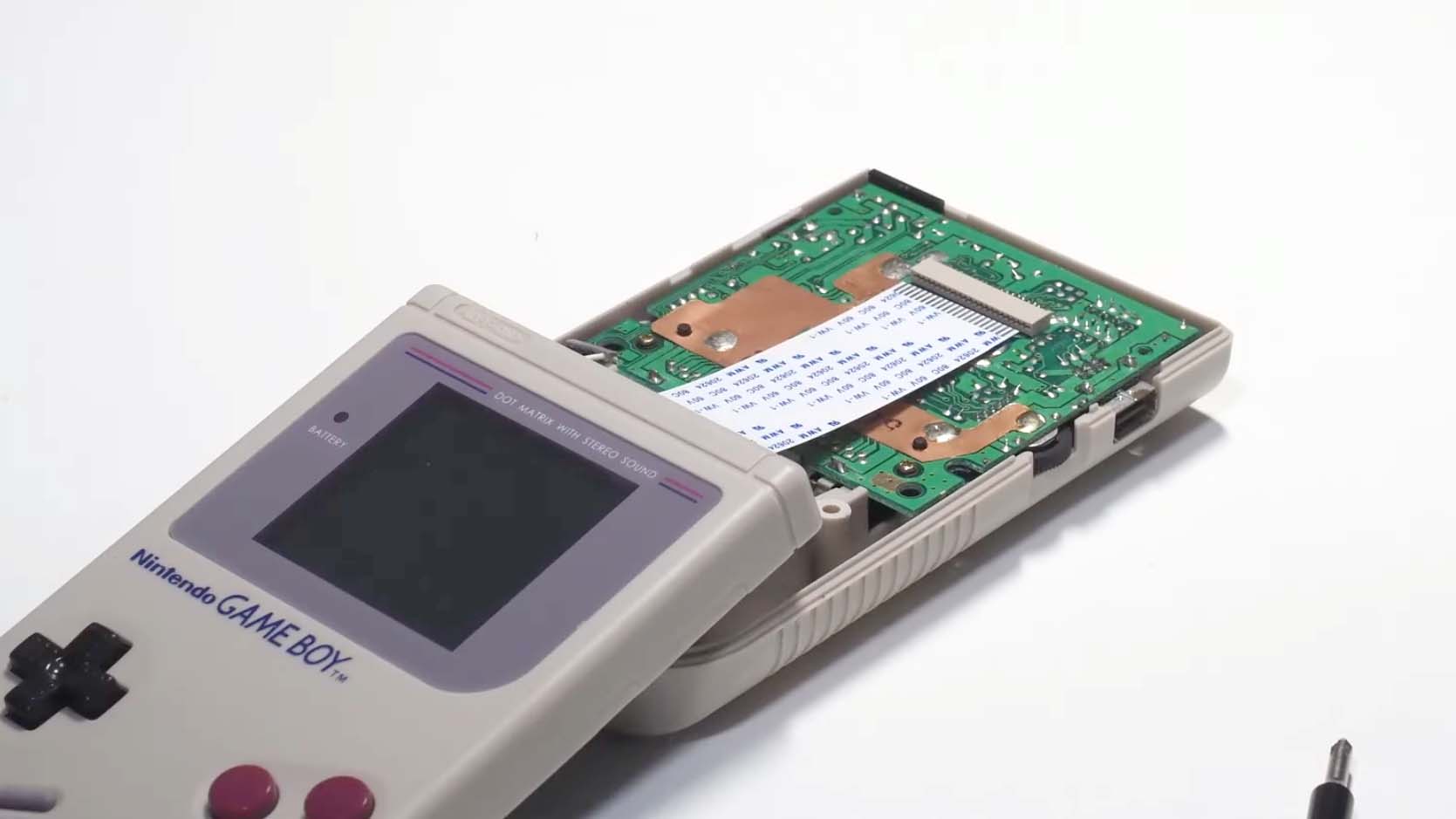
PCBs are used in pretty much every computer system, from gaming PCs to gaming mice, as they are the the circuit boards that connect all different processors, I/O devices, and other components.
Reuters explains: "SABIC, which accounts for approximately 70% of the world's high-purity PPE supply and operates in the Jubail complex on the Gulf coast, has been unable to resume output, severely tightening the availability of the material worldwide, according to one source. Shipping in and out of the Gulf has also been severely disrupted by the war."
PCB prices had already been climbing before the war in Iran, thanks to the insatiable appetite of AI server companies. We've certainly witnessed the effects of this appetite across the board for PC components, with the main effects being on memory but other components feeling it, too, even CPUs.
According to Reuters, an executive for South Korean PCB maker Daeduck Electronics says waiting times for materials such as epoxy resin have increased fivefold, from three weeks to 15.
In addition to specific production facilities being hit, the effects of the US-Israel war on Iran on electronics are in part down to blockades on the Strait of Hormuz, an area where lots of oil and other materials pass through that is vital for the global supply chain.
It might not just be resin supplies that the Iran war affects, either, regarding things that could affect component stock and prices. For instance, solvents used for photolithography might be in short supply for Japanese customers such as SK Hynix and Samsung, slowing down semiconductor production, according to The Elec Korea's industry sources.
Other factors are also involved in strains on the PCB supply chain, such as rising copper foil prices which have been notable since the start of the year.
Over the past few months, we've seen not only RAM kits but also SSDs, PCs, laptops, handhelds, CPUs, and other PC gaming components rise in price. Unfortunately, it looks like these poor market conditions might be far from over.