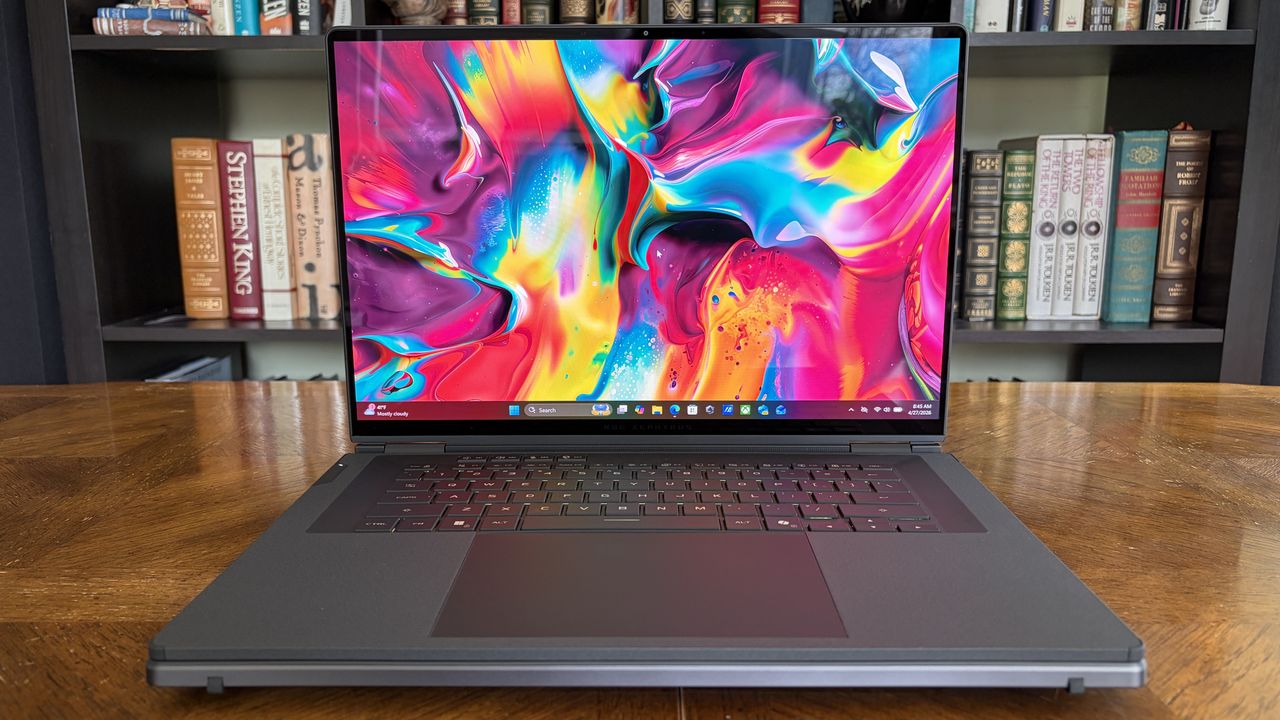
PC shipments have been down this year, and it looks like the market will drop even more over the coming months. IDC predicts that global PC shipments will decline 11.3 percent for the full year with things getting progressively worse. IDC's analysts expect shipments in Q4 to be down 20 percent year-over-year.
The ongoing memory shortage is the biggest factor affecting PC shipments, according to IDC, though the market is complex. RAM shortages have driven up PC prices, such as flagship Surface PCs now costing $500 more than they did at launch.
The global memory shortage is due in large part to AI. IDC indicates that AI datacenters will use 70% of all high-end DRAM production this year. Larger brands are somewhat insulated from the effects of the shortage, such as Apple and its stockpile of components. But even tech giants will feel the squeeze eventually.
The shortage has forced PC makers to offer or re-release options with less RAM. The Surface Laptop is now available with only 8GB of RAM.
The MacBook Neo effect
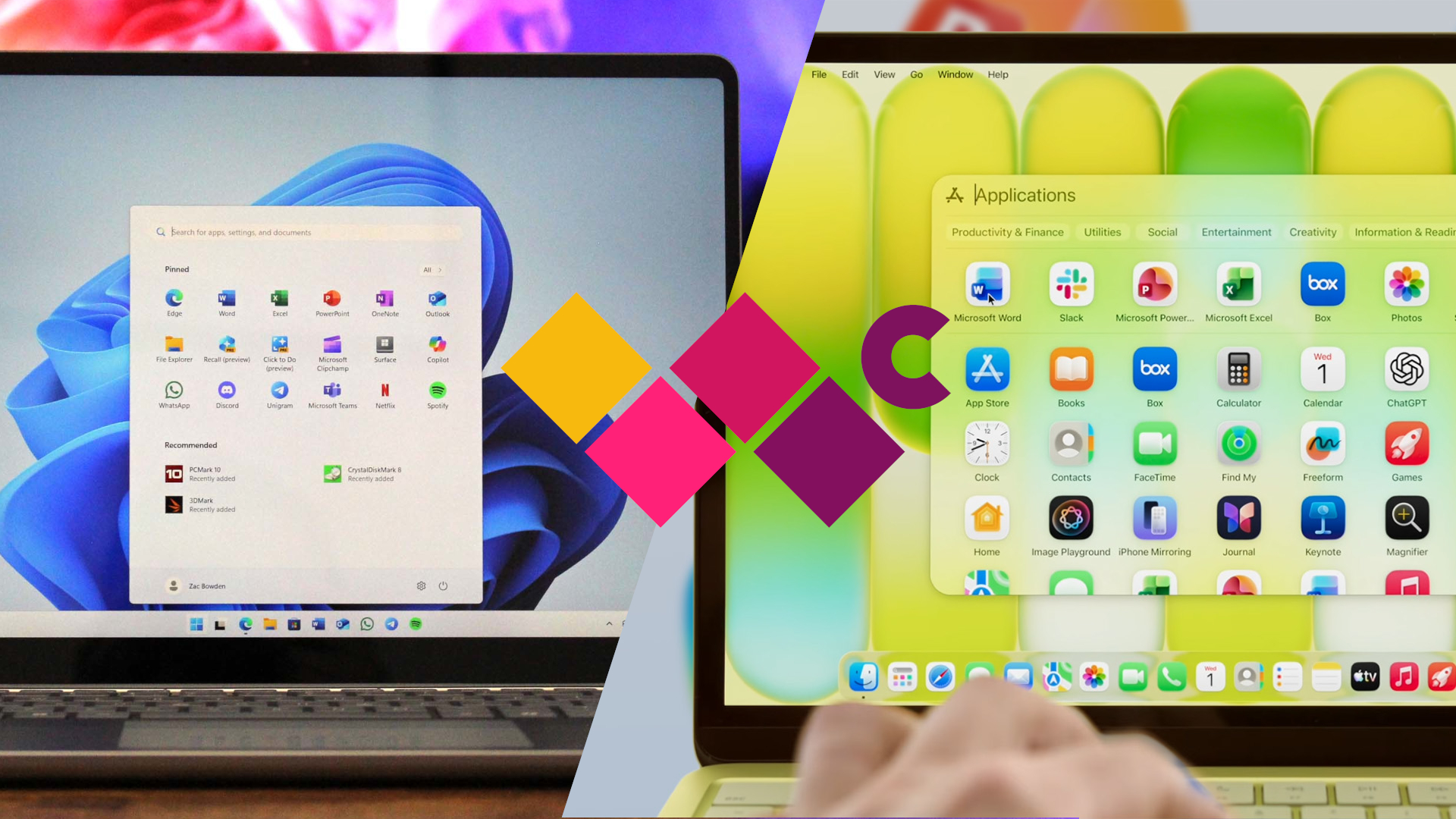
IDC called the MacBook Neo a "wildcard" when it comes to PC sales. The MacBook Neo reportedly outsold the MacBook Air in the quarter since its launch. The new laptop from Apple is also causing ripple effects on Windows PCs.
“The introduction of the MacBook Neo is putting real pressure on the entire PC ecosystem,” said Jitesh Ubrani, research manager for IDC’s Consumer Devices Trackers. “We expect vendors to respond with a combination of new silicon, a more efficient OS from Microsoft, and aggressive promotional pricing.”
We've already seen some of that response with devices like the new Dell XPS 13. That PC starts at $699 and goes toe-to-toe with the MacBook Neo (and beats Apple's laptop, according to our Senior Editor Zac Bowden).
Intel Wildcat Lake chips are designed for affordable PCs and are expected to power devices from Honor, ASUS, HP, and other laptop makers.
Despite pressure from the MacBook Neo driving more affordable options, IDC still predicts a rise in PC pricing. Ubrani added:
“The competitive pressure from the Neo is providing a partial offset to broader price increases, keeping some low-cost notebook options alive. But the overall trajectory for average selling prices (ASPs) is firmly upward. IDC forecasts ASP growth of 17% in 2026, and even as memory capacity expands over the next two years, pricing is unlikely to return to 2025 levels."
The memory shortage will likely remain an issue until at least the end of 2027, according to experts, meaning relief for high prices is not on the horizon.

Join us on Reddit at r/WindowsCentral to share your insights and discuss our latest news, reviews, and more.