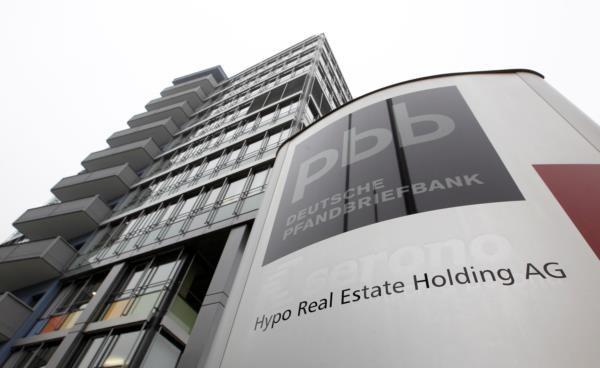
German bank PBB, also known as Deutsche Pfandbriefbank, continues to face challenges as its shares experience a steady decline amidst real estate troubles. This downward trend raises concerns within the financial sector and creates a cause for financial analysts and investors to closely monitor the situation.
PBB, a leading provider of real estate financing in Germany and Europe, has been grappling with the impact of the ongoing economic uncertainties caused by the global pandemic. The bank's stock prices have been steadily decreasing as a result of these challenges, prompting investors to closely examine the underlying issues.
One of the key factors contributing to the decline of PBB shares are the concerns over the bank's exposure to the troubled commercial real estate sector. The pandemic has led to a downturn in the property market, making it difficult for businesses in this sector to meet their financial obligations. This directly affects PBB's loan portfolios and creates a sense of unease among investors who are worried about potential defaults.
Furthermore, the bank also faces a reduced demand for its lending services within the real estate market, as businesses and individuals are more cautious about taking on additional debt during this uncertain period. This decline in demand further exacerbates the challenges faced by PBB, pushing its stock prices even lower.
Another obstacle faced by PBB is the low-interest-rate environment, which has been in place for a considerable period of time. This environment limits the bank's ability to generate significant revenue from its lending activities. As a result, the bank's profitability is negatively impacted, adding to the concerns surrounding its future financial performance.
In response to these challenges, PBB has been actively working to reduce its exposure to the troubled commercial real estate sector. The bank has been implementing stricter lending criteria and risk management practices to mitigate potential losses. Additionally, PBB has been exploring alternative avenues to diversify its revenue streams, such as expanding its services in the residential real estate sector, which has shown more resilience during the pandemic.
Despite these efforts, the market remains cautious about the bank's ability to navigate through the current difficulties successfully. The ongoing uncertainty surrounding the global economy and the real estate market's recovery adds to the skepticism surrounding PBB's stock performance.
In conclusion, the shares of German bank PBB continue to slide as the institution grapples with real estate troubles. The challenges posed by the ongoing pandemic, particularly in the commercial real estate sector, and the low-interest-rate environment are key contributing factors to the decline in PBB's stock prices. The bank's response to these challenges, including efforts to reduce exposure and diversify revenue streams, remains under scrutiny. Financial analysts and investors will keenly monitor PBB's progress as it faces these obstacles and works towards stability and growth in the future.