Pawn shops are recording a spike in customers amid the war with Iran, according to a new report.
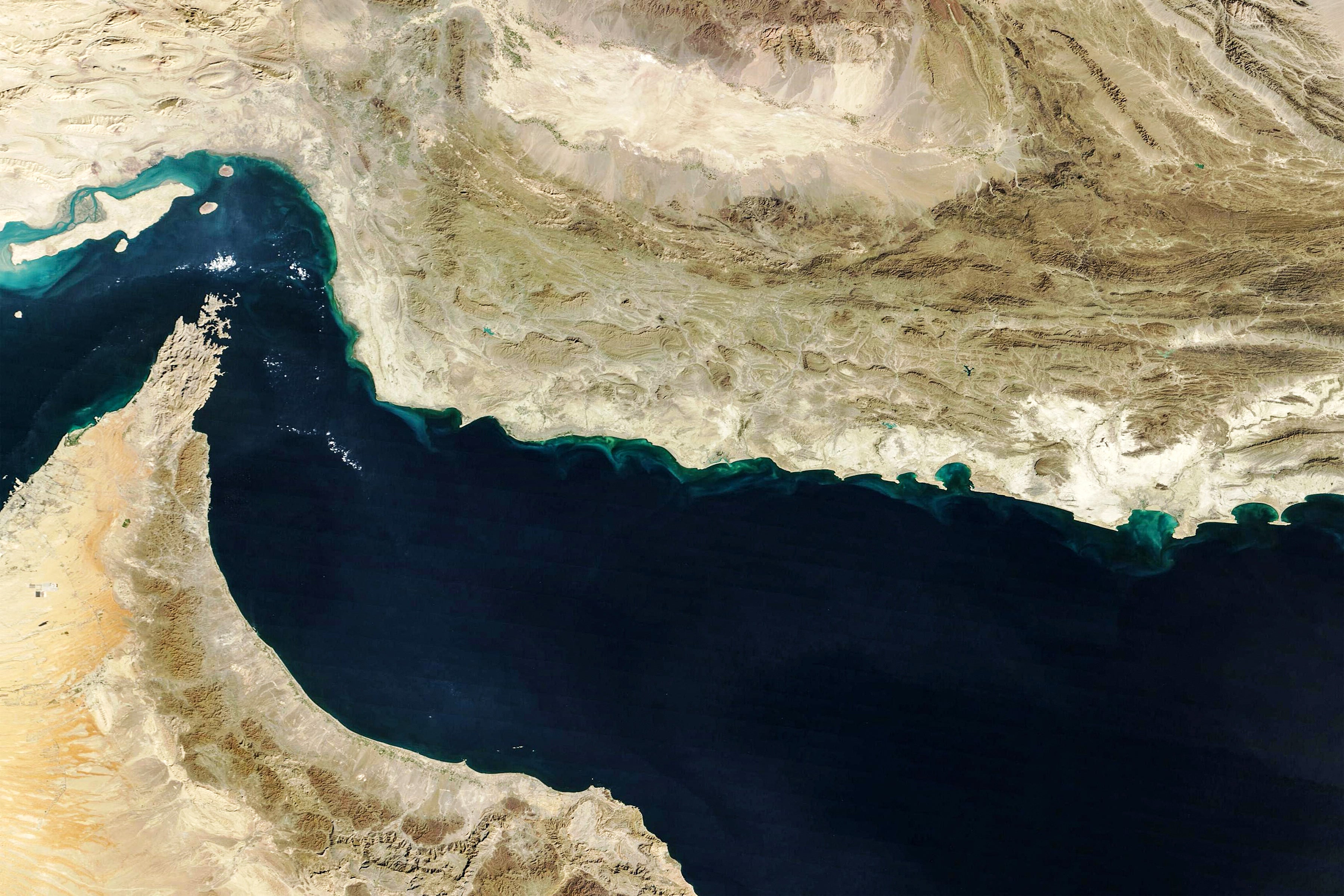
Since the conflict began, Iran’s leadership has been limiting access to the Strait of Hormuz, a vital trade route through which nearly 20 percent of the world’s oil and gas is shipped. That stranglehold on the trade artery has caused oil prices to surge.
Tim Cassidy, who runs Cassidy’s Jewelry & Loan in Stockton, California, told Bloomberg that this is driving more people to his store.
“We’re making a lot more loans,” Cassidy said. “They have to have that gas, they have to get to work.”
However, the dramatic rise in prices is not just impacting lower-income consumers.
Abigail Mielcarek, the co-founder of Abby’s Pawn and Coin in Santa Rosa, told Bloomberg that middle-income earners are increasingly turning to her shop for help.
“Expensive watches are coming in a little bit more frequently,” she said. “Some of the people who have more money are also feeling what’s going on.”
Mel Mason, a regular at Ponders Pawnbrokers in Lakewood, Washington, told the network that he had offered up a gun in exchange for $200. He planned to use the money to cover a $150 veterinarian bill for one of his dogs.
Brian C. McNamara, an analyst at Canaccord Genuity, which covers pawn giants EZCORP, Inc, and FirstCash Holdings, Inc., explained to Bloomberg that the pawn business is “countercyclical.”
“If pawn shops are doing well, it probably means that some part of the economy is not,” he said.
McNamara added that he conducts a quarterly survey of 47 of the company’s stores. In his recent study, he found that 25 percent of the shops were busier in the first quarter than they had been a year earlier.
Speaking about the rise in fuel prices, he said, “You have gas prices that are just slapping people across the face.”
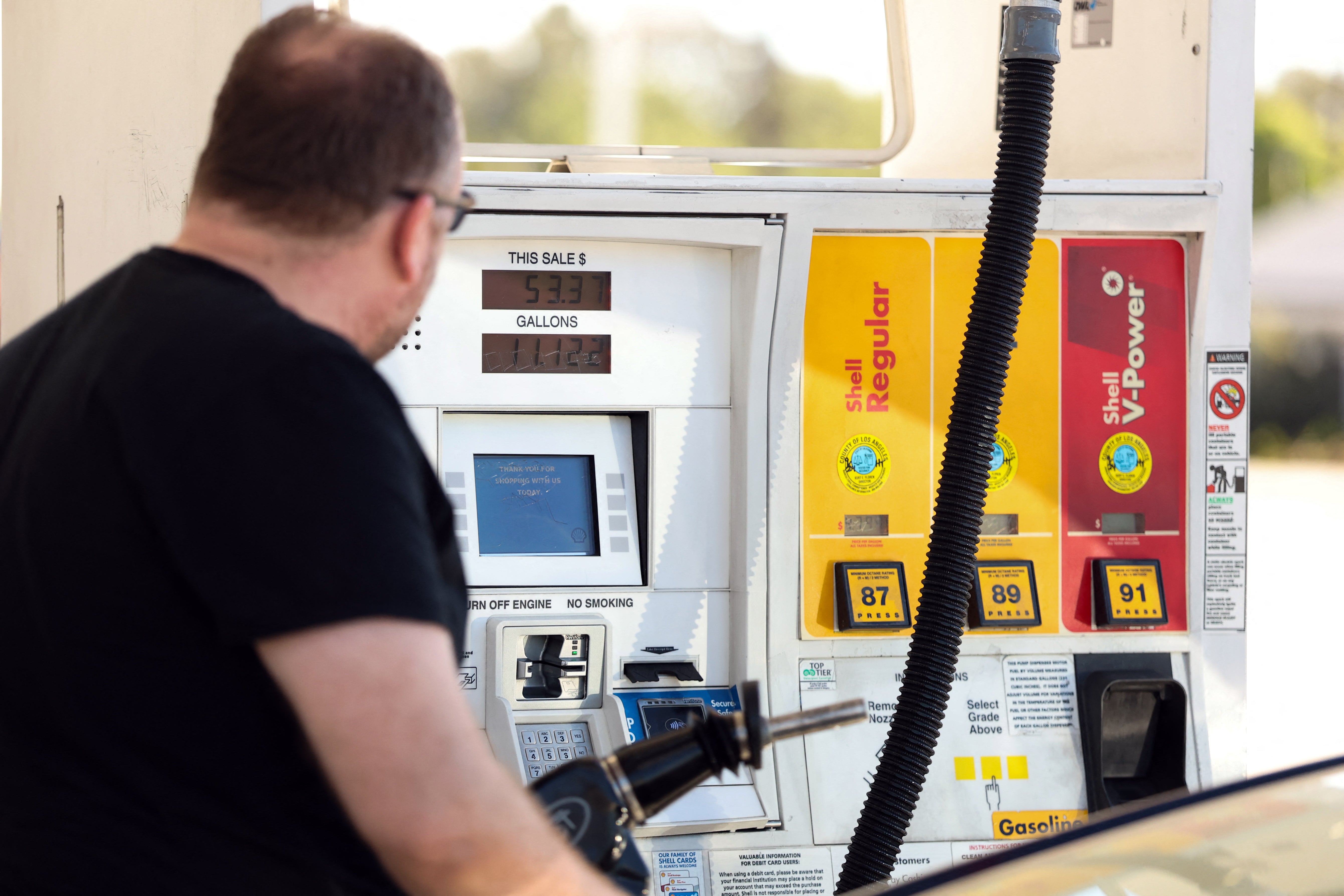
According to GasBuddy, gas prices sat at just $2.92 per gallon at the start of February.
By the end of March, which was nearly a month into the war with Iran, that figure had risen to $3.7 per gallon.
The price leaped again to $4.12 by April 1.
Inflation has rocketed alongside gas prices, too, with the Consumer Price Index for March recording a 0.9 percent jump from February. Over the last 12 months, the all-items index increased by 3.3 percent before seasonal adjustment.
Speaking to Fortune, Steve Hanke, a professor of applied economics at Johns Hopkins University, was blunt about his view of the war's impact.
“Good for Russia, good for China, bad for America,” he said.
Wayne Winegarden, a senior fellow at the Pacific Research Institute, told the magazine that the impact of the war could feel like “the inflationary 70s.”
Winegarden added that if the war were to persist and the Strait of Hormuz were to remain closed, he thinks a “recession” could take place.
“It will feel stagflationary,” he said.
Iran-US war live: Trump says Iran is ‘losing big’ as peace talks begin
Tribal gas stations offer a reprieve from high prices during Iran war
US and Iranian officials meet with mediators in Pakistan as talks kick off despite disagreements
Trump claims tankers headed to US to load up on oil in morning Truth Social rant
Kamala Harris delivers strongest statement yet on 2028 run
Badenoch warns Trump represents new US normal and vows to increase UK army by 20,000