
Look to music, football and the street for your inspiration. When I was growing up, the cultural reference points that defined your character were music, clothes and football. When I was really young I wanted to look like all the pop groups I liked on TV, but I was too small to fit into the clothes. George Best and the Chelsea team were my other inspirations.
London had a glamour attached to it. I lived in a suburban town outside London [Woking], and whenever you’d come into contact with kids from London, they’d be dressed slightly differently. Whatever they were wearing, you knew you’d be wearing the same thing in a few months’ time. I only went to Carnaby Street once, in 1970. We had nothing like that where I came from. There were two boutiques in Woking. Fashions took a while to filter down.

Bands should have a strong look. The Clash had a strong look, with their paint-splattered clothes, and the Sex Pistols did too. We thought we should. In my mind, the Jam’s look was pure mod. I was immersed in the mod thing, and I thought: “The band should look like this as well.” I thought it was important as a band to have a strong look of unity. The suits we wore may have looked good in photos, but in reality they were shocking. We got them made up in Burton.
Clothes are an important part of our culture. When I was in the Style Council, a lot of the middle-class press had a problem with us because we were working class and talked about wearing clothes. It was seen as being ephemeral, but it wasn’t. We got a lot of stick for it, but it only made us want to do it more.
My haircut is a happy accident. My hair just grows like this; I don’t know what else to do with it. I’ve tried growing it out and getting a normal person’s haircut, but it doesn’t do anything except get a bit longer. I go into a hairdressers and say: “Can you cut my hair the way you did three months ago, please?”
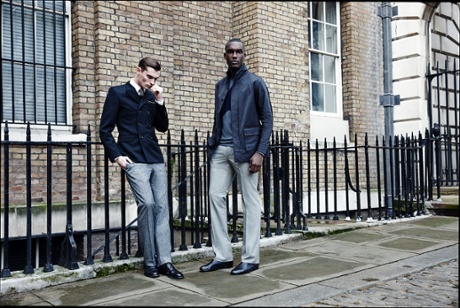
The meaning of “age-appropriate dressing” has changed. When I was young and thought of people in their 40s and 50s, they seemed so ancient with their funny, old-fashioned, prewar clothes. But then there was the explosion of teenagers and rock’n’roll in the postwar years. Now all of us are older, and we’ve got all that heritage to look back on. So we’re not governed by those standards of how to dress if you’re an older person. For people who have been affected by rock’n’roll in the 50s or pop music in the 60s, those things don’t go away; they stay with you. You don’t get to a certain age and think: “I can’t wear this,” you just have to be careful with how you dress. But not so careful that you end up wearing sensible shoes. There’s a great quote from Hardy Amies that goes: “In fashion today there are no old men; just the young and the dead.” The goalposts are different now. In fact, there aren’t any goalposts, it’s a free pitch!
Real style is hard to find. I named the [clothing] line after hearing someone say the phrase: “Real stars are rare, they only come out at night.” I thought it was funny and camp, but it also spoke to the fact that real quality is a bit more discerning and you have to look for it. I wanted everything to be designed really well and well cut.
Don’t underestimate the iron! Keep your clothes clean and iron them. You can be on a low budget, but if you’ve got a bright white T-shirt and a pair of jeans, you’re halfway there.
- Paul Weller’s clothing line is available online at Real Stars are Rare and at Tonic store in London.