Yukata, casual Japanese garments worn mainly in summer, have grown in popularity as chic summer items. Visitors to fireworks shows and other events often wear the garments, and couples decked out in yukata are also a common sight these days.
Men tend to prefer yukata with somber colors and simple designs. When wearing such attire, men ought to consider not only patterns and colors, but also accessories they may carry by hand.
The kanji characters for yukata literally mean "bath garment." As implied by the name, they were originally unlined cotton kimono worn after taking a bath. One of the charms of yukata is that they can be casually worn like everyday clothing, and these days, more people are wearing the garment than in the past. However, many yukata worn by men are characterized by subtler designs in contrast to women's yukata, which often feature elegant designs such as floral patterns.

Haruka Natsume, an area buyer in the kimono fabric division of Takashimaya department store, said: "Many men like chic colors and patterns. However, vivid patterns and colors also suit men's yukata. I hope more men will try such yukata."
Natsume discussed yukata and obi sashes that are available at the Takashimaya Yokohama Store, recommending the "Asa no Hamon" (hemp leaf) and "Yanagi ni Tonbo" (dragonfly and willow) patterns. Both have unique designs, with the former in particular featuring green and other colors that are nontraditional in Japan.
What color sashes are most suitable for outfits?
"When wearing yukata with multiple colors, choose a sash that has the same color as one used for the yukata," Natsume said, adding that fabrics with plain patterns and colors go well with sashes that have bright patterns. Such combinations lend a certain sharpness to outfits.
To wear yukata stylishly, men should select garments appropriate for their height. Unlike women's yukata, men's yukata cannot be adjusted around the waist by folding fabric under the stash, a technique called ohashori. Regardless of color or pattern, yukata ill-suited to one's height will not appear stylish.
Sports bags, beach sandals work well
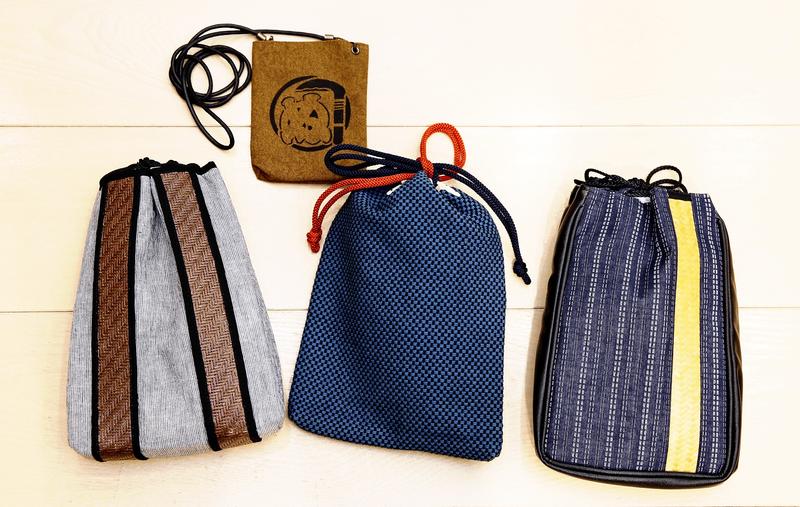
According to Natsume, smartphones and other items should be carried in a drawstring pouch. Recently, many people have intentionally forsaken Japanese items in favor of crossbody sports bags and other goods. "It's best to coordinate your outfit with traditional Japanese tastes, while it's also nice to incorporate Western items in your own way. Boater hats also go well with yukata," she said.
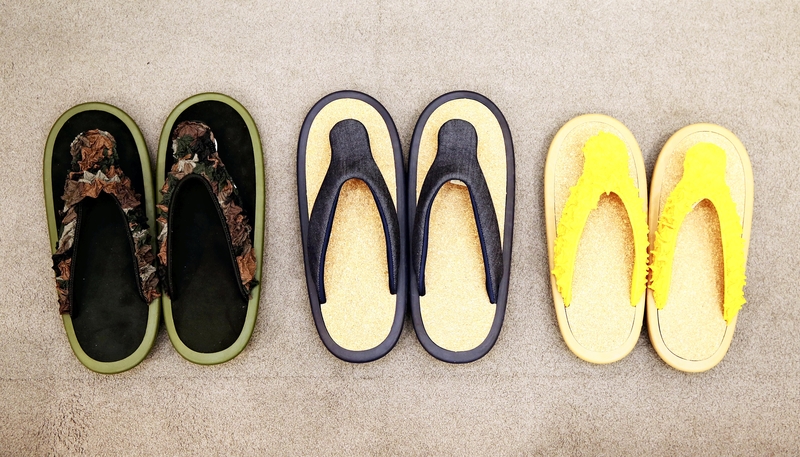
Typical footwear for yukata are geta and setta sandals, while beach sandals also work well. Natsume recommended JOJO beach sandals sold by Gion Naito, a footwear shop in Kyoto. They have good designs and can be worn comfortably because soft material is used for the thong, she said.
For couples planning outings in yukata, Natsume recommended using the same fabrics or colors for each other's yukata or sashes.
"Besides colors, wearing yukata featuring the same techniques such as shibori tie-dyeing makes the couple look stylish," she said.
New jinbei with buttons
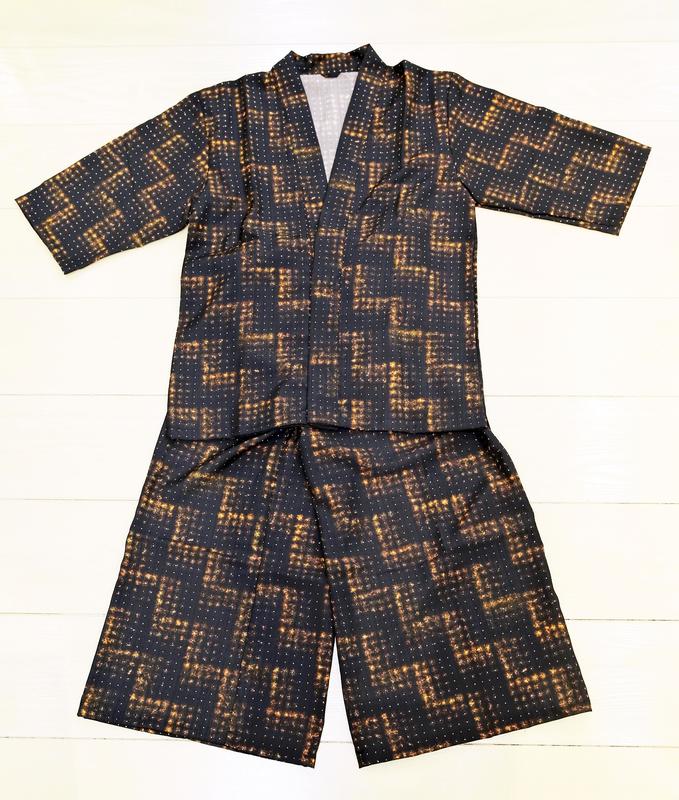
Jinbei, comprised of a short-sleeved top and knee-length shorts, are another casual Japanese summer outfit. This year, the Takashimaya department store started selling a new type of unisex jinbei called Wamachigi (Japanese-style street clothing) priced at 62,640 yen including tax.
The tops of ordinary jinbei are tied with strings on both sides. However, the tops of the new version can be fastened with buttons, allowing those not familiar with Japanese attire to easily wear them.
Read more from The Japan News at https://japannews.yomiuri.co.jp/