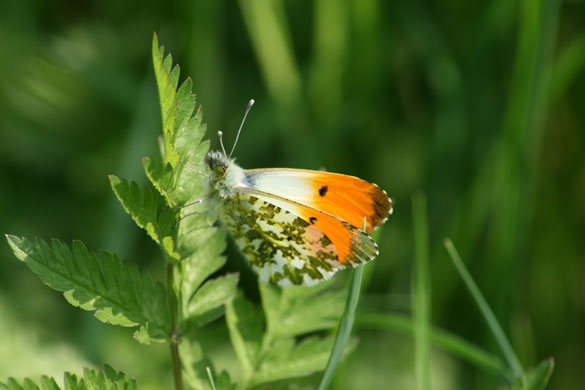
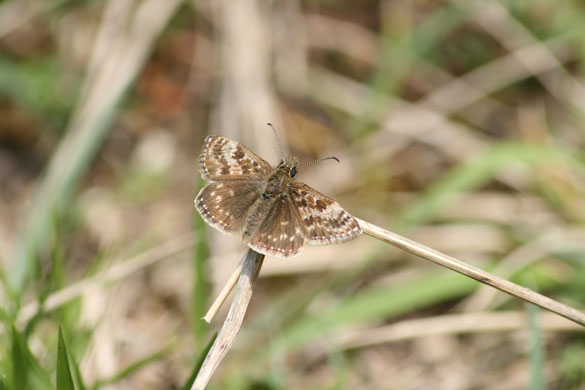
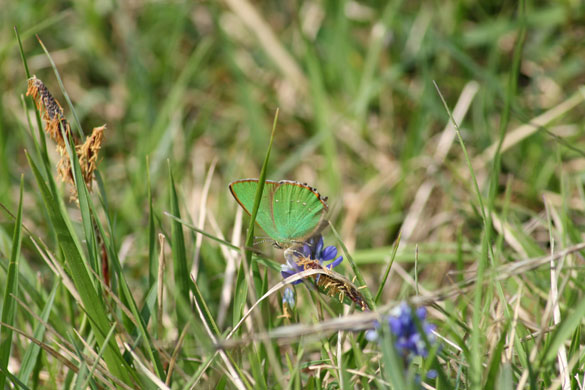
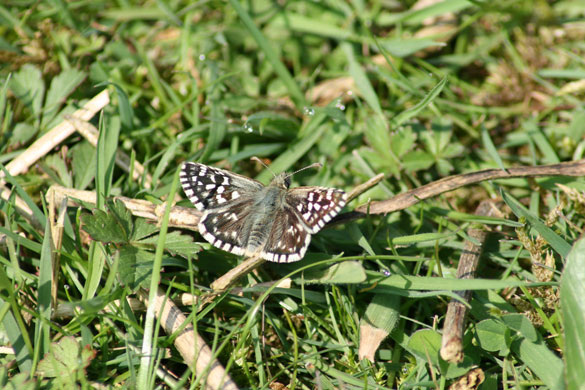
This male orange tip is one of the classic signs of spring and a common sight on marshy ground and along country lanes in April and early May. I found this one on the banks of the Thames by Twickenham. The female of the species lacks the brilliant orange on its wings and can be mistaken for a small white or green-veined whitePhotograph: Patrick Barkham/Patrick BarkhamThe poor old dingy skipper looks more like a moth than a bright butterfly. It has got much rarer in recent years, but can still be seen flying alongside grizzled skippers on many nature reserves and protected sites. It is pretty feisty too: this one was scrapping with green hairstreaks seconds before this photographPhotograph: Patrick Barkham/Patrick BarkhamIn flight it looks dusty grey but when it lands, the green hairstreak always sits with its wings closed, displaying its brilliant green undersides. This one looks a bit blurry in the body because it was happily rubbing its wings togetherPhotograph: Patrick Barkham/Patrick Barkham
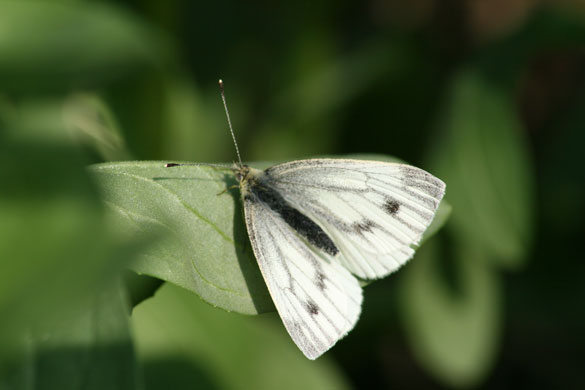
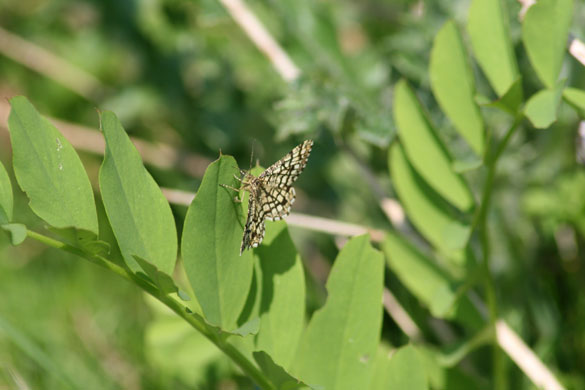
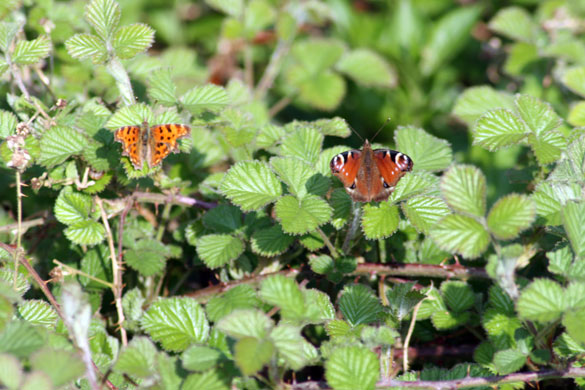
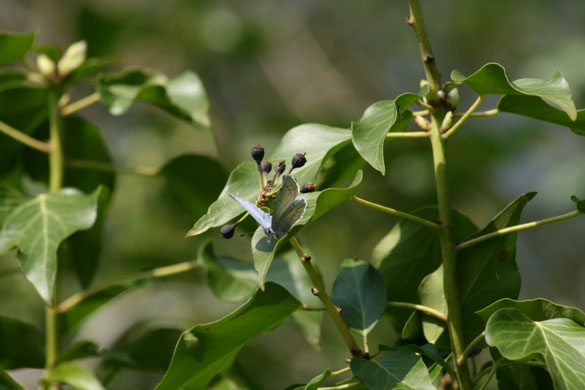
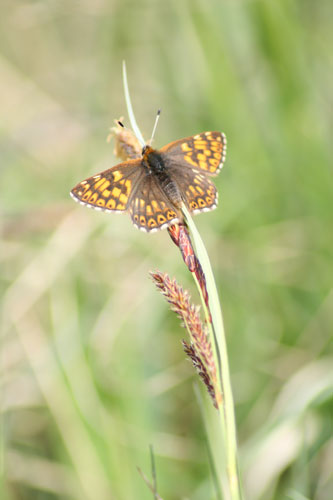
I found this green-veined white in the same spot and had to follow it until it rested. It is identified by the distinctive veins on its wings (unlike me, real experts can distinguish it from a small white even in flight). This is a very mobile butterfly, seen in more parts of Britain than any otherPhotograph: Patrick Barkham/Patrick BarkhamThis grizzled skipper is tiny and, in flight, can be mistaken for a moth. You are unlikely to see this in a garden but it can be spotted on old railway lines, sandy heaths and grassland where there is plenty of wild strawberry flowersPhotograph: Patrick Barkham/Patrick BarkhamButterfly or moth? I followed this insect for ages thinking it might be a grizzled or dingy skipper. But when it rests, you can see it is a moth because it has thin feelers instead of clubbed antennae. I’m not an expert on moths at all but I am told this is a lattice heath mothPhotograph: Patrick Barkham/Patrick BarkhamTwo of our most beautiful, and most common, butterflies: peacocks and comma seem everywhere this spring. These two were sunbathing side-by-side when a brimstone flew past. Both got up and gave chase, and then the peacock turned on the comma and shooed it away as well. Peacocks can be very territorial: sometimes they will even try to scare off humansPhotograph: Patrick Barkham/Patrick BarkhamThis is as close as I could get to another very distinctive spring butterfly. The holly blue loves holly and ivy and has successfully colonised most of our urban areasPhotograph: Patrick Barkham/Patrick BarkhamThis beautiful little butterfly is one of our rarest and most threatened species. There are less than 100 colonies left and many have only a few individuals. I only found the duke of burgundy with the help of the National Trust’s advisor on nature, Matthew Oates, who is an expert on the species. We watched six males behaving like typical chauvinists on holiday: sunning themselves, fighting and waiting for the females of the species to wake upPhotograph: Patrick Barkham/Patrick Barkham
Sign up to read this article
Read news from 100’s of titles, curated specifically for you.