On a glorious afternoon, as I walk across the university campus to deliver the week’s final talk to graduating medical students the phone rings. “I am not sure how to say this”, the nurse begins, “so I will just do it. Joe’s brother doesn’t want you as their oncologist anymore.”
“I’m sorry”, he offers after a pause. “I know how well you have cared for him.”
“Don’t be, it’s his choice”, I say lightly, feigning nonchalance while my insides feel scrunched up.
Joe was given a poor prognosis three years ago. As it turned out his cancer proved a modern success story. I saw him through an unprecedented upswing as he benefited from new technology and drug discoveries that brought quantity and quality of life. A motor enthusiast, he flew to major events and even competed in a race. “I pinch myself, doc”, he exclaimed. “No one gave me a chance except you.” To be honest, I could barely overcome my own surprise at his improvement and I often told him that the credit belonged to him.
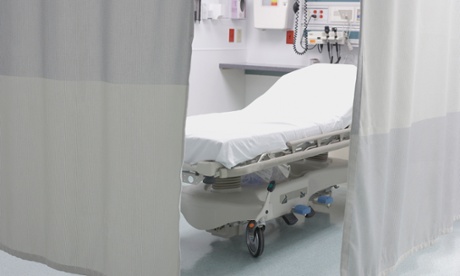
Now, Joe is dying, having finally exhausted the lease on his life. The change had happened over mere weeks, as if the cancer lying dormant for so long has reared its head in a fit of vengeance. Multiple organs are inching towards failure. For days I have grappled with them but anyone can tell it’s been a week of diminishing gains. For a man who has controlled every detail of his illness, I feel he should know this too. But at the bedside he says,
“We are going to fight this, right? There will be something else, like all those other times.”
It is a statement not a question, and it twists my heart to hear it. If Joe is a believer, his brother Hank is downright evangelical. Whenever he sees me, he chants, “Never ever stop believing in miracles.” One day I catch him alone. “Hank, I am doing everything I can, but please ensure Joe’s affairs are in order.” “I know”, he says before reaffirming that there is nothing wrong with believing in miracles.
“Can I have more chemo?” Joe asked yesterday.
“We can discuss it, Joe. But to be honest, it’s unlikely to work as well this time and I am concerned about making you worse.”
“Miracles”, reminds Hank, and a critical conversation crashes to an end.
Returning me to the present, the nurse adds, “Just so you know they say they are tired of hearing negative stuff.” This makes me think of the numerous conversations with Joe over the years, many approached with trepidation but ending in relief and even mirth. The bleeding tooth explained by biting too hard on a square of chocolate in a contest. The collapse that was a result of an overheated room and not brain metastases. The abdominal pain that was merely a reminder to take his laxatives more diligently. So many scans that threatened to reveal progression but instead depicted dormant disease, earning him another reprieve. Were those celebratory moments not the antithesis of “negative stuff”?
But the thing is, they were also the unvarnished truth. So now, when he is dying, wouldn’t he wish me to be honest with him again? Apparently no.
A US study found that nearly three quarters of patients with advanced, incurable cancer believed that chemotherapy was being given with curative intent. But in an added twist, they perceived oncologists as better communicators when they conveyed a more optimistic view of chemotherapy. In other words, the more honestly you deliver bad news, the poorer your patient satisfaction ratings – sobering news indeed in an era of increasing measurement of metrics and accountability.
The finding resonates with me as the bruise of being spurned sets in. And yet it feels intuitively right that when it comes to difficult conversations with patients, honesty is the best policy. Time spent at the bedside is enormously therapeutic, especially when the doctor succeeds in talking less and listening more. Open, sensitive and compassionate interactions reduce anxiety, mitigate distress, aid compliance and leave a somewhat smaller trail of emotional destruction when the patient dies.
The phone call is over and I am standing before two hundred students poised at the threshold of internship, a formative year of their life. Honesty lies at the core of good medicine, I was going to say. Your career will contain the inevitable medical error and dying patients who deserve the truth. Don’t lose your moral compass although it can be tempting. But now, I suddenly wonder if I am doing these impressionable young doctors a disservice by glossing over the flip side of honesty in the doctor-patient relationship. Maybe I should warn them that it might make them unpopular and disliked. They will occasionally fret knowing that the more they give, the less it seems. And wonder how to reconcile between what is right and what is expedient.
But then I look into a sea of faces hoping to glean something worthwhile from a talk ambitiously titled The Makings of a Good Doctor and my misgivings evaporate. I begin speaking, reminding them of the privilege of being a doctor and being allowed into the intimate spaces of the lives of strangers. I tell them how patients hang on our every word and gesture and how easy it is to short change them when we are tired, grumpy or simply disinterested. I observe them that death happens to a person, not a patient and we must never forget that our patient is someone’s lover, friend and family.
I lament that doctors are inundated with data but reassure them that the most important lessons to remember are still those to do with honesty, humility and empathy. If they remember this, a lot of other things will fall into place.
And even as I say this and end my talk my thoughts drift to Joe again. But this time, not with disillusion as much as a renewed regard for the spirit required for a person to live through the constant fear and uncertainty of illness. And I realize that I don’t need an explanation; permission to be part of Joe’s journey is good enough.