Two New Jersey genetic-testing companies are being sued by IVF patients who claim they were misled about the health of embryos and discarded them, according to lawsuits.
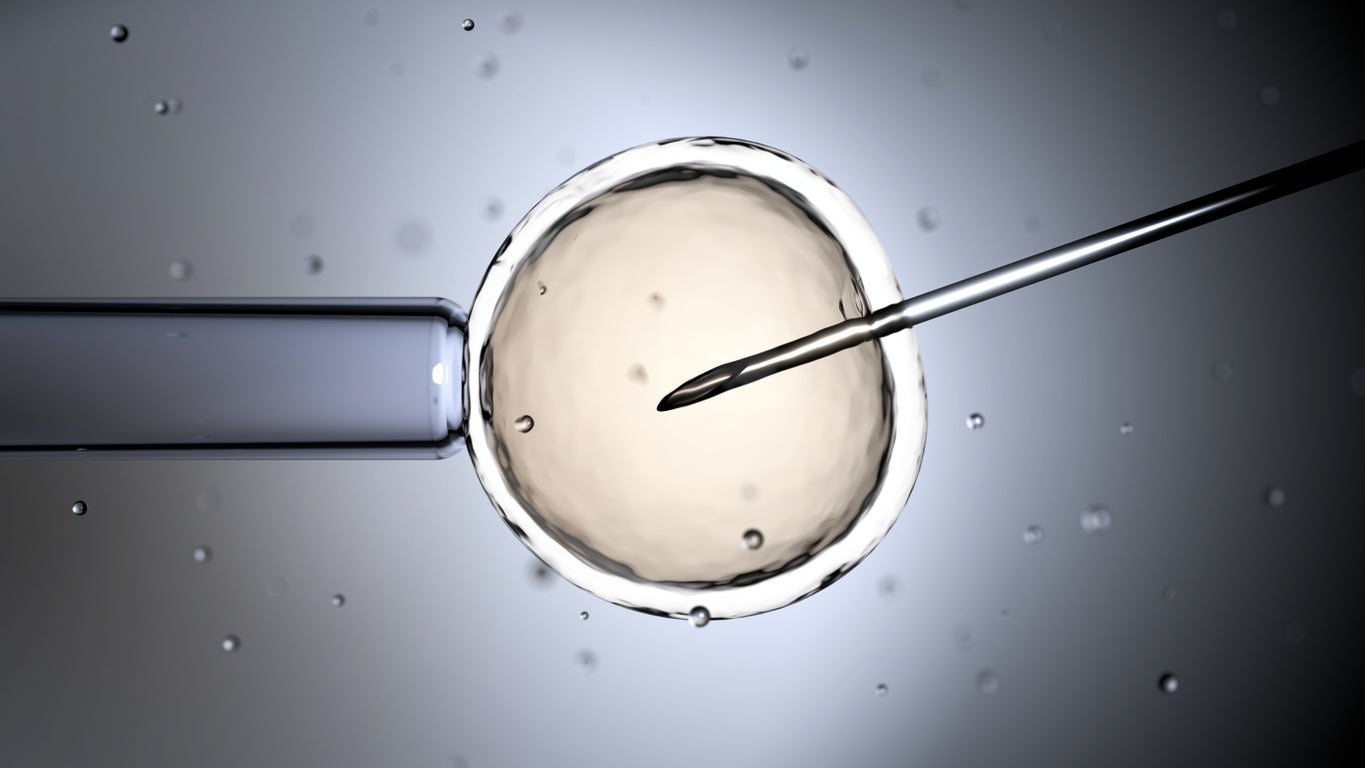
Several patients have filed class action lawsuits against Genomic Prediction and CooperGenomics over the companies’ claims about a genetic test, known as PGT-A, and its ability to reduce the likelihood of miscarriages for IVF patients.
The suits allege the companies “marketed PGT-A using claims about accuracy, effectiveness, and improved IVF outcomes that were not adequately supported by scientific research and clinical validation," attorney Allison Freeman told The Independent.
PGT-A can help screen embryos for extra or missing chromosomes, according to Mount Sinai Fertility. The procedure is rarely covered by insurance and can cost thousands of dollars.
Hundreds of thousands of women undergo IVF each year, and in 2024, more than 100,000 babies were born through IVF, according to the American Society for Reproductive Medicine.
Maureen Ewing, a plaintiff in the suit against Genomic Prediction, told NJ.com that after she underwent IVF, she destroyed some of her embryos based on PGT-A testing, which appeared to show they were abnormal.
“It’s crushing to think of what could have happened,” she told the outlet.
The complaint against Genomic Prediction, filed last month, alleges the company has “known for years that their PGT-A tests are not 98-99% accurate and have a lower false positive rate and false negative rate.”
“Defendants have acted to mislead customers with their false and deceptive marketing and advertising statements, and material omissions, in exchange for the opportunity to reap millions of dollars in profit each year from selling PGT-A tests,” the complaint states.
The complaint against CooperGenomics, filed in 2024, similarly alleges the company has “known for years that PGT-A testing is significantly less than 97% accurate.”
Freeman told The Independent that some patients allege that embryos they discarded after receiving abnormal test results “may have been viable.”
She added: “Some plaintiffs do allege that decisions about their embryos, including whether to transfer embryos, were influenced by those representation. However, the core of the claims is not limited to embryo disposition.”
“Rather, the lawsuits focus more broadly on alleged false and misleading marketing to sell the test, which resulted in financial and decision-making impacts on patients undergoing IVF,” she said.
Freeman described the experience as “heartbreaking” for many patients.
“No one wants to have a miscarriage,” she told NJ.com. “The whole goal of IVF is wanting to have a successful family, so why wouldn’t you purchase it? But when you learn they haven’t done the proper search to back it up, it’s heartbreaking for these individuals.”
When reached for comment, a spokesperson for Genomic Prediction said the company is “committed to providing accurate, evidence-based information about our products and services.”
“We stand by the integrity of our work and remain committed to the highest standards of scientific rigor, transparency, and patient care. As this is an active legal matter, we are unable to comment further at this time,” the spokesperson told The Independent.
Both lawsuits are seeking damages from the companies and a jury trial.
The Independent has contacted CooperGenomics for comment.
Police say 1 person was killed and 6 were injured in a mass shooting at a Chick-fil-A in New Jersey
Immigration board denies Mahmoud Khalil's appeal, bringing activist one step closer to deportation
Judge rejects bid to stop Arizona’s prosecution of Kalshi on wagering charges
80 wild hippos linked to Pablo Escobar will be ‘culled’ despite outcry
Minnesota officials investigating ICE arrest of man in his underwear as kidnapping
Trump building 4,500-seat UFC arena ‘right at the front door’ of White House