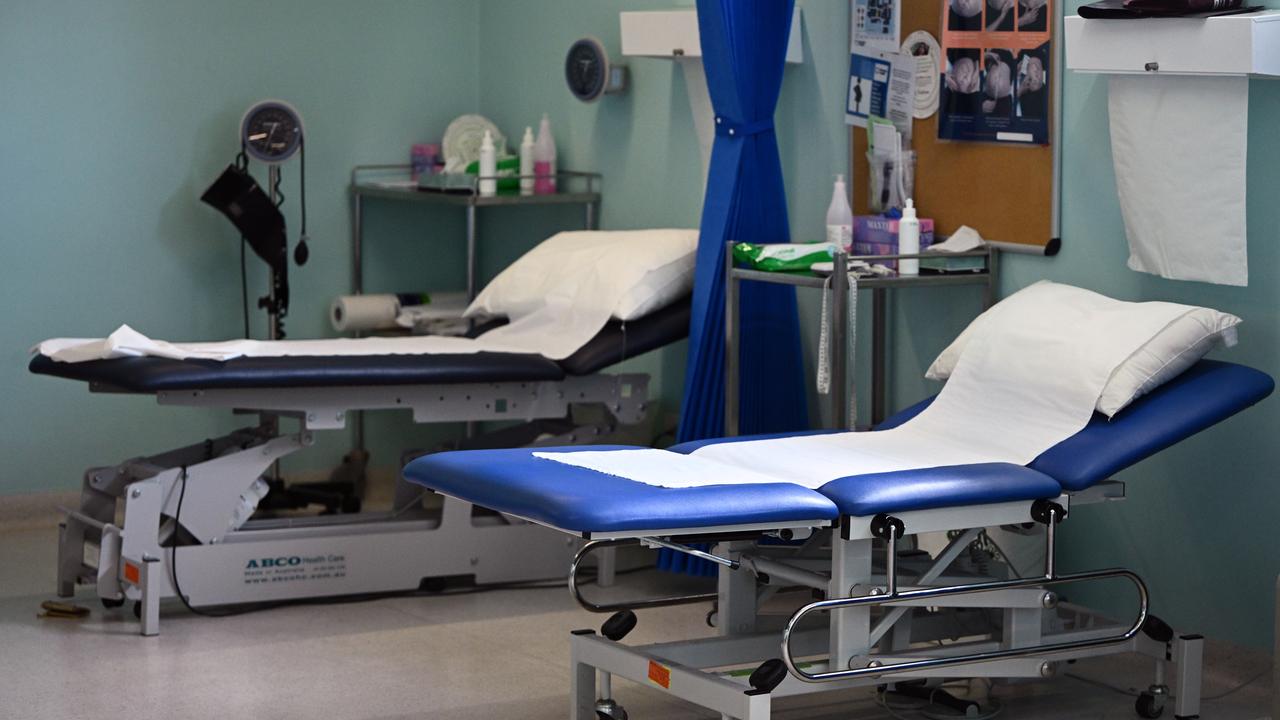
If health officials can't work together to solve hospital crowding, patients needing critical care will continue to be left in the cold, emergency doctors warn.
As state and federal health ministers squabble over who is responsible for the problem of 'bed block', doctors are crying out for both sides to see the true cause of the problem.
Bed block refers to when a patient stays in hospital beyond their expected discharge date and figures released on Wednesday show rates in NSW related to federal care support have surged more than 50 per cent in a year.
"Bed block is one of the biggest risks to patient safety in our hospitals," Australian College for Emergency Medicine president Peter Allely said.
"When every bed in (emergency) is occupied by patients who should already be on a ward, the next person who needs urgent care can't be seen safely."
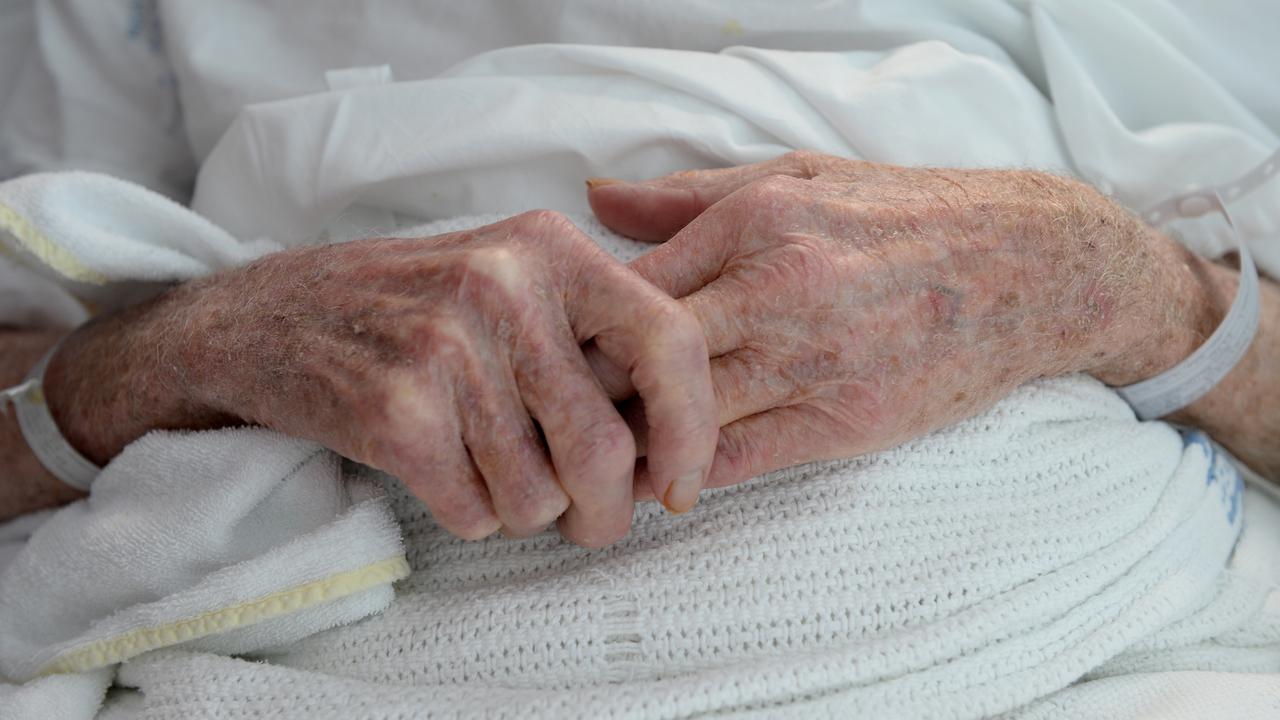
Some 1151 bed blockers were stuck waiting in NSW hospitals for federally funded aged care or NDIS support in the September quarter - up 54 per cent over the year.
"Commonwealth bed block has serious consequences for our state hospitals - from wards, to surgeries that can't be conducted, to people waiting for beds in the (emergency department)," NSW Health Minister Ryan Park said on Wednesday.
The thousands of patients left filling up beds which could otherwise be used for critical care is leaving states with a health system Mr Park described as "simply not sustainable".
He compared the situation to having two of Sydney's largest public hospitals - Westmead and Mount Druitt - "ripped out" from the state health system.
His federal counterpart Mark Butler insists urgent care clinics have been a "game changer" in relieving pressure on NSW hospitals.
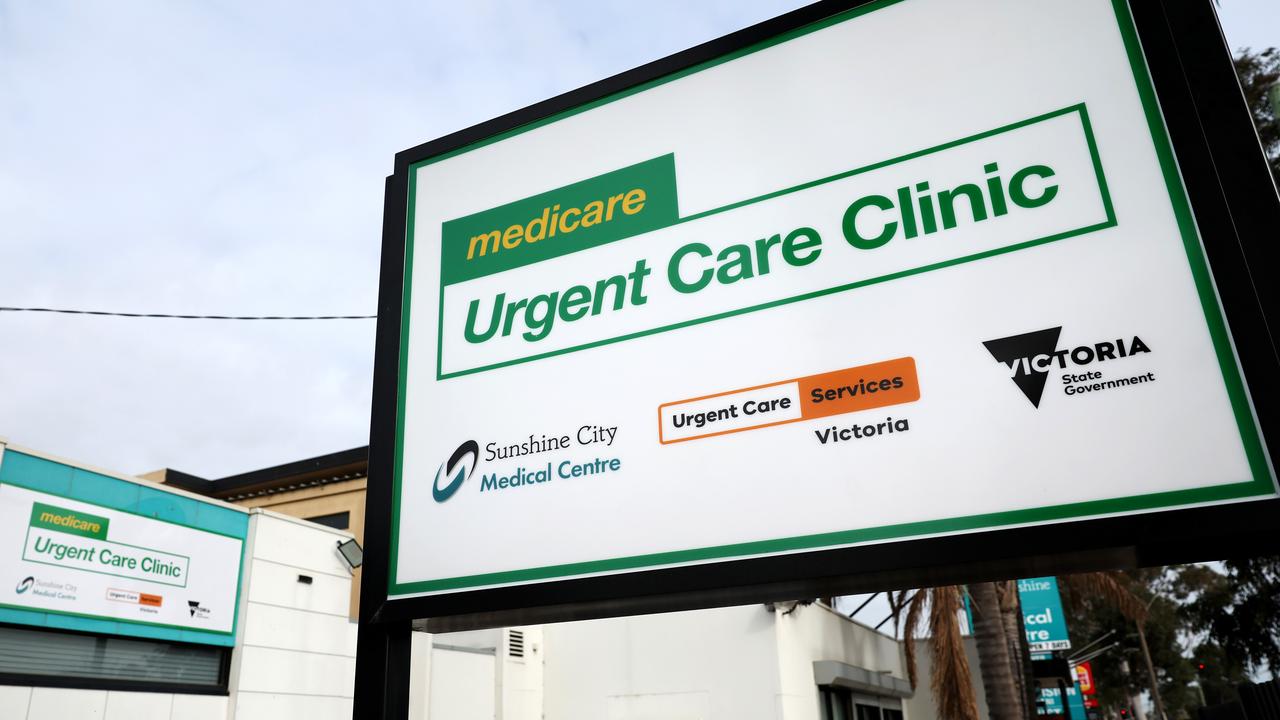
He will meet with state health ministers on Friday and remains optimistic that a finalised National Health Reform Agreement would address hospitals, aged care, disability care and general practices.
"Of course, we don't want any Australian to spend longer in hospital when they can be receiving care back at home or in aged care," he told AAP.
Australia's top emergency doctor wants patients to be the focus of the conversation.
"State and federal governments need to come together to get to the core of the problem, which is that patients who are ready for a hospital bed can't get one," Dr Allely said.
Despite the increased pressure on beds from long-stay patients, separate data from the NSW Bureau of Health Information showed emergency department response times improved for the third consecutive quarter.
Hospital alternatives such as urgent care clinics and the Healthdirect helpline are also diverting more non-urgent patients from emergency departments - down more than 20,000 in the September quarter.