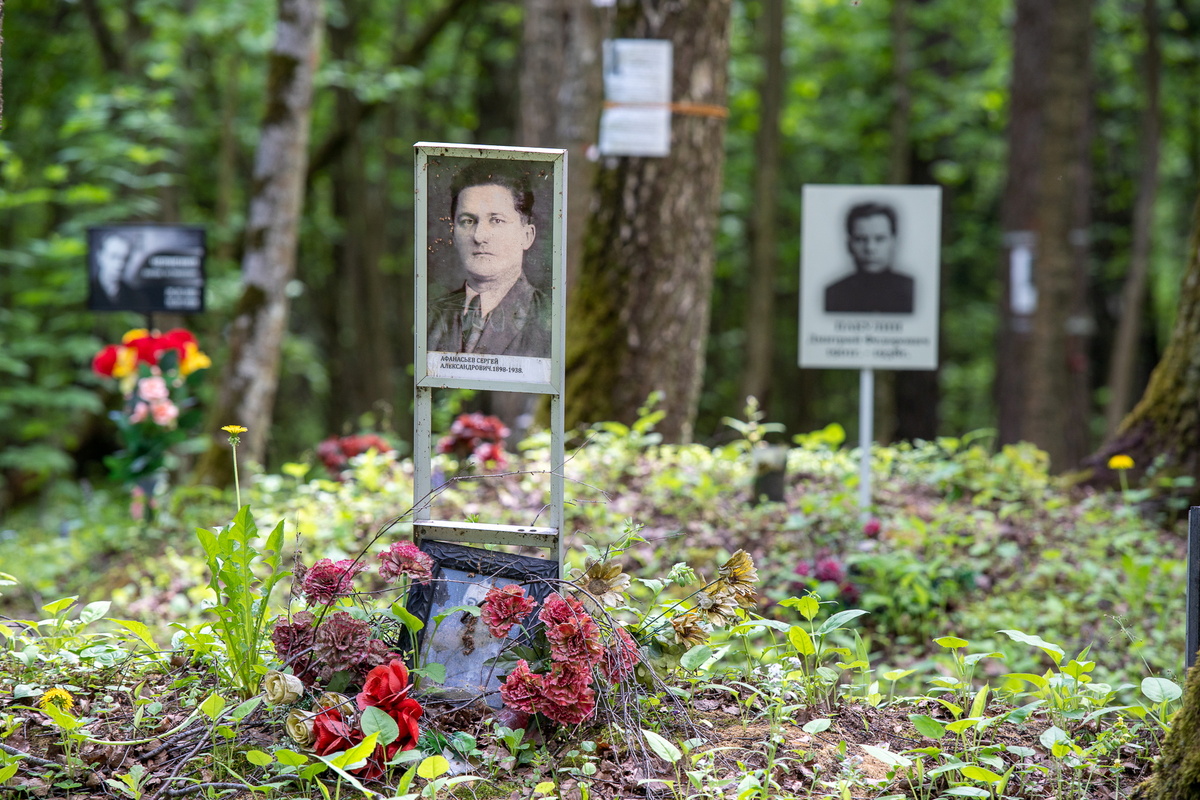
Mass grave pits have been found near Moscow containing the remains of thousands of people executed by Soviet dictator Joseph Stalin's secret police during his "Great Terror" campaign of purges.
The graves were found over the course of three years at the Kommunarka shooting ground, a large wooded area southwest of Moscow that contains the bodies of 6,609 people shot by the NKVD secret police in 1937-41, Russia's Gulag Museum said.
The find would at last make it possible for relatives, some of whom have been coming to leave flowers for years, to learn where their loved ones lay, said Anna Stadinchuk, a museum spokeswoman.
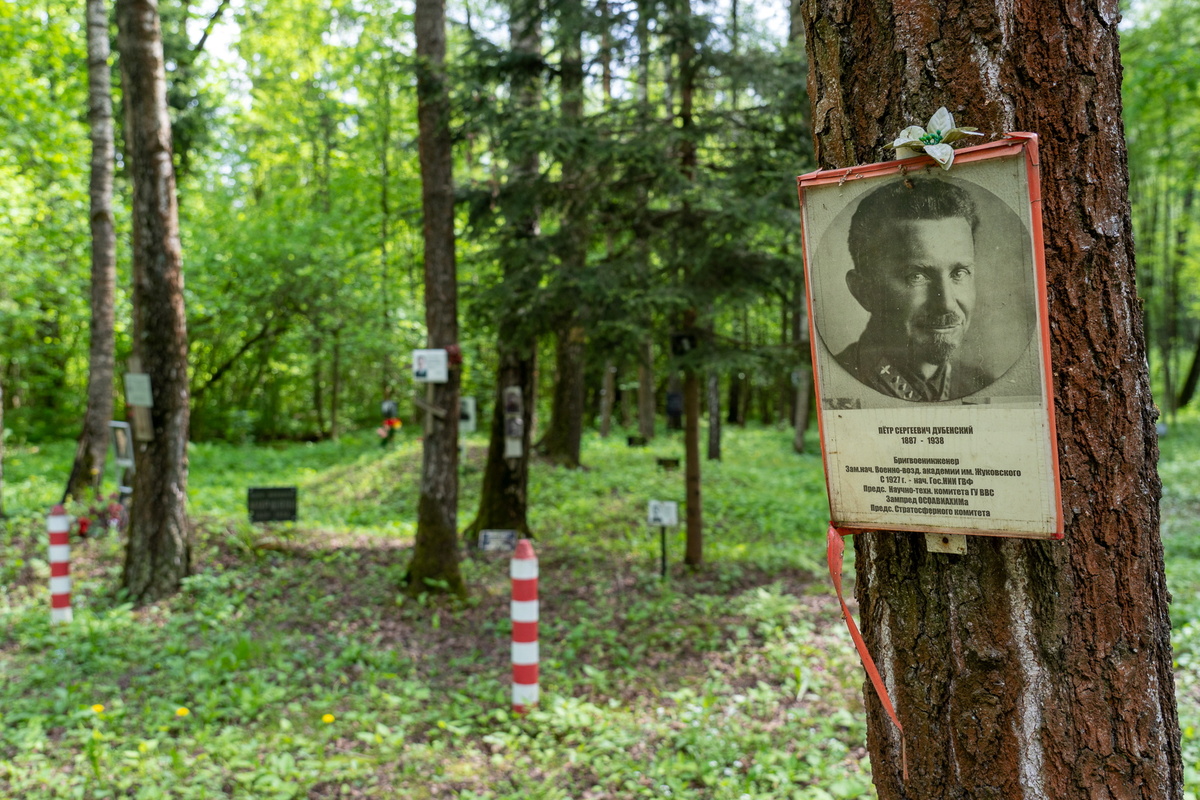
Relatives "just came to this forest, for instance attaching photographs to trees, leaving memorial signs. But no one knew where they were buried because information couldn't be found in any of the archives," she said.
"Now we can talk about creating a memorial complex in the future, knowing at least where the burial sites are," she said. Footpaths could be constructed at the site, "knowing that it hasn't been built on top of bones."
Around 700,000 people were executed during the repressions under Stalin known as the 1937-38 "Great Terror". Millions were sent to the Gulag forced labour camps.
There are burial sites across the country from the period, but many have not been researched to this day. Stalin's harsh rule was renounced three years after his death by Soviet leader Nikita Khrushchev, but still remains the subject of debate in Russia where many laud him for the victory in World War Two.
The Gulag museum said it had opened an information centre at Kommunarka, which is one of five mass burial sites in or near Moscow. The most well-known is the Butovo firing range south of the capital.
Kommunarka was used to bury political figures from the ruling elite, including people who lived in the House on the Embankment, a vast apartment complex built for Stalin's elite across the Moscow river from the Kremlin.
(Reporting by Tom Balmforth; Editing by Peter Graff)