NEW YORK �� Shoppers visiting Patagonia's website Wednesday were greeted with an ominous announcement.
"The President Stole Your Land," the text read on a black page. That land is in Utah, made up of millions of acres of wilderness in two of national monuments. It was protected land that President Donald Trump decided this week to substantially reduce.
Executives said they would take Trump to court if he didn't back down over the public lands issue. He didn't, so Patagonia sued in Washington state federal court seeking an order to block Trump's decision. The lawsuit claims that Trump exceeded his authority under the 1906 Antiquities Act. Similar cases have been brought by environmental groups and Native American tribes, but Patagonia is the first retailer to get involved in such litigation, though companies such as REI and North Face have expressed solidarity with the green-friendly movement.
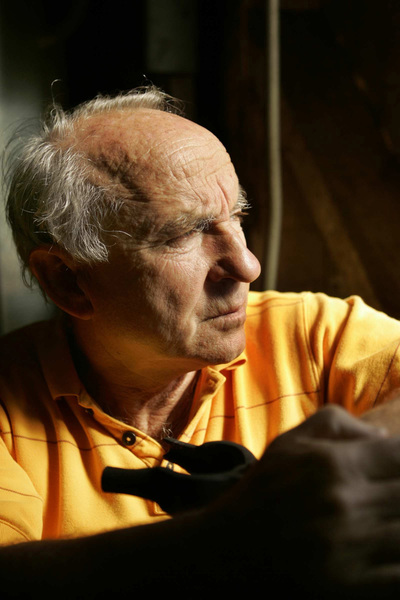
Over the past 11 months, Patagonia has waged a war against Trump, Interior Secretary Ryan Zinke, and Utah officials over the protection of Bears Ears and Grand Staircase-Escalante national monuments. In February, it and other outdoor companies clashed with Utah Gov. Gary Herbert over his stance on public lands, leading to relocation of a major trade show out of Salt Lake City. Patagonia ran its first television commercial in its 45-year history in August, featuring its founder Yvon Chouinard condemning those who would exploit the Utah land for natural resources.
Patagonia's CEO is Rose Marcario, who was chosen to run the company in 2014 after a career in private equity. Patagonia regards itself as an activist company, but it's still a retailer that needs to make money selling its clothing and outdoor gear.
"Any time that we do something good for the environment, we make more money," Marcario told students at the University of California, Berkeley, in April.
Headquartered in Ventura, Calif., Patagonia employs more than 2,200 people and has offices in six countries. The company does not reveal its financial figures.
Patagonia is structured as a benefit corporation, a designation that gives it the freedom to pursue its environmental mission. According to the lawsuit, it has given more than $89 million to environmental groups and "has invested substantial company resources to amplify their message, using its own marketing platforms and employee time to advocate for their shared conservation goals."
Bear Ears is particularly important to Patagonia because the company sends employees there for product testing, marketing, professional training, and "spiritual and aesthetic enjoyment." The company's executives "have redirected their time and attention from other corporate goals and priorities to the effect to preserve the Bear Ears National Monument." Given how intertwined Patagonia has become with Bear Ears, the complaint argued that the company would "suffer direct and immediate injury from the revocation of the designation of the landmarks, structures, and objects of the Bear Ears National Monument."
Such arguments are directed at the legal issue of standing, a requirement that a plaintiff be sufficiently affected by the matter at issue to have a right to sue.
The complaint isn't Patagonia's first foray into mainstream environmental activism: its Black Friday sales, about $10 million, were donated to environmental causes.
As for the battle against Trump, Zinke, and their environmental policies, Chouinard held nothing back when he denounced the administration this week. "This government is evil, and I'm not going to sit back and let evil win," he said on CNN. When Zinke criticized Patagonia for making clothes in China, Patagonia hit back, accusing him of prioritizing special interest groups. Zinke's press secretary responded by calling Patagonia "fake news."
Meanwhile, Marcario wrote an op-ed for Time magazine explaining why Patagonia decided to sue.
"We won't let President Trump tear down our heritage and sell it to the highest bidder," Marcario wrote. "We're proud to keep fighting with everything we've got."