Aboriginal people who have overcome substance abuse and trouble with the law can find it difficult to get work, a federal inquiry heard on Thursday.
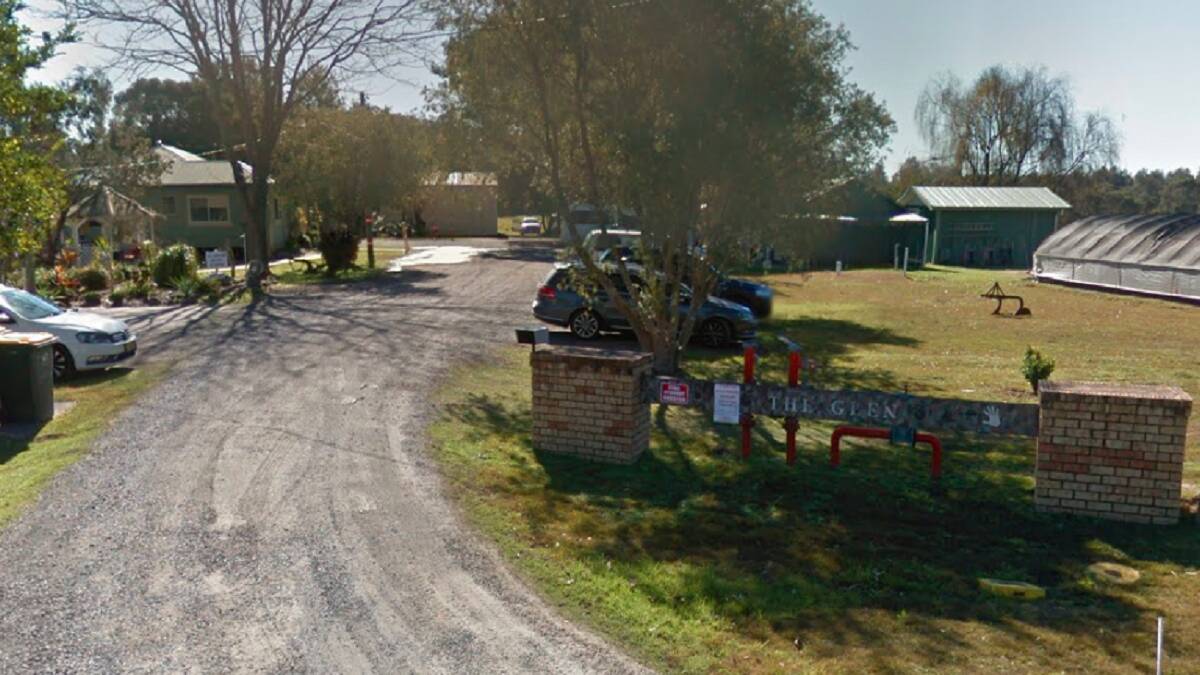
The Glen Drug and Alcohol Rehabilitation Centre on the Central Coast gave evidence to a parliamentary committee examining job opportunities for Indigenous people.
Chris Mason, of The Glen, said those with criminal histories often hit roadblocks after rehabilitation.
Mr Mason said there should be opportunities for those who "take the initiative" and get rehabilitated.
Often, Aboriginal people with drug and alcohol problems come from disadvantaged families and communities caught in cycles of substance abuse.
But those who overcome these problems and approach employment with "a good attitude and work ethic" should be given a go, the inquiry was told.
A major problem, though, was that Aboriginal people often get hit with the "trifecta" of charges - assault police, resist arrest and offensive language.
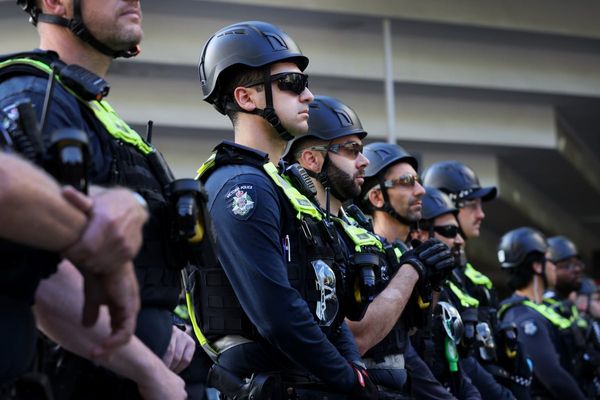
A common scenario discussed at the inquiry involves police confronting an Indigenous person on a night out and suggesting it's time to go home. The person then swears at police, gets manhandled by an officer and resists that.
"A lot of people get suckered into that and it happens quite often," a representative of The Glen said.
When they go for a job, they're hindered because these offences remain on their criminal record.
While some employers may have programs to help more Indigenous people gain employment, they can still face rejection due to past offences like the example given.
Committee member Sharon Claydon, the federal Newcastle MP, cited a lack of affordable housing as another problem for rehabilitated people trying to gain employment.
Mr Mason said a lot of rehabilitated people at The Glen had to knock back work opportunities in Sydney and Newcastle because of a lack of affordable housing.