If you’re a parent feeling a modicum of dread about the upcoming school holidays, you’re not alone. Many parents will be working from home over the school holidays and wondering, “how am I going to juggle online meetings in the absence of online schooling?”
It’s likely the school holidays will bring a tangle of feelings: stress, guilt, sadness or anger that many of the usual school holiday family activities will be off the table due to lockdowns. Then there’s fear the additional unpaid duties created for working parents (especially women) will be more pronounced. Many feel pressure to find ways to keep the kids occupied.
I’m a psychologist, a former school psychologist and have lived experience of being a working parent with two teenagers in lockdown. My advice to parents is to take the pressure off yourself.
Let your children embrace boredom and don’t try too hard to create the perfect lockdown holiday. Do what you can now to warn your employer your attention might be even more divided than usual over the next few weeks.
Read more: We asked over 2,000 Australian parents how they fared in lockdown. Here's what they said
Embrace the boredom
Home schooling, while challenging, has the advantage of occupying children and teenagers for a good chunk of the day. It can provide structure and routine to the stay-at-home blur.
Without school, locked down children and their parents are left to contemplate whatever will they do in all the waking hours of a two-week holiday at home? Do I hear a small voice saying, “I’m bored”?
Many parents instinctively react by trying to think of things for their child to do but have a go at resisting that urge. When they say, “I’m bored”, you say “Great! Now off you go.”

A growing body of research evidence suggests boredom in children can make them more creative, with one study describing how:
previous research has shown that individuals use daydreaming to regulate boredom-induced tension, thus suggesting that daydreaming is used as a coping strategy for dealing with the unpleasant state of boredom.
Daydreaming is important. The same study notes how US psychologist Jerome Singer described daydreaming
as shifting attention from the external situation or problem to the internal representation of situations, memories, pictures, unresolved things, scenarios, or future goals.
Your children might complain they’re dying of boredom, but they are not. It may even be good for them.
For children, school holidays are a time to refresh and recharge. It offers some time out from the routine and learning expectations of school. Boredom and long periods of unstructured play are part of that refresh.
Read more: Books offer a healing retreat for youngsters caught up in a pandemic
A role for employers
A recent study of Australian parents revealed a significant number of parents have increased rates of depression, anxiety, stress and strained family relationships during the pandemic compared to pre-pandemic times.
With school holidays looming, employers should be looking for practical ways to help working parents through the next two weeks. This might include:
delaying deadlines where possible
asking whether those long online meetings are really necessary or productive
giving working parents permission to take leave, even half-days, to allow for a more manageable balance of paid and unpaid work.
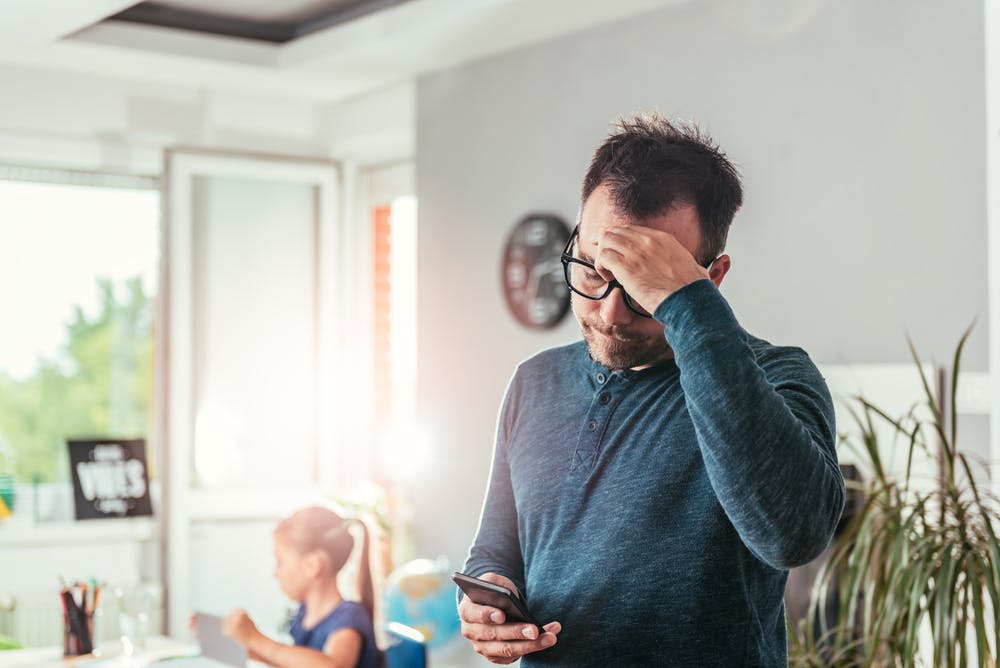
For parents, think carefully about how to communicate your needs to your workplace and your family.
If you have older children, set boundaries around your time — talk to them about your work, let them know what you are doing and why.
Most of all, know you are not alone. You are part of an amazing and resilient tribe of locked down working parents all experiencing the same highs and lows of school holidays at home – and during a global pandemic.
It’s not going to be perfect, but it will be OK in the end.
If this article has raised issues for you, or if you’re concerned about someone you know, call Lifeline on 13 11 14.

Monica Thielking does not work for, consult, own shares in or receive funding from any company or organisation that would benefit from this article, and has disclosed no relevant affiliations beyond their academic appointment.
This article was originally published on The Conversation. Read the original article.