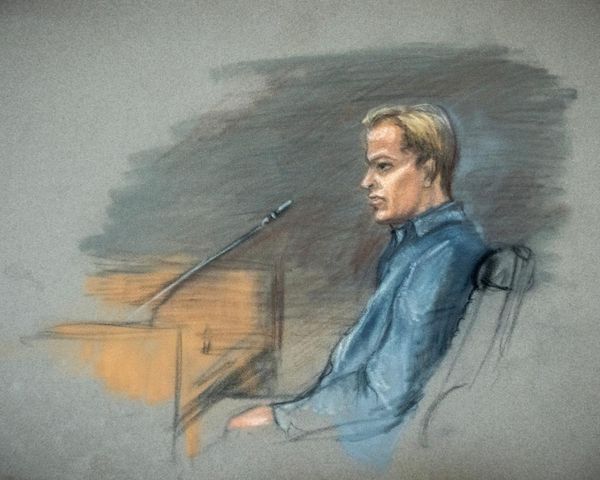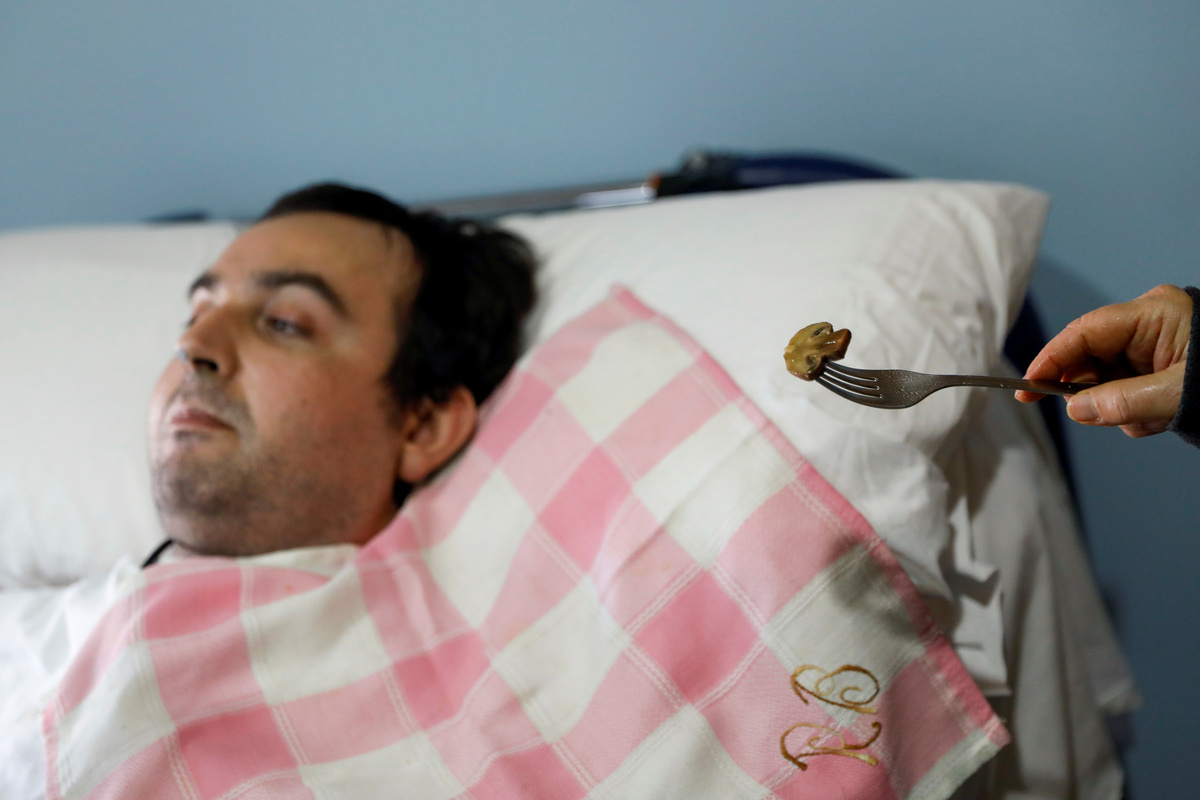
Paralysed from the neck down after suffering a car crash at 19, Rafael Botella, now 35 and in pain, is relieved that the Spanish parliament is set on Thursday to approve a law to allow euthanasia and assisted suicide.
Botella thought of ending his life when agonizing pain confined him to his bed six years ago. Though he has since changed his mind, he wants the option to do so legally.
Despite opposition from the political right and religious groups, once signed into law, Spain will become the European Union's fourth country to legalise the practice after Belgium, Luxembourg and the Netherlands. A similar plan in neighbouring Portugal suffered a setback this week.
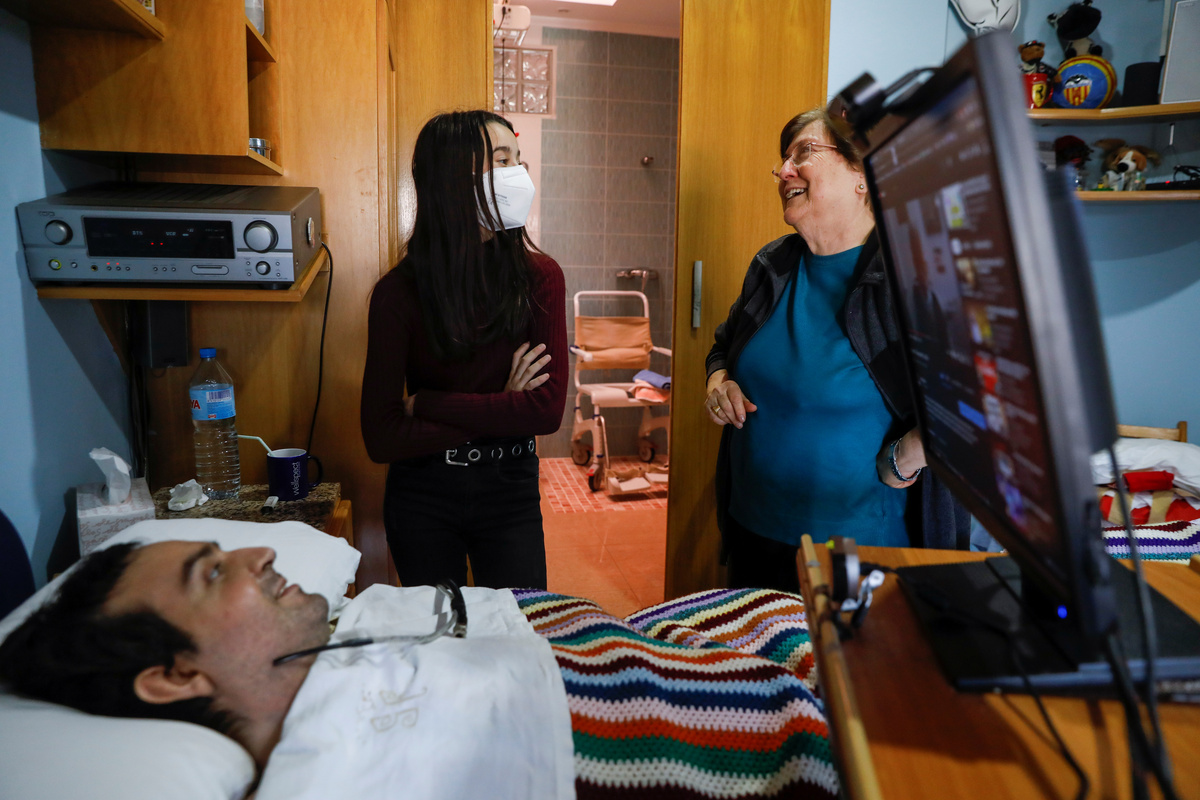
"If for some reason someone is tired of living, no one has the power to tell him 'no, you will live because my voters or my ideology tell the contrary'," Botella told Reuters in his family home in Simat de la Valldigna, in the eastern Valencia region.
Before getting out of bed became too painful, he led an active lifestyle, skydiving, paragliding and going to hardcore techno music festivals abroad in his wheelchair.
"I enjoyed life. (The accident) took away my movement but gave me time to do things I could never have done otherwise", such as visiting a motorcycle racing team before a MotoGP race, he said.
When the pain became unbearable, he sought help from the Spanish Association for the Right to Die with Dignity, which convinced him to try different medical solutions and keep himself busy with projects.
'BULLET IN THE CHAMBER'
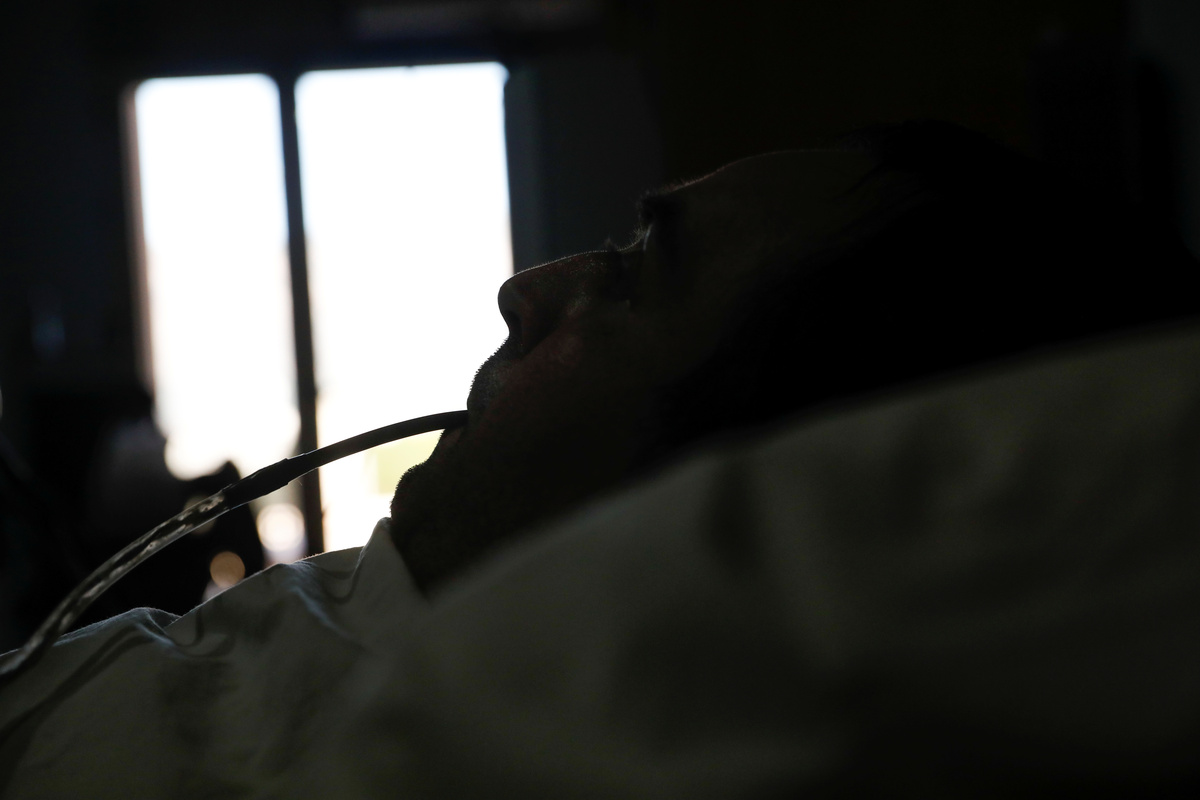
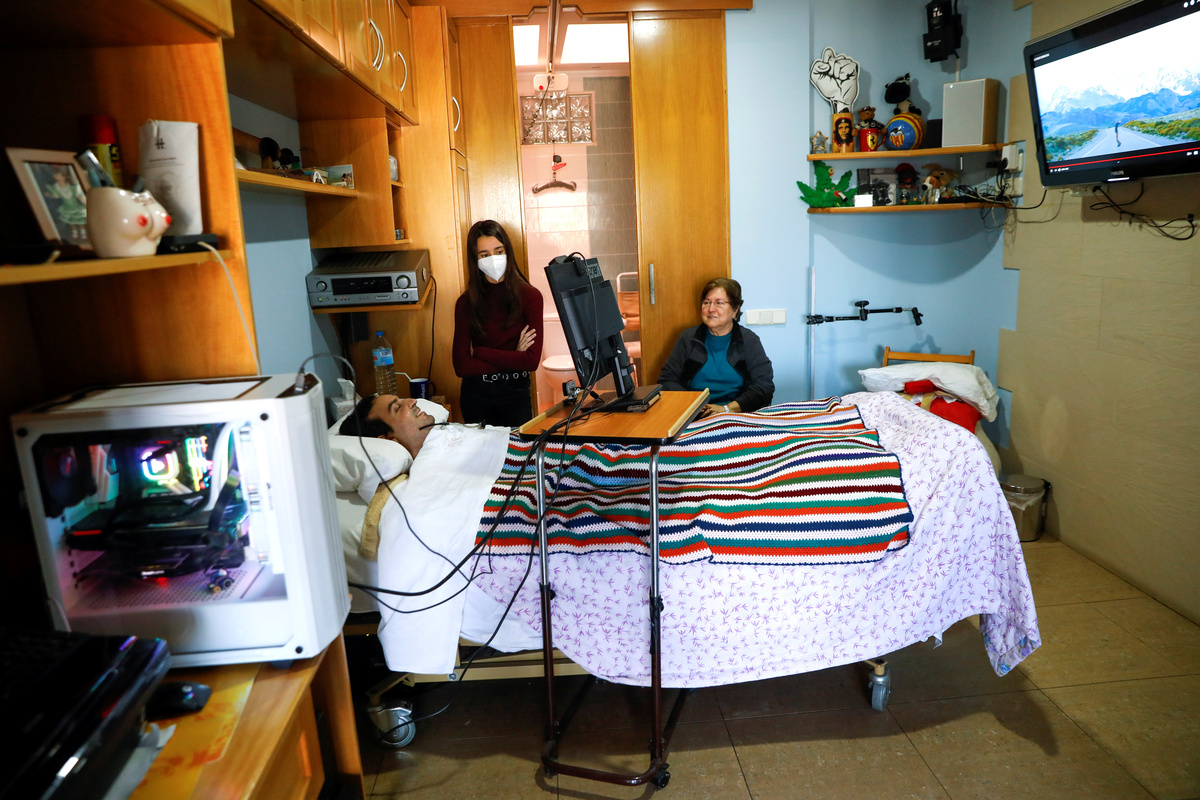
In the care of his 75-year-old mother, he tries to keep the pain in check by doing brain exercises, is writing a book on his experience and making a short film about the problems faced by a paralysed person against the backdrop of techno festivals.
Using his nose, he has learned to mix music on his computer and edit videos, and hosts live DJ sessions via Facebook.
Nevertheless, he wants to have all options available:
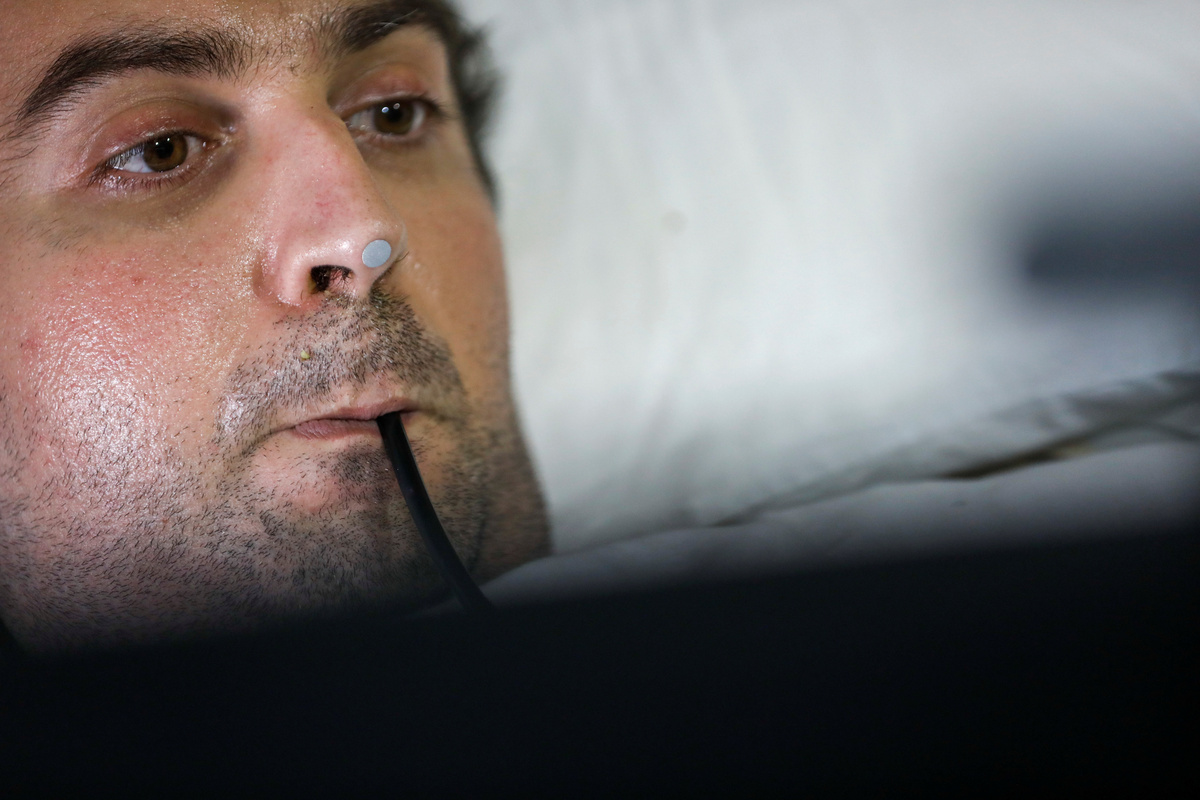
"I want a bullet in the chamber so that if I ever need it, I can use it," he said, in a figurative reference to medically-assisted suicide.
"If I don't need it, all the better. We all need that bullet, we can all fall into a very dour situation."
Almost 90% of Spaniards are in favour of decriminalising the practice, according to a 2019 opinion poll. But for now, helping someone end their life carries a jail term of up to 10 years. Once the new bill enters into force euthanasia and assisted suicide for people with serious and incurable or debilitating diseases that cause unbearable suffering, will be legal.
Euthanasia has long grabbed public attention in Spain, which has the world's fourth-highest life expectancy, and more notably so since paralysed man Ramon Sampedro recorded his assisted suicide in 1998 after being denied that right by courts.
His story was taken to the screen in 2004 Oscar-winning film "The Sea Inside".
In 2019, Spaniard Angel Hernandez was briefly arrested after helping his terminally ill wife end her life, sparking public outcry. He is awaiting trial, facing a potential six-month prison sentence.
"People say it's polemic, but I'd rather consider it an act of love," Botella said of Hernandez's case.
(Reporting by Oscar Corrons; Writing by Emma Pinedo, editing by Andrei Khalip, Ingrid Melander and Emelia Sithole-Matarise)