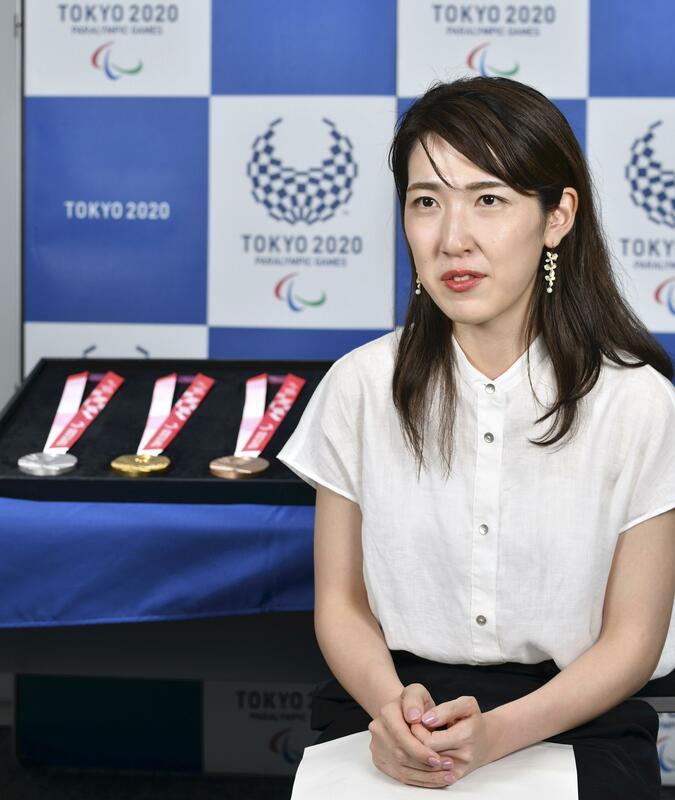
For Sakiko Matsumoto, finally seeing athletes on the podium at the Tokyo Paralympics wearing medals around their necks was touching for more than one reason.
Well before all the athletes' incredible performances -- overcoming varying kinds and degrees of disabilities -- Matsumoto had poured her heart into designing the winning Paralympic medals, creating a medal that would express their hard work and dedication on a global stage.
"That was very touching," Matsumoto said.
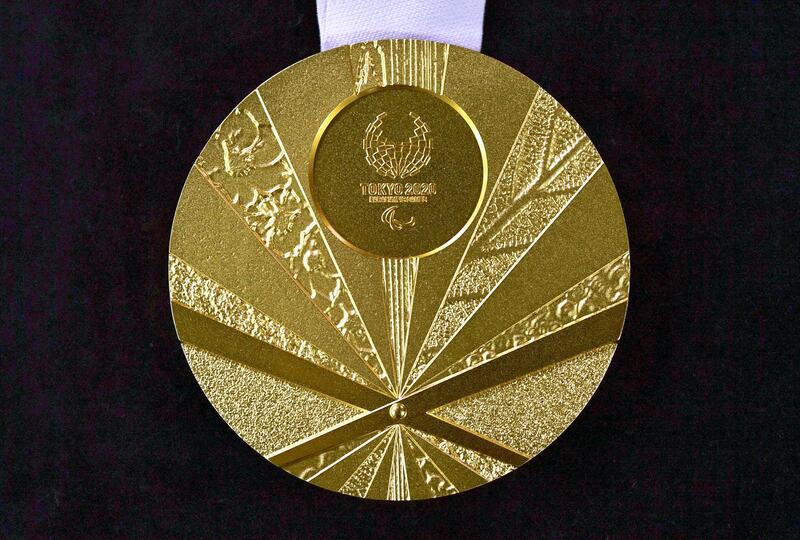
Matsumoto entered the medal design competition in January 2018. Her design was inspired by traditional Japanese folding fans.
"I chose the fan because I want people many years from now to remember that these Paralympics were held in Japan," said Matsumoto, 32.
The rivet that holds the leaves of the fan together represent the athletes, and depict them as the source of a new wind blowing around the world. Motifs on the fan portray rocks, flowers, wood, leaves and water -- five life-giving elements of nature.
To accurately portray these elements, Matsumoto collected and carefully observed rocks that had fallen onto a roadside; cherry tree leaves and blossoms that had bloomed near her workplace; water that had boiled in a pot; and timber she bought at a home center.
Matsumoto works at an advertising company, where she mostly designs toys for children at fast-food outlets. For Matsumoto, good design hinges on whether it clearly conveys a message to another person.
After her medal design was selected as the winner, Matsumoto heard a comment from Paralympic swimming legend Junichi Kawai, who was one of the judges. "I can't tell which medal is the gold one," said Kawai, who is visually impaired.
This comment prompted Matsumoto to tweak her design to help visually impaired athletes to tell which medals are which. She gave the gold medal a single indentation on its edge, while the silver medal now has two and the bronze three.
The medals are made from metals recycled from old mobile phones and other electronic devices. According to Matsumoto, some people even donated phones that were precious to them because they had belonged to a family member who had died. The families offered these phones because their loved one had said they wanted to see the Olympics and Paralympics.
"I feel so happy when I see the athletes smiling broadly while they hold up these medals that are filled with the feelings and hopes of many people," Matsumoto said.
Read more from The Japan News at https://japannews.yomiuri.co.jp/