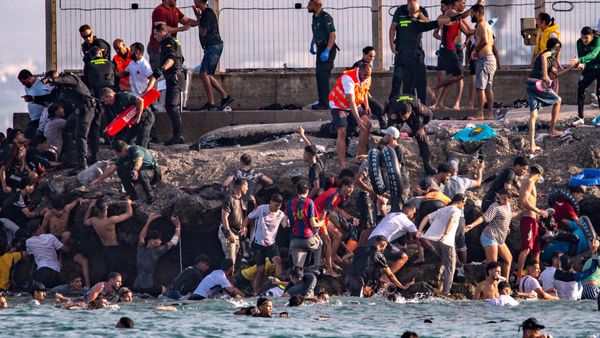
Ireland’s fuel supplies are facing critical shortages as a days-long blockade of major depots by hauliers and agricultural contractors continues to escalate.
The widespread action, now entering its fourth day, has prompted warnings of severe disruption to essential services and potential animal welfare issues across the country.
Protests, which began on Tuesday with slow-moving convoys and restricted access to Dublin’s streets, have intensified into blockades of key fuel distribution hubs, including a major oil refinery in Whitegate, Co Cork, and depots in Galway City and Foynes, Co Limerick. Demonstrators are demanding further government action to address soaring fuel costs.
The Irish police service, An Garda Siochana, has announced it is entering an "enforcement" phase of its response, supported by the military. Social media footage from Thursday evening showed gardai warning protesters near Rosslare Europort in Co Wexford that they faced arrest if they did not disperse peacefully.
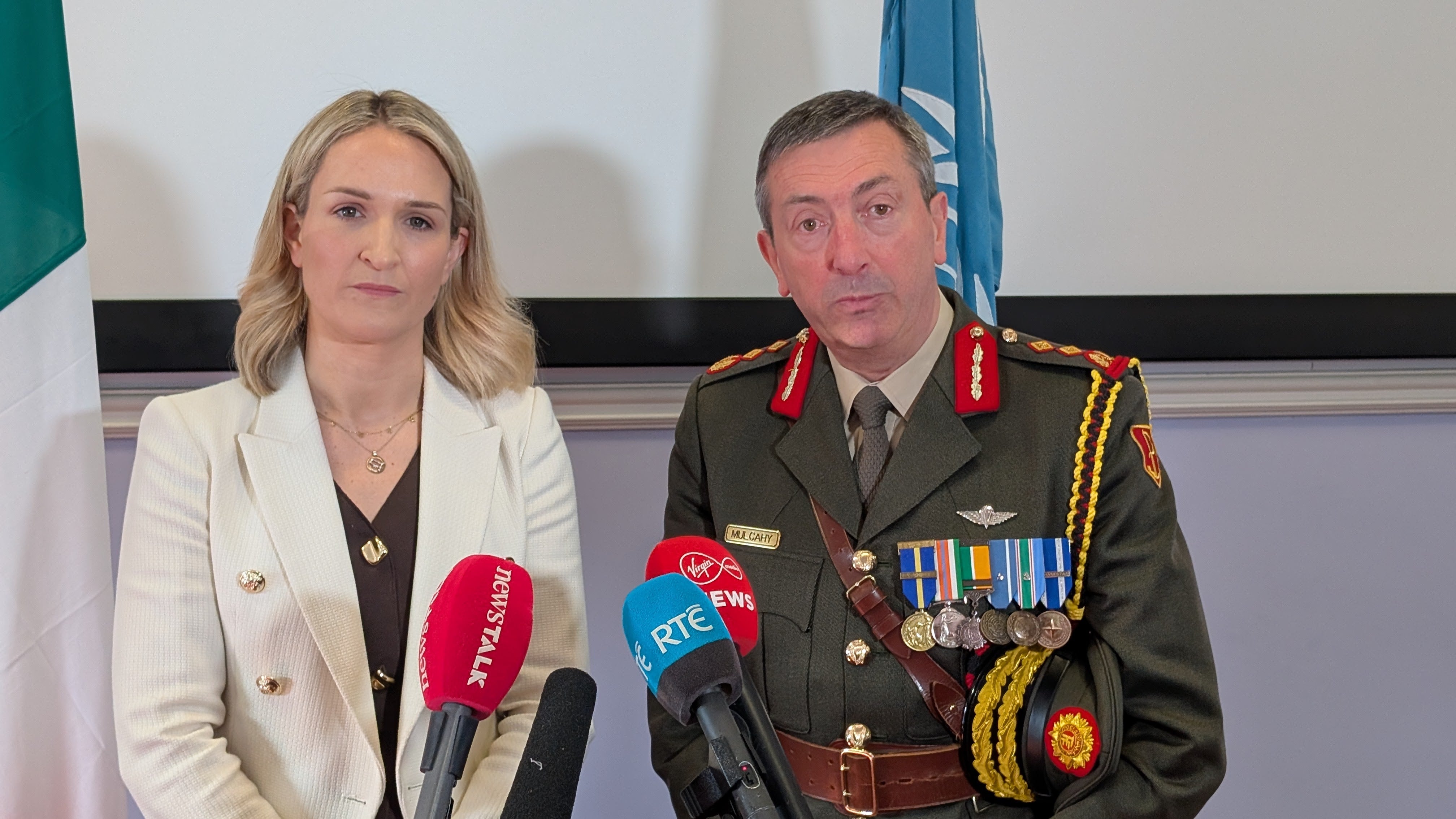
Justice Minister Jim O’Callaghan and Defence Minister Helen McEntee confirmed that the Defence Forces "remain on standby" to assist police in clearing heavy vehicles.
The blockades have already led to forecourts running dry and widespread panic buying. Kevin McPartland, chief executive of Fuels For Ireland, warned that the number of affected service stations, currently in the "low double digits", would get "much, much worse".
He added that "panic buying has absolutely taken hold" and that "real significant life-death problems are going to be caused" due to threats to emergency service vehicle fuel supplies.
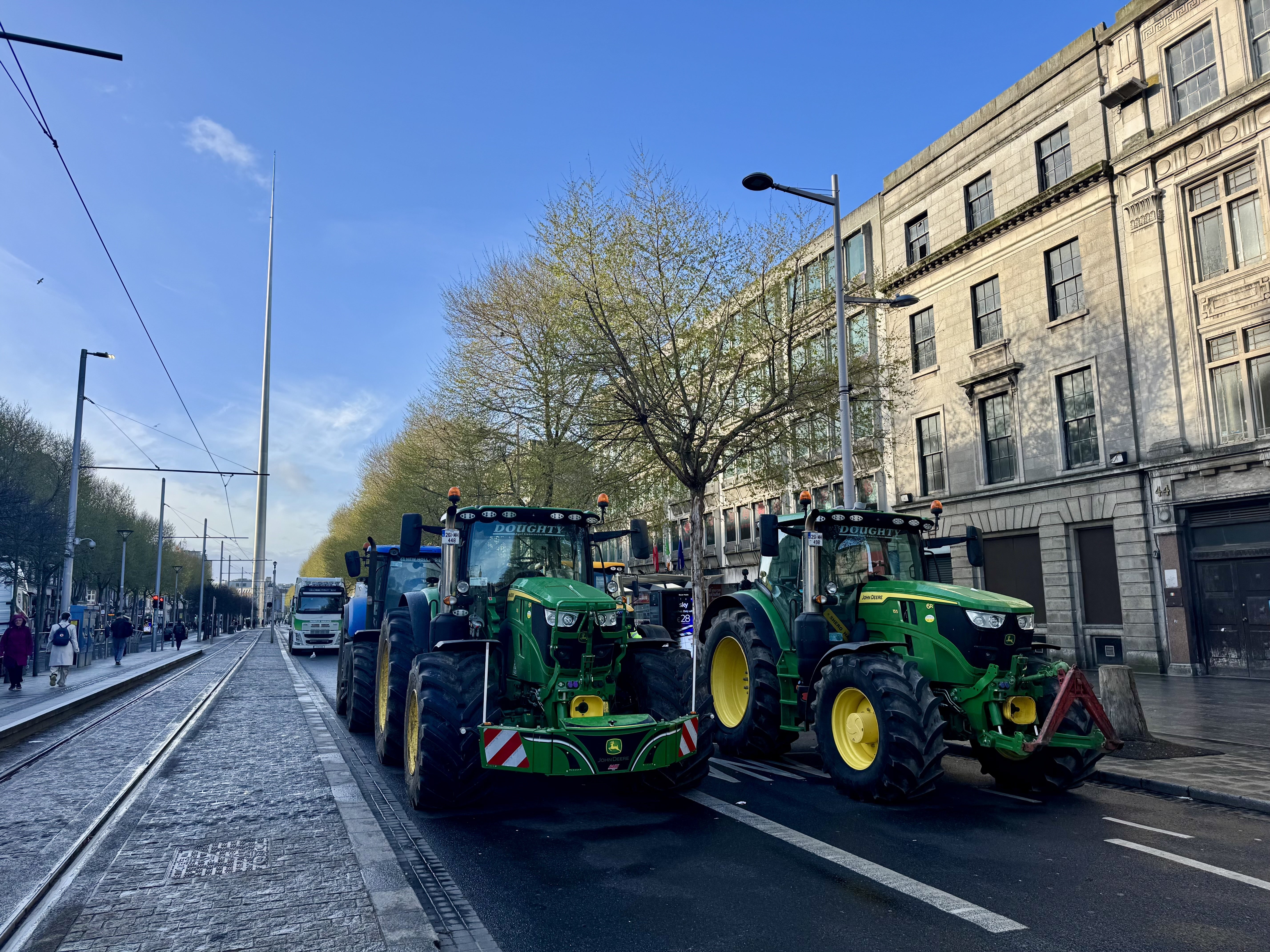
Ireland’s emergency planning group echoed these concerns, highlighting potential impacts on vital services, supply chains, and public transport.
While the National Emergency Co-ordination Group (NECG) stated that overall fuel supplies remain "robust and resilient", it cautioned that the obstruction of key routes is threatening the provision of animal feed, fertiliser, and other vital materials, risking animal welfare issues and agricultural livelihoods.
The Health Service Executive (HSE) has also reported significant disruption, with people missing medical appointments and impacts on home care and critical treatments such as dialysis and cancer care.
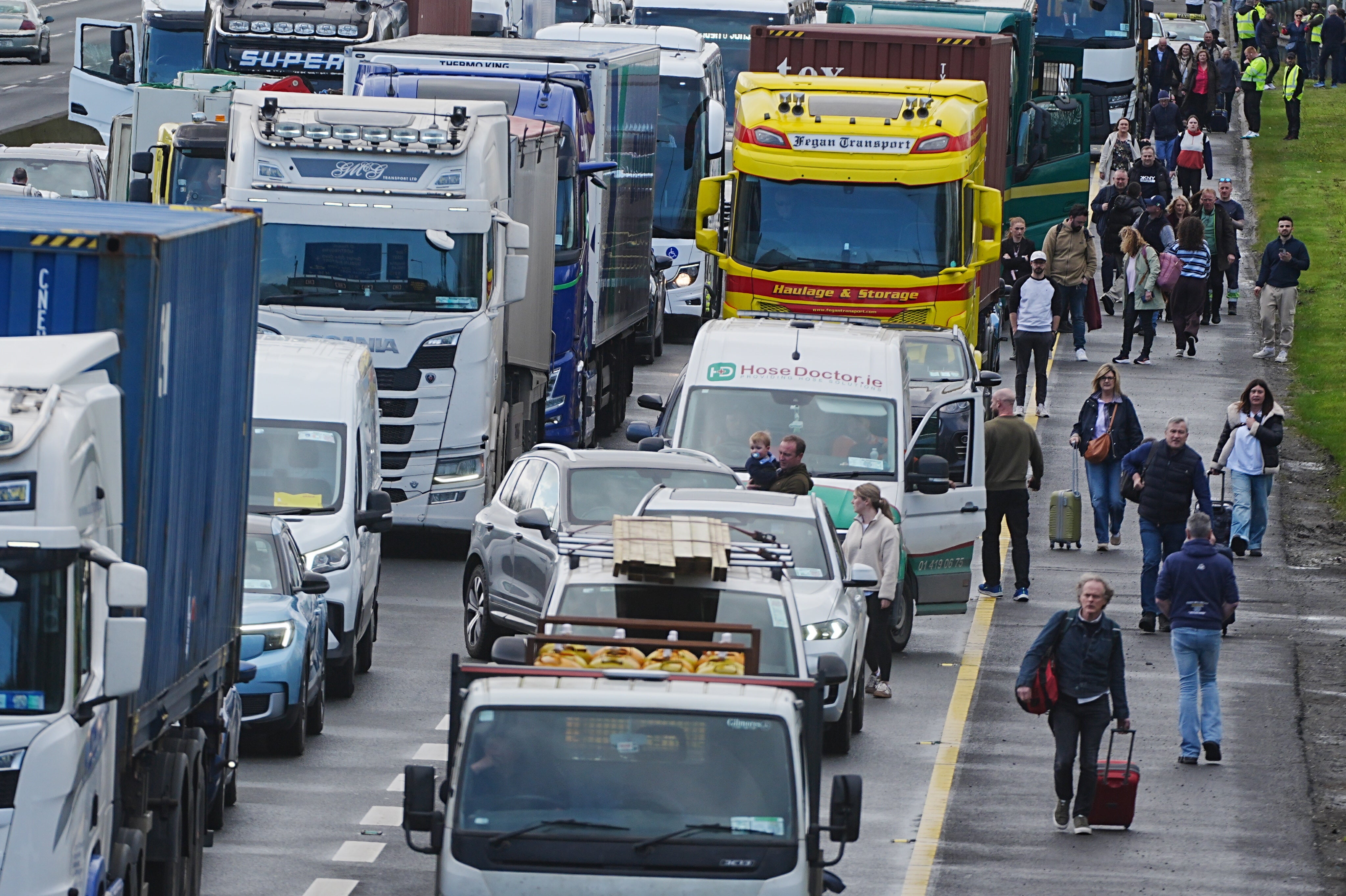
The HSE further warned that the blockades could impede the time-sensitive delivery of essential medicines and medical devices. Some protesters may attend a meeting with the Government on Friday, originally scheduled for national representative bodies.