The Ministry of Agriculture and Cooperatives is signalling the national committee on hazardous substances should delay the move to impose a total ban on the use of a controversial herbicide in farming to 2021.
The committee is due to meet Thursday to decide on whether to ban the herbicide paraquat, and restrict the use of chlorpyrifos and glyphosate.
On Wednesday, members of the Pharmacy Council organised a small public protest to demand an immediate ban on paraquat, glyphosate and chlorpyrifos by the end of the year.
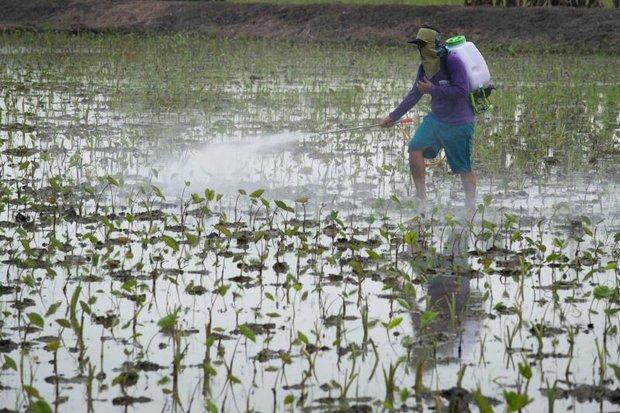
Already banned by a number of countries because of the risks they pose to human health, the three are still commonly used by Thai farmers in the cultivation of corn, cassava, sugarcane, rubber, oil palm, and fruits.
On Tuesday, Minister of Agriculture and Cooperatives Grisada Boonrach invited director-generals and other senior executives from his ministry -- some of whom are members of the committee on hazardous substances -- to discuss the ministry's position on the matter.
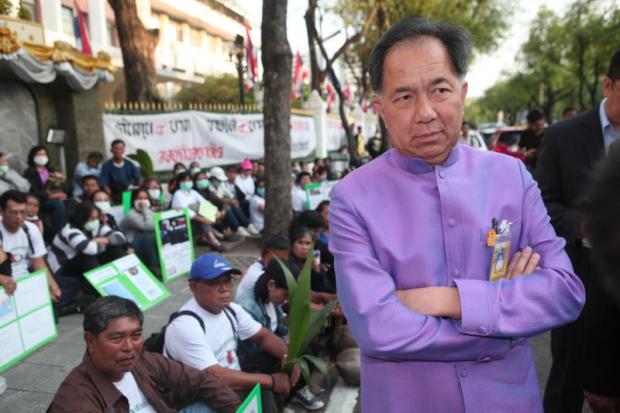
A source from the meeting said the ministry wants the ban on paraquat to be imposed in 2021 instead. "For the time being, the ministry will issue an announcement to limit its import, and restrict its usage to very specific areas," the source told the Bangkok Post.
After the meeting, Mr Grisada said the ministry believes that no toxic chemicals should be used in the agricultural sector, and it will provide further recommendations to limit the use of the herbicides and their alternatives.
"The committee, however, has full authority to make the decision on whether or not to ban them all," he said.
Last week, the government's committee, formed by the prime minister, forwarded its opinion on the use of the herbicides, as well as the results of a study carried out by the National Research Council of Thailand (NRCT), which recommended a total ban.
Meanwhile, the Office of the Ombudsman last December submitted its suggestion to the national committee on hazardous substances, that it should ban paraquat by Jan 1, 2020.