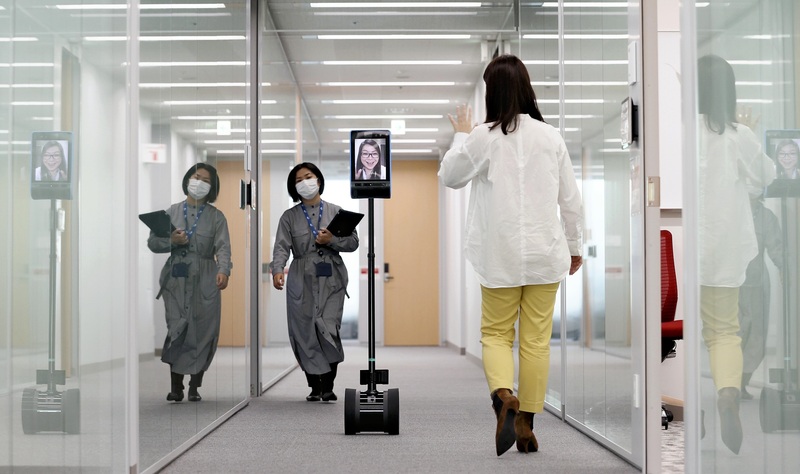
The face of an employee working remotely is displayed on the screen of a robot moving through the halls of a company, cheerfully greeting colleagues with "thank you for your hard work."
These robots move around the offices of Janssen Pharmaceutical K.K. in Chiyoda Ward, Tokyo, a pharmaceutical company that has reduced physical employee attendance by 70% through telework. They are particularly popular during meetings because unlike videophones, the user can change camera directions, making it easier to take in more of their surroundings.
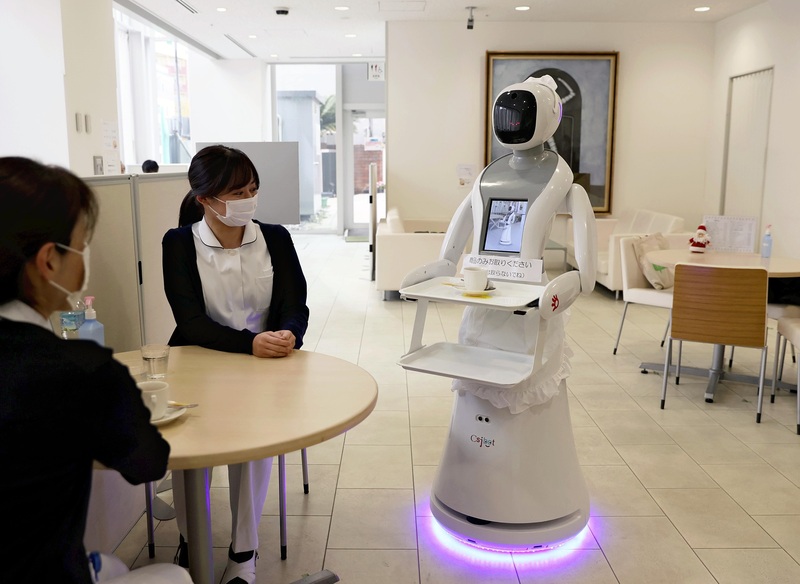
Indirect social interaction has become essential amid the pandemic, and many companies are turning to robots for help. In the tea room at Yukioka Hospital in Kita Ward, Osaka, a robot serves customers after a staff member indicates the table number, reducing contact between employees and customers.
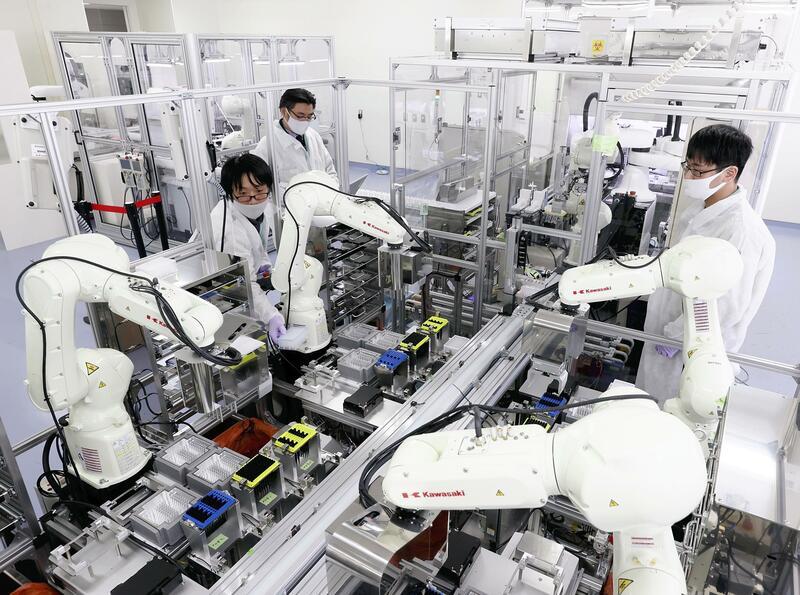
In many cases, robots developed for other purposes have been adapted to the cause of social distancing. Medicaroid Corp. in Kobe -- a joint venture between Kawasaki Heavy Industries, Ltd. and Sysmex Corp., a major medical equipment maker -- is developing a system with the support of Kobe City and in cooperation with its parent companies, in which a robot automatically carries out a series of tasks ranging from the collection of a PCR sample to determining test results.
The participants in this venture are aiming for practical application of the system within fiscal 2020.
An industrial robot once in charge of assembly and painting in an automobile factory has been adapted for the task.
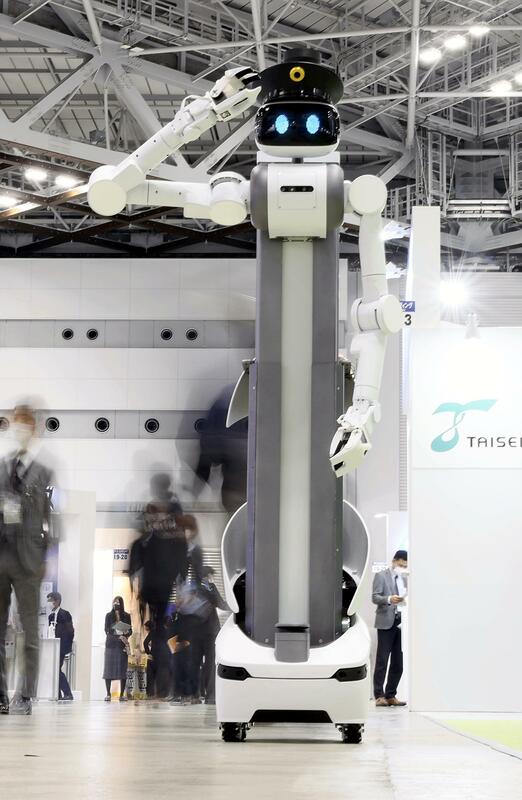
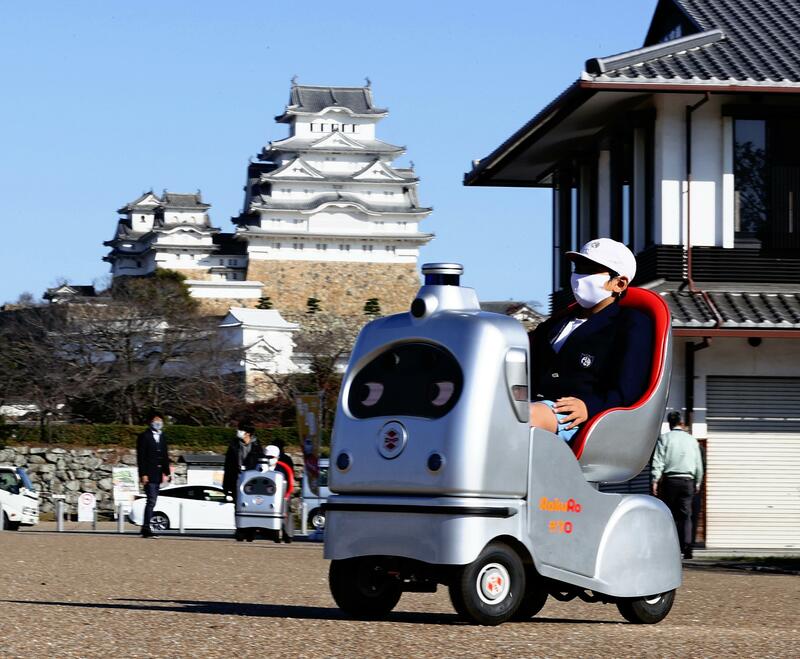
Various demonstrations are being conducted in many locations.
"It's the age of robots," said an official at the development company.
Even more new ways of living, spurred by the pandemic, are expected to be developed this year.
Read more from The Japan News at https://japannews.yomiuri.co.jp/