The new coronavirus pandemic has cast a dark shadow on the environment for workers across the nation. More than 10,000 people have been dismissed from their jobs or saw their job contracts terminated for reasons related to the outbreak. Some of these workers have filed lawsuits to seek a nullification of their dismissal. Disputes between labor and management taken to court may increase sharply.
"The company did not even provide a detailed explanation of its business conditions, though I've been working for the company for more than 15 years," said Masaya Ishikawa, 57, who worked as a driver for a taxi company in Kokubunji, Tokyo, without hiding his anger.
According to Ishikawa, about 30 drivers in all were suddenly notified of their dismissals in the middle of April. "We are unable to continue business due to declining sales caused by the spread of infection," the company told its drivers.
Ishikawa's monthly income of about 200,000 yen has dropped to nothing. It is difficult to change jobs in other fields at his age. He can live off his savings for about a year.
On May 8, Ishikawa sought a provisional injunction with the Tokyo District Court to nullify his dismissal.
"The company has been neglecting its management efforts for a long time," Ishikawa said. "I don't think it makes an effort to avoid dismissals. It's an unfair practice, piggybacking on the spread of new coronavirus infections."
Taxi companies in many parts of Japan are in trouble due to people's continued self-restraint for going out.
The Royal Limousine group, which operates in Tokyo and the Kansai region, also decided in April to dismiss its workers en masse. However、 it withdrew the dismissals after 81 workers including drivers filed a motion with the Tokyo District Court to nullify the decision.
The worsening employment situation is spreading to many fields of business.
According to Tokyo Shoko Research Ltd., a private credit research company, a total of 172 companies have gone bankrupt related to coronavirus pandemic as of Friday, with the restaurant, hotel and clothing sales industries most affected.
Tokyo Mimiu, which operates Mimiu Japanese restaurants in the Kanto region, has asked all of its about 150 employees to resign.
According to the Health, Labor and Welfare Ministry, as of Thursday, 10,835 people had been dismissed or saw their contract terminated. Also, a total of 98 new graduates had their job offers withdrawn.
In a telephone consultation in April by the Labor Lawyers Association of Japan, a group of lawyers tackling labor issues, 63, or 15%, of 417 consultations were about dismissals or terminations of job contracts. Because many temporary workers operate on three-month job contracts, it is feared that many temporary workers who renewed their contracts at the beginning of the fiscal year may be forced to leave their jobs soon.
After the collapse of Lehman Brothers in 2008, a social problem emerged in which a large number of temporary workers saw their contracts terminated. At the time, the decline was mainly due to a deterioration in the performance of the manufacturing sector, which was caused by shrinking overseas demand.
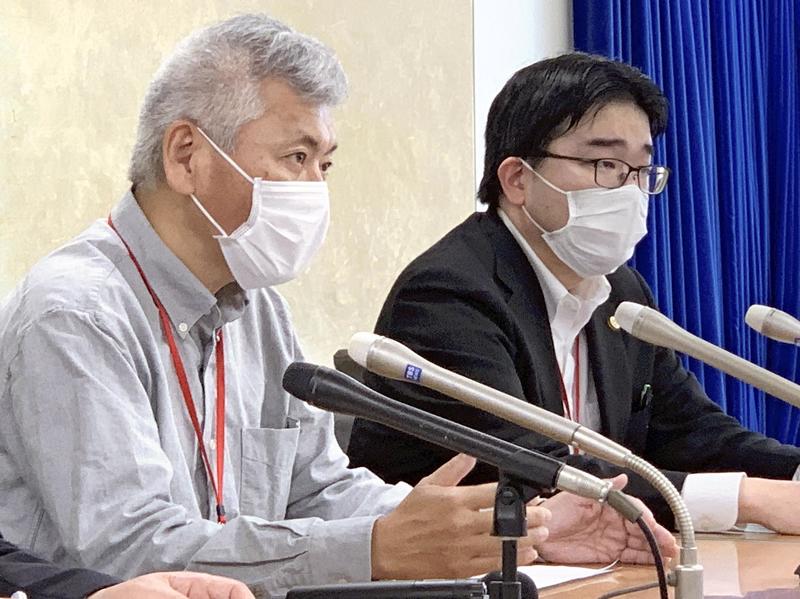
"This time, the economy as a whole is expected to shrink drastically due to such factors as refraining from going out and the requests for shop closures," said Hideki Mizuno, a lawyer from the association. "Compared with the Lehman shock, the crisis has had effects on a wide range of businesses and regions, and there is a risk that more jobs will be lost."
Even if the spread of infections abates, the employment situation will not necessarily improve.
It was in 2009 that labor-management disputes related to the collapse of Lehman Brothers surged. According to Supreme Court statistics, 3,218 civil lawsuits related to labor affairs were filed in district courts in 2009, up by about 30% from 2,441 cases in the previous year. Of the total, 50% were demands for the payment of wages and allowances, while 30% sought nullifications of dismissals.
"It is almost certain that disputes in court will increase sharply again this time," one veteran judge said. "It is only after the state of emergency is lifted in all prefectures that eyes must be kept on such developments."
Read more from The Japan News at https://japannews.yomiuri.co.jp/