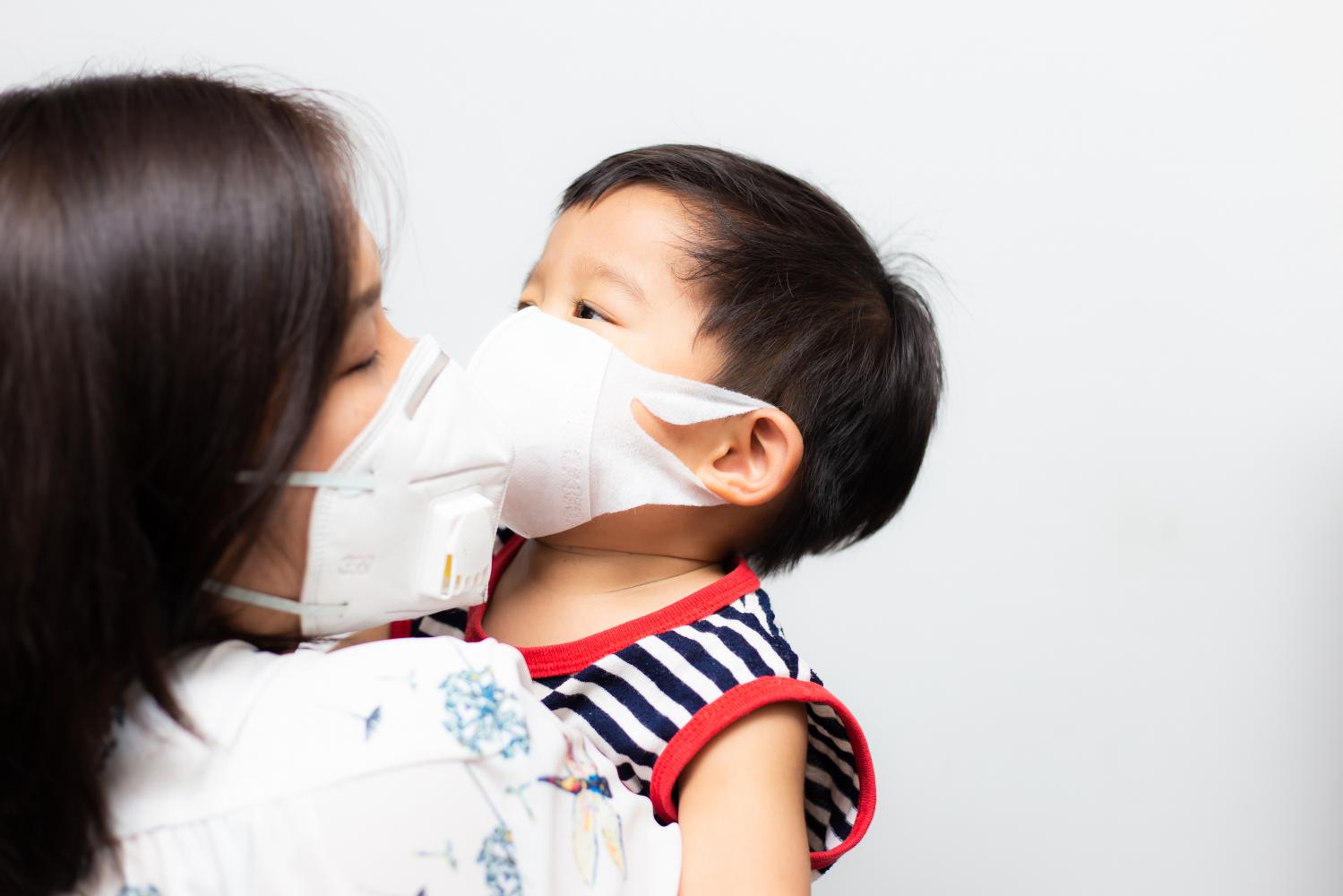
Phannakan Sreetheamsak recalled feeling lonely as an only child and decided she would have two of her own so they could keep each other company. She gave birth to the first child three years ago. Her second pregnancy occurred during the very difficult time of Covid-19. She took pains to avoid risks until the baby opened its eyes in March. Her relatives and friends were not allowed to visit them in hospital -- a departure from the traditional large family gathering.
"We never take the baby anywhere, except the hospital and our grandparents' house, for now. In fact, the baby should get outside and explore nature rather than stay in a stuffy room. We are fully vaccinated, but have minimised contact with outsiders," she said.
Motherhood in times of Covid-19 is a tough challenge. After nine months of pregnancy, mothers have found little support for parenting amid the pandemic, prompting experts to call for longer maternity leave and other welfare benefits. With the enforced and expanded lockdown in dark red zones not to mention curfew and other strict measures, the situation for many new mothers can turn from bad to worse.
Phannakan said the outbreak has caused great hardship for many parents. Some are unable to care for their kids. To some extent, three months of maternity leave and child subsidies are helpful for those in need.
"I got wages for 45 days from my company and another half from the Social Security Office. At least it can help low-income mothers," she said.
Duangnitra Bunnag is another mum juggling her job with childcare. After maternity leave, she is working from home in Pathum Thani. It allows her to spend more time with her baby, but switching roles is stressful.
"I feel like I am helping myself. In my case, the baby was a surprise. It will be a difficult decision for couples who are considering having babies because they must think about many issues, such as vaccination, pregnancy and safety. My friends have postponed it," she said.
She complained of the lack of vaccine choice. After childbirth, she got two doses of Sinovac. Meanwhile, booking for alternative jabs is very competitive.
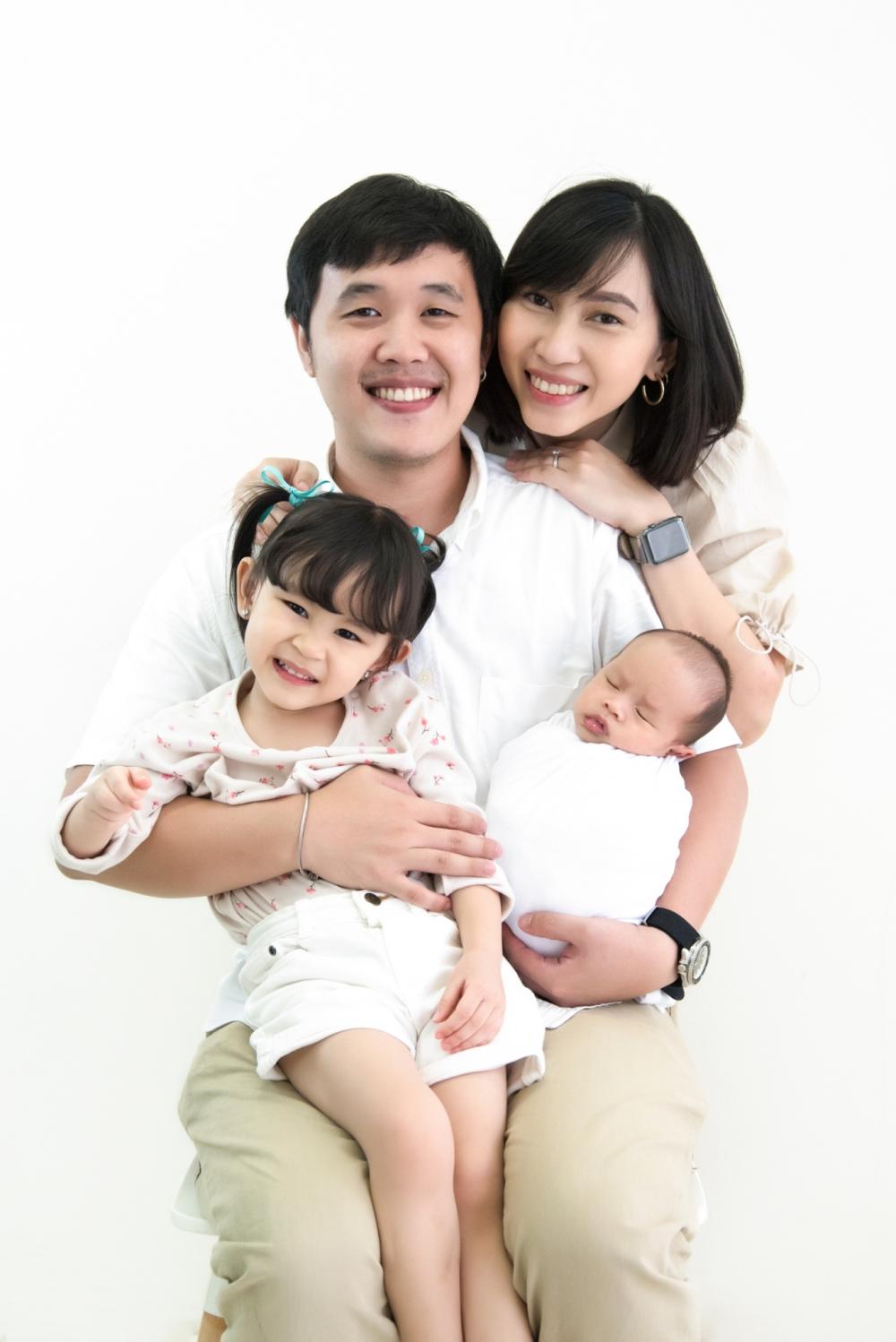
"With the benefit of hindsight, I should have waited for the vaccine that can fight variants. When I got Sinovac, AstraZeneca was not available. At the time, I got what was at hand," she said.
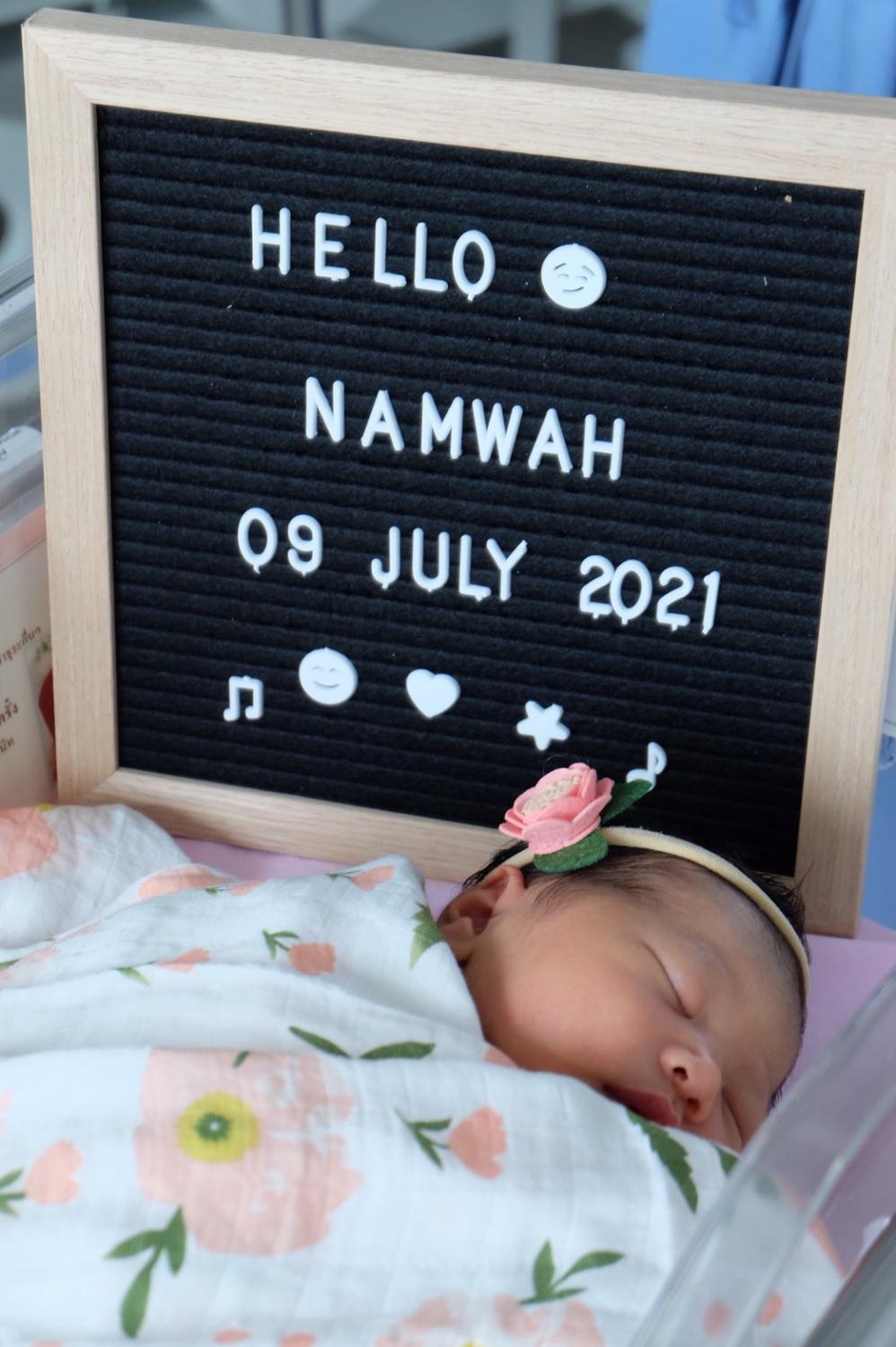
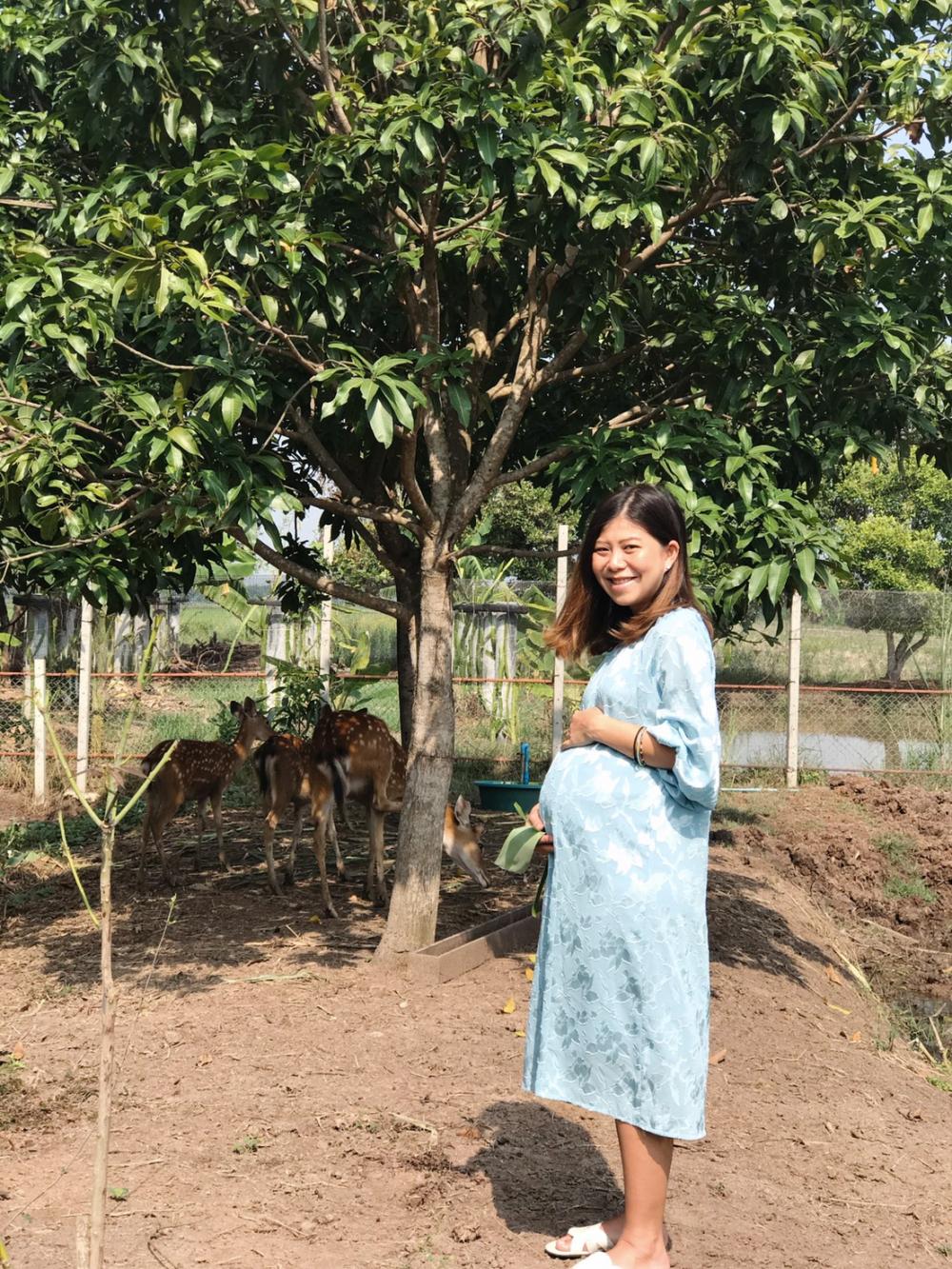
Butsalak Batmark returned to her home in Pathum Thani when the third wave of the outbreak came in April. Her husband is running an organic farm. She started working from home until she gave birth to their baby last month.
"Apart from three months of maternity leave, the government should have implemented other family-friendly policies to make us feel safe. We are a middle-class family, but what about those who barely make ends meet and get pregnant? It is very risky because they are unable to work from home," she said.
Taking refuge doesn't keep the coronavirus at bay. Butsalak expressed concern over household transmission and vaccine access for vulnerable groups, including the elderly, children and pregnant women. She is one of those who have not been vaccinated. Her paranoia has in turn affected breastfeeding.
"I don't want to risk going to the crowded vaccination centre at Bang Sue Grand Station, but I fear to catch the virus from anyone surrounding me," she said.
Prolonging maternity leave
Assoc Prof Dr Sirichai Hongsaguansri, specialist in child and adolescent psychiatry at Mahidol University's Faculty of Medicine, Ramathibodi Hospital, said working from home will allow emotionally available parents to look after babies, but those who suffer from the coronavirus may be too anxious and depressed to make the most of it.
"The relationship between parents and babies in their first two years is foundational to personality development and good mental health. Working from home is a good opportunity, but is not available for everyone because the pandemic has a huge impact," he said.
Dr Sirichai said babies in their first six months don't need exposure to the outside world. In fact, parents should interact with them to create secure attachment. However, the lack of exposure to the outside world will have an effect on three-year-old children because they start going to school. If the pandemic forces them to stay at home, they will be deprived of opportunities to develop social skills. "Parents can compensate for such loss by playing with children like friends. It is not the same, but can help," he said.
He said family-friendly policies should be implemented to provide opportunities for parents to spend more time with babies in their first year. The government should promote breastfeeding and extend maternity leave from three to six months.
"While state agencies can find replacements, private companies may feel reluctant to employ those who plan to get married or have babies soon. I think the government can offer these firms incentives to ensure that women can work and care for babies. In some countries, they are allowed to work on site a half-day and then work from home for childcare. Financial status affects mental stability, which can be felt by children," he said.
Welfare system for mothers
Sunee Chaiyaros, lecturer at Rangsit University's College of Social Innovation, said policies for mothers are far from inclusive because there are many groups of them. Those who are insured under the Social Security Fund are entitled to a 15,000 baht delivery package, but informal workers and single mothers are left behind. Meanwhile, care centres are not available for some parents because they look after toddlers only.
"Newborns and infants end up being raised by grandparents in the provinces because women are working outside. You know, they are not pampered at home by husbands," she said.
Following the outbreak, state and private care centres have been shut down. Young children are deprived of free meals and confined at home under the care of unemployed parents.
Sunee said the cultural belief that women are not breadwinners underlies laws and policies. Factories normally decide to lay them off because they assume that husbands will look after them.
"We need a welfare system for all women, but the state prefers to provide relief for the poor on a case-by-case basis," she said.
She has been campaigning for the universal child subsidy scheme. The group is calling for the expansion of the programme for 4.2 million children from birth to six years of age. This year, it covered around 2 million kids, leaving behind 2.2 million others. At this stage, stateless children are not included.
"In the fiscal year 2022, the budget has been capped at 17 billion baht, but the scheme requires 30 billion baht. The government should fulfil the resolution of the committee on child and youth development promotion," she said.
Last year, the committee approved the guideline on the provision of a 600 baht monthly allowance for young children, starting in fiscal year 2022. To qualify for grants, they must have a household income of less than 100,000 baht per year.
"It is a starting point for protection from cradle to grave," she added.