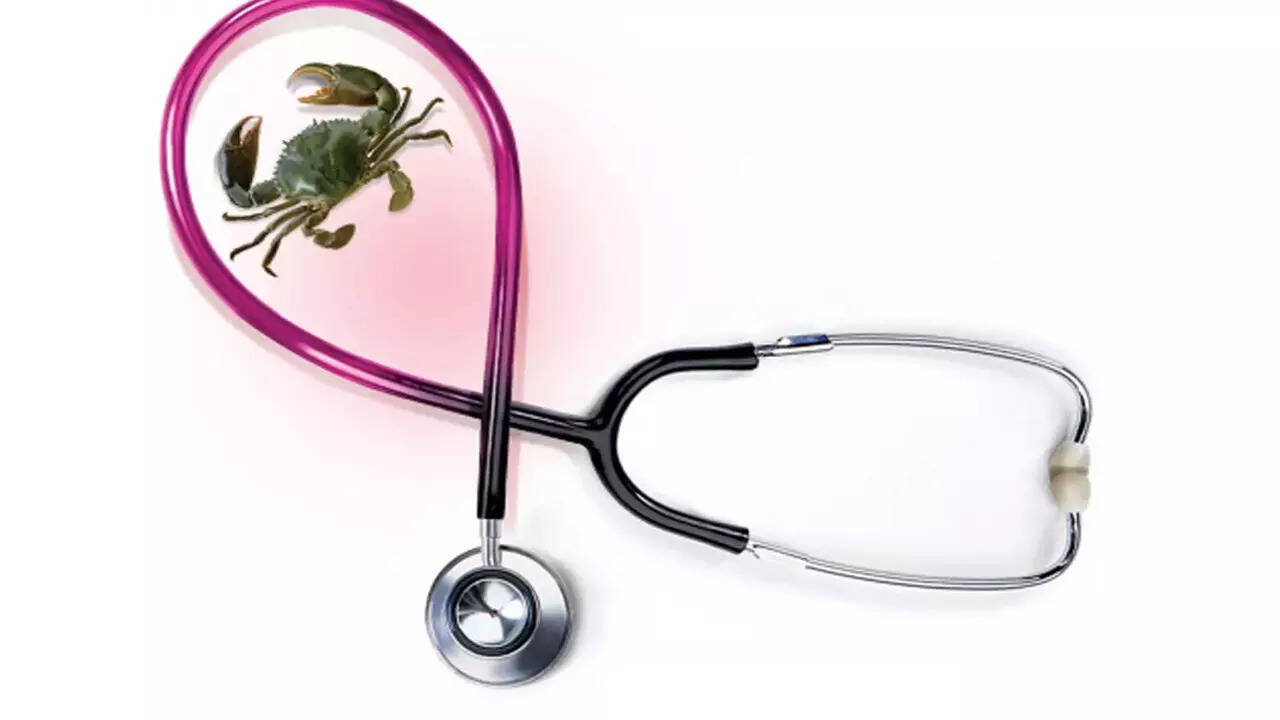
CHENNAI: Oncologists have reported at least a 30% reduction in fresh cases of cancer in Tamil Nadu since 2020 during the Covid-19 pandemic, health experts said on Friday international day for cancer. This will limit outcomes and rate of recovery over the next few years, they said.
At the Cancer Institute in Adyar, for instance, registrations for new cases came down to 7,500 compared to at least 11,000 a year, said Swaminathan R, who heads the department of epidemiology, biostatistics and cancer registry. “This means fewer people had their disease diagnosed,” he said. The institute, which handles the city and state cancer registry, has seen a similar trend across all major hospitals. In addition, hospitals have also noticed delays and disruptions in treatment as most people could not travel during lockdowns and some feared getting infected in hospitals.
The decrease in cases is despite improving the reportage at the registry. “The registry now gets reports online from nearly 50% of hospitals across the state,” he said. Until 2018, the registry was being operated in active mode – which means staff at the institute used to go to every hospital and collect data.
The effect of delayed diagnosis and treatment, oncologists say, is likely to be more severe among women when compared to men. Unlike in developed countries, more women in India are diagnosed with cancer when compared to men. Nearly 40% cases of cancer in women are either cervix or breast cancer, and this skews the cancer ratio across most states in the country, including Tamil Nadu.
During a virtual meeting between doctors, NGOs and healthcare professionals, deputy director of public health Dr Jerard M Selvam said women’s health is low on priority in most households. “One of the most important reasons is lack of awareness about prevention and fear of diagnosis. This is where we think NGOs can help. The state is also sending healthcare workers to people’s doorsteps to ensure the continuation of treatment,” he said.
The government, he said, was working with the Cancer Institute to reduce delays. “We are trying to reduce this delay so that we can gather evidence for better policies,” he said.
Surgical oncologist and head Dr Arvind Krishnamurthy said NGOs should play a more active role in creating awareness on the hazards of smokeless tobacco, which increases the risk of oral cancer. They should also help people reach hospitals early when they exhibit symptoms of mouth ulcers for more than three weeks and ‘close the care gap’.