(This May 14 story has been refiled with tweaked wording in paragraph 2 to make clear not all Palestinians marking Nakba were uprooted in 1948)
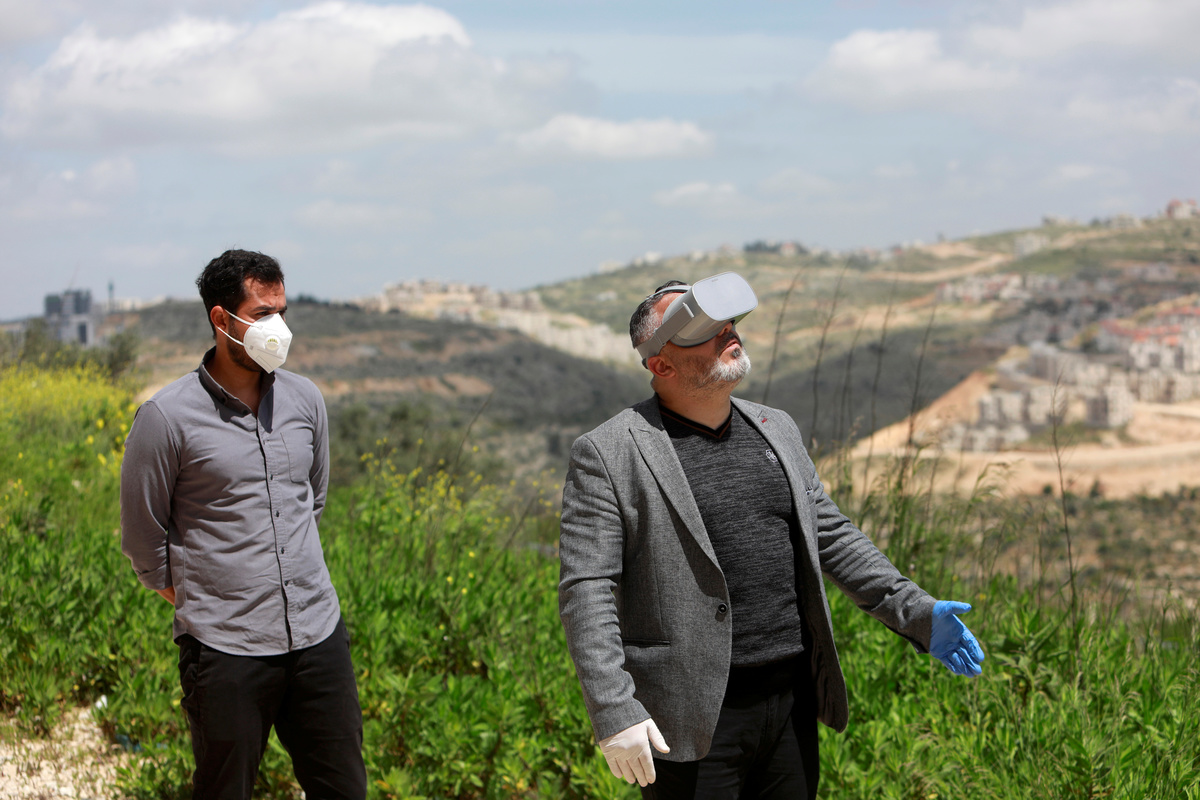
JERUSALEM (Reuters) - Virtual reality tours have replaced flag-waving rallies as Palestinians facing coronavirus restrictions create digital spaces to lament the loss of their physical homeland in 1948.
Cellphone apps and Zoom video chats are among the other online tools being used to mark the Nakba, or "Catastrophe", when Palestinians were forced from their villages or fled in the war that surrounded Israel's creation.
The Nakba is generally marked on May 15 – the day after Israel's Independence Day in the western calendar.
Last year Israeli troops wounded nearly 50 Palestinians during Nakba protests, but rallies were cancelled this year. In the West Bank, Palestinian President Mahmoud Abbas authorized digital activities to mark the anniversary.
While the Palestinians still have no state on the ground, many are finding new ways to remember their past and express their identity online.
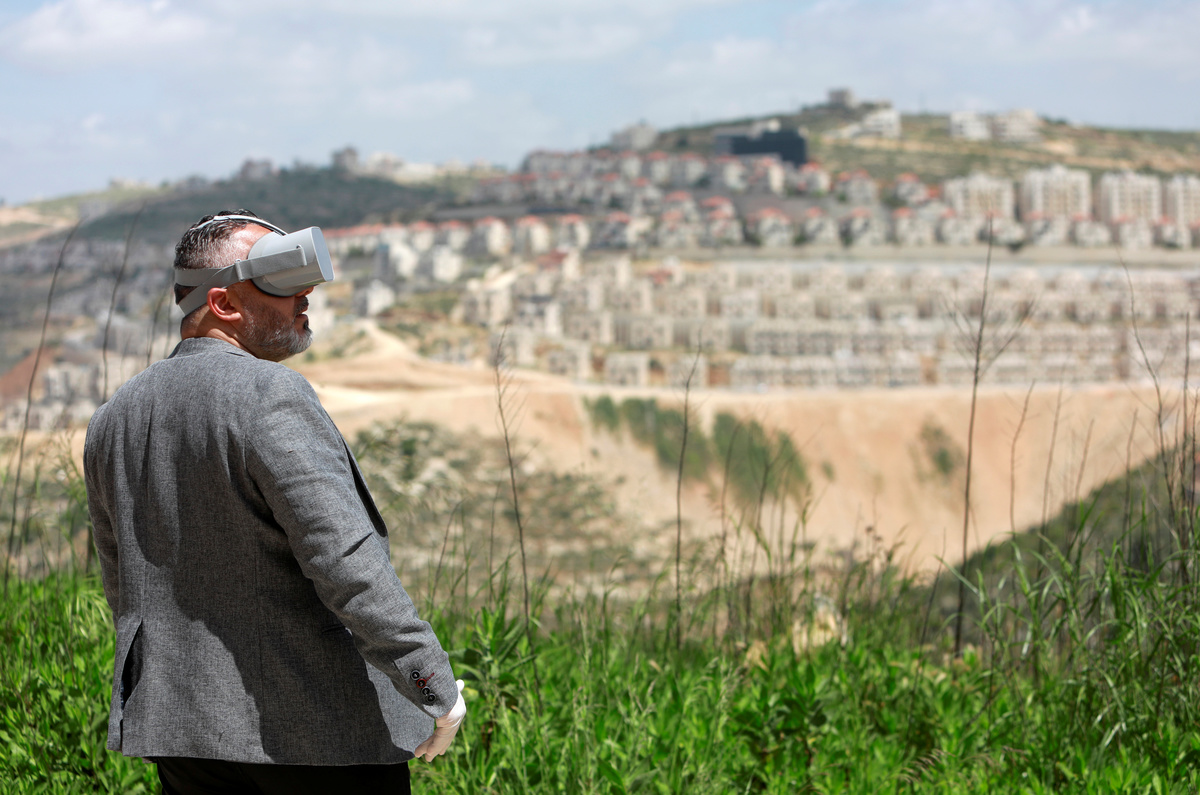
Palestine VR, a free app, is one of several new tools that aim in part to connect millions of diaspora Palestinians with their forefathers' towns and villages, some of which now lie abandoned in Israel.
"Coming to Palestine is transformational, especially for Palestinians who aren't allowed to visit," said Ramallah-based Palestine VR founder Salem Barahmeh, 30, as he guided Zoom participants through the app's 47 virtual tours of Gaza, Jerusalem and the West Bank.
"We want to share Palestine with them, and help them feel and understand this place."
Majd al-Shihabi, a Palestinian refugee born in Syria, is part of a team that developed Palestine Open Maps, an interactive database of Palestinian villages and Jewish towns as they stood in 1948.
"Palestinians anywhere can see visual details of their villages, reinforcing our understanding of what Palestine was like before the exodus," Shihabi, 31, said from Beirut.
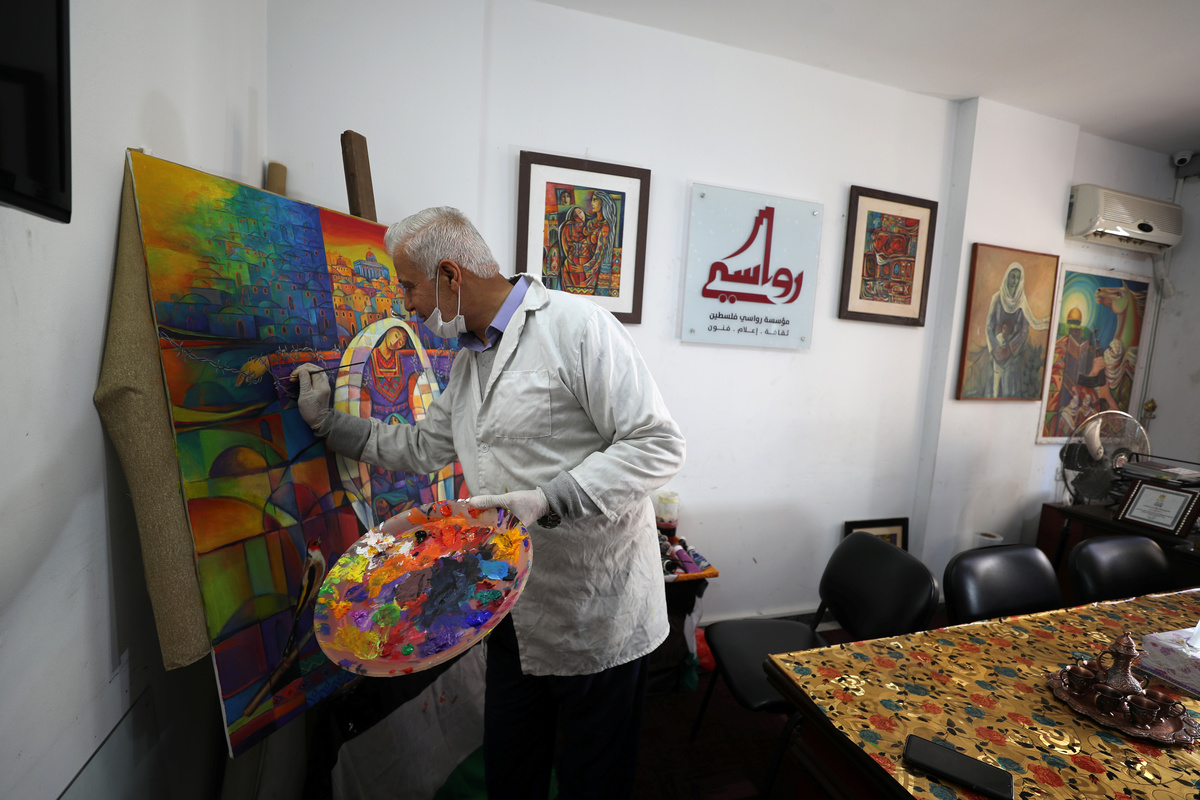
The new initiatives highlight a "digital nation" that has also formed around Palestinian culture, food and fashion, according to activists and entrepreneurs.
Joudie Kalla, a Palestinian-British chef and author of Palestine on a Plate, says vigorous recipe debates amongst her 124,000 Instagram followers are evidence of a growing community.
"No one can stop Palestinians from connecting on social media - even if it's impassioned discussion over whose village makes the best kibbeh," Kalla, 42, said from London, referencing a traditional Arabic meat pie.
STATEHOOD ELUSIVE
Palestinians want a state in the West Bank and the Gaza Strip with East Jerusalem as its capital. Israel captured and occupied those territories in the 1967 Middle East war, later annexing East Jerusalem in a move not recognised internationally and withdrawing from Gaza in 2005.
In 2012, the U.N. General Assembly approved the de facto recognition of the sovereign state of Palestine. But full Palestinian statehood has remained elusive.
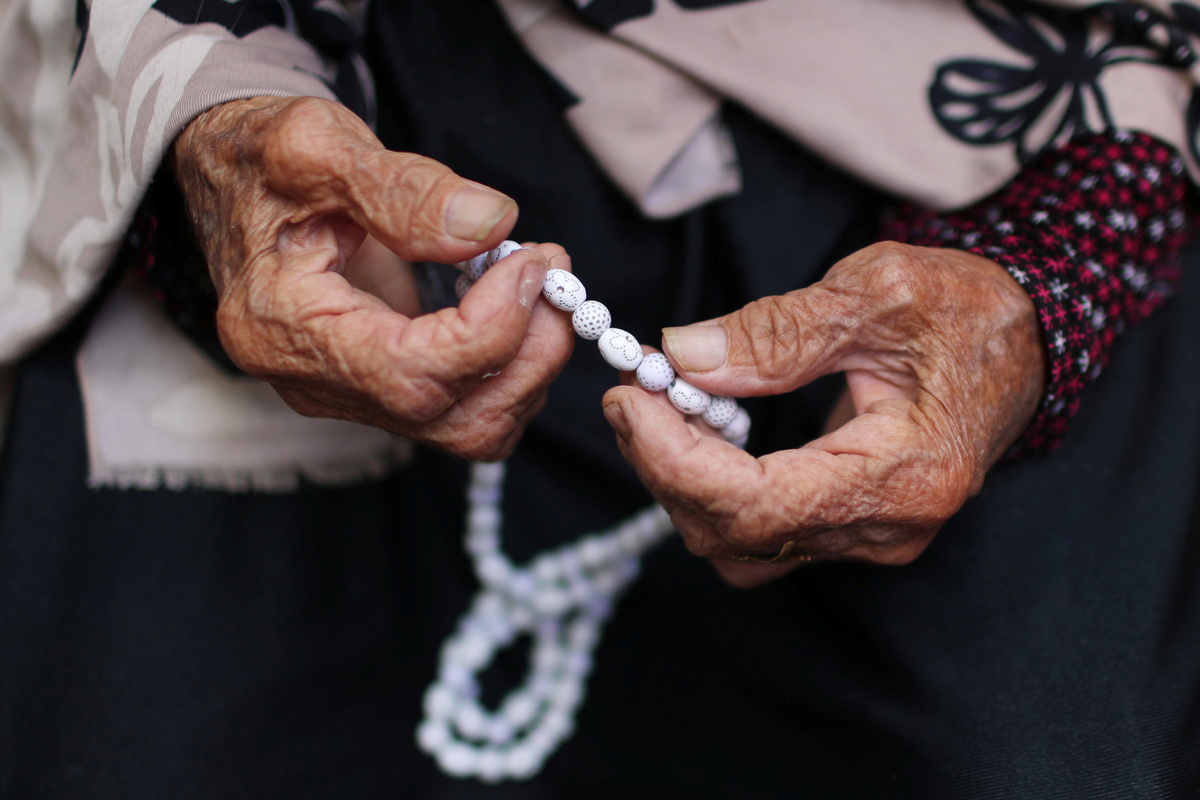
Many Palestinians abroad fear losing touch with their roots.
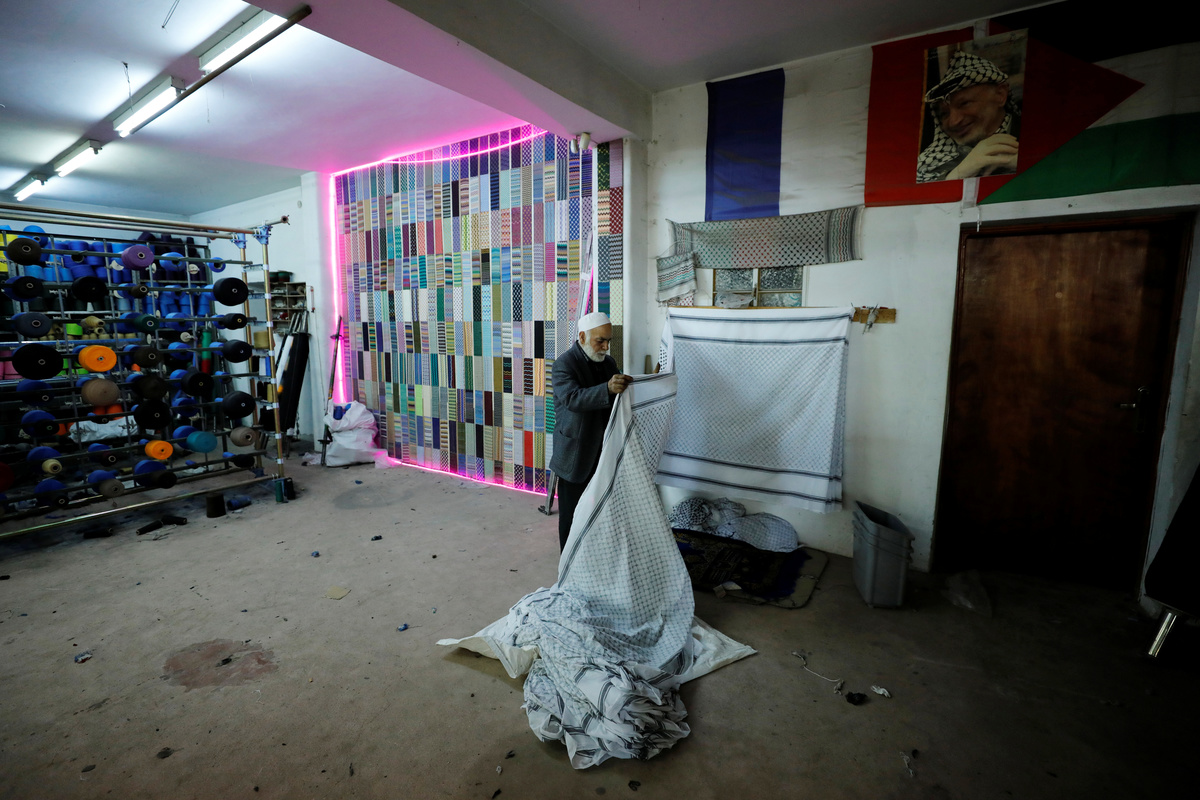
This has prompted "fusion" projects that are transforming Palestinian fashion staples like the keffiyeh - a black or red-and-white checkered scarf now available in multiple colours.
Clothing company Threads of Palestine makes keffiyeh tee-shirts, hoodies, and onesies for babies, sourcing fabric from the West Bank's last keffiyeh factory.
"The keffiyeh, it oozes with Palestinian culture," said manager Abed al-Aziz al-Karaki at Hebron's Hirbawi factory.
(Editing by Giles Elgood)