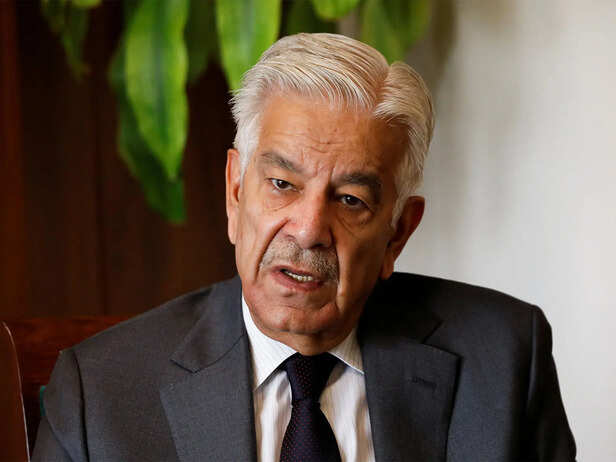
A river that has flowed peacefully for centuries is suddenly at the center of one of South Asia's most dangerous disputes. Pakistan's Defence Minister Khawaja Asif has issued a stark warning, saying Pakistan could go to war if it believes India's actions threaten its water security. The statement comes amid growing tensions over the suspension of the Indus Waters Treaty, a decades-old agreement that has survived wars, political crises, and diplomatic breakdowns. But is this really about water alone? Or is there a much bigger story unfolding beneath the surface?
A Treaty That Survived Every Storm
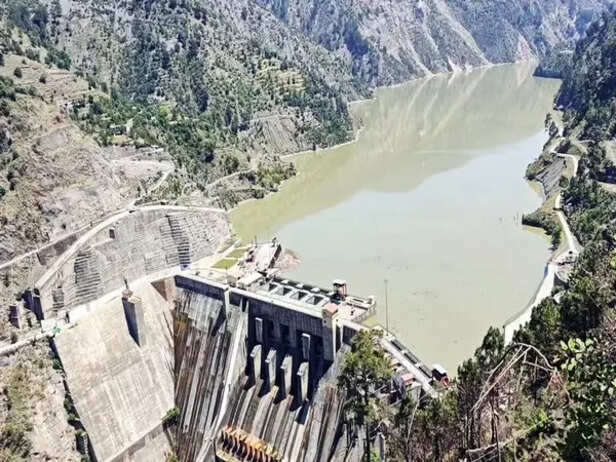
For decades, the Indus Waters Treaty was viewed as a diplomatic success story. Signed in 1960 with World Bank support, it divided the waters of the Indus river system between India and Pakistan. Remarkably, the treaty remained intact despite multiple wars and prolonged political tensions. It ensured that both nations had a framework for managing one of the region's most vital resources. Many experts believed the agreement was untouchable. That perception changed dramatically after recent events, placing one of the world's most important water-sharing arrangements under unprecedented pressure.
Why Water Means Survival for Pakistan
We will go to war with India 🇮🇳 if they do not change their behavior regarding water.
Because water is life, and they are taking it away from us.
• Pak Defence Minister: Khawaja Asif pic.twitter.com/GAuwUqtdVO
— برهان الدین | Burhan uddin (@burhan_uddin_0) June 20, 2026
Water is not simply a resource for Pakistan it is an economic lifeline. A significant portion of the country's agriculture depends on the Indus river system. Crops, irrigation networks, industries, and communities all rely heavily on consistent water flows. Any perceived threat to that supply immediately becomes a national concern. With Pakistan already facing water shortages and climate-related challenges, fears over future access to water have intensified. This explains why statements regarding river flows and water management trigger strong reactions from political and military leaders alike.
The Turning Point After Pahalgam
The current dispute gained momentum after the deadly Pahalgam terror attack in April 2025. Following the incident, India accused Pakistan-backed terrorists of involvement and announced the suspension of the Indus Waters Treaty. New Delhi stated that normal implementation would remain paused until credible action against cross-border terrorism was taken. The move transformed what had been a water-sharing agreement into a broader security issue. Suddenly, discussions about rivers, dams, and water projects became intertwined with national security calculations on both sides of the border.
The Statement That Sparked Alarm
The latest controversy erupted after Pakistan's Defence Minister Khawaja Asif suggested military action could become an option if Pakistan's water security was threatened. His remarks followed reports that India may accelerate projects affecting water management in the Indus basin. Such statements quickly attracted international attention because they linked water access directly to the possibility of armed conflict. While political rhetoric often becomes heated during disputes, explicit references to war underscore how sensitive and emotionally charged the issue has become for both governments.
Is India Really Planning to Stop Water Flows?
Much of the current debate revolves around whether India can significantly alter water flows to Pakistan. Discussions intensified after comments suggesting that water reaching Pakistan could be reduced in the coming years. Experts note that implementing major changes would require substantial infrastructure, investment, and time. Nevertheless, even the possibility of future projects has generated anxiety across Pakistan. The uncertainty itself has become a strategic factor, fueling speculation, political messaging, and concerns about long-term regional stability.
Why The World Is Watching Closely
The dispute extends beyond two neighboring countries. Any serious escalation between India and Pakistan attracts global attention due to their strategic importance and nuclear capabilities. International organizations and diplomatic partners understand that resource-related conflicts can quickly evolve into broader crises. Water security is increasingly becoming a global issue as populations grow and climate pressures intensify. What happens in the Indus basin could influence how future international disputes over shared rivers and resources are managed worldwide.
The Real Question Nobody Can Ignore
The biggest question is not whether strong statements will continue. The real question is whether both nations can find a path that balances security concerns with practical cooperation. History shows that shared rivers can either unite neighbors or deepen divisions. The Indus Waters Treaty once symbolized resilience and dialogue. Whether it remains a bridge or becomes another battleground depends on decisions made in the months ahead. Millions of lives, livelihoods, and the future of regional stability may ultimately depend on that choice.
Unlock insightful tips and inspiration on personal growth, productivity, and well-being. Stay motivated and updated with the latest at My Life XP.
Frequently Asked Questions (FAQs)
1. What is the Indus Waters Treaty?The Indus Waters Treaty is a water-sharing agreement signed between India and Pakistan in 1960 with the support of the World Bank. It governs the distribution and use of waters from the Indus river system, which includes six major rivers flowing through both countries.
2. Why is the Indus Waters Treaty important?
The treaty is crucial because it ensures water access for millions of people, especially in Pakistan, where agriculture, irrigation, and daily life depend heavily on the Indus river system. It has long been considered one of the world's most successful international water agreements.
3. Why did India suspend the treaty?
India suspended the treaty after the April 2025 Pahalgam terror attack, which killed 26 people. New Delhi stated that the agreement would remain in abeyance until Pakistan takes credible and irreversible action against cross-border terrorism.
4. What did Pakistan's Defence Minister Khawaja Asif say?
Khawaja Asif warned that Pakistan could consider military action if it believes India's actions threaten its water security. He described water as a critical part of Pakistan's national security and said any serious threat would be viewed with utmost seriousness.
5. Can India completely stop water flowing to Pakistan?
Experts generally believe that completely stopping water flows would require significant infrastructure projects and considerable time. However, discussions about future dams, reservoirs, and river management projects have increased concerns in Pakistan.