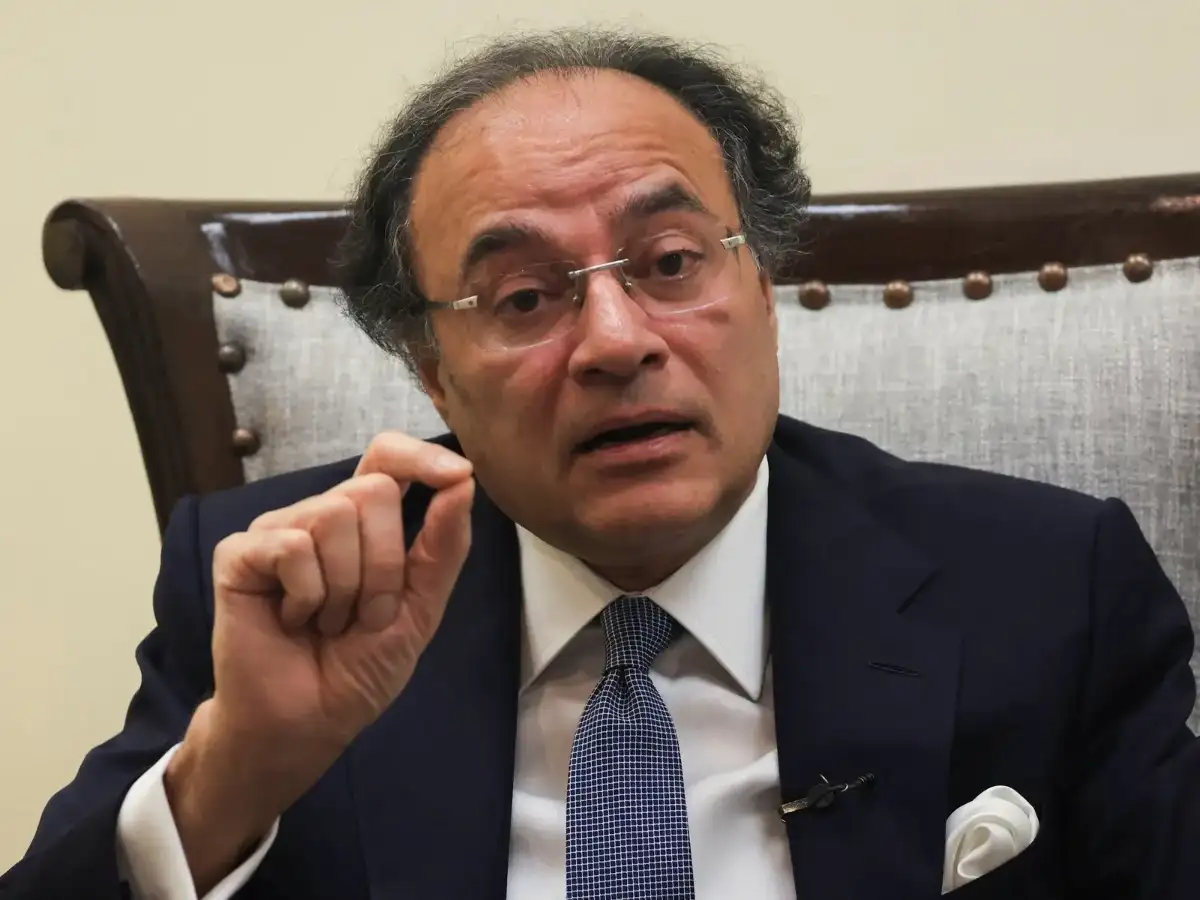
Pakistan could improve its economic projections for fiscal year 2027 following the end of the Iran conflict, but it is too early to revise the budget presented just days ago, Finance Minister Muhammad Aurangzeb told Reuters.
Speaking hours after the United States and Iran signed a deal to end the fighting, Aurangzeb said the government's immediate concern had been containing the knock-on effects of a prolonged conflict, particularly on energy supplies and inflation.
Also Read: Pakistan budget raises defence spending, squeezes development to meet IMF goals
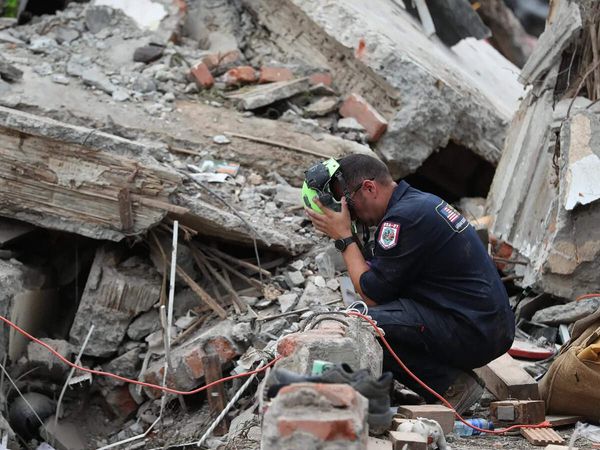
"We were looking at how we manage the second, third-order impact in case this conflict continues," he told Reuters. "The energy infrastructure has been hit. And therefore, it will take time before we return to normalcy in terms of supply chains."
The conflict had pushed inflation back into double digits, he said, as disruptions to energy infrastructure and logistics fed through the economy.
Still, Aurangzeb struck a cautiously optimistic tone about Pakistan's economic prospects.
"I do see upsides in what we have projected for next year," he told Reuters, while cautioning that it would be "way too premature" to revise the budget assumptions.
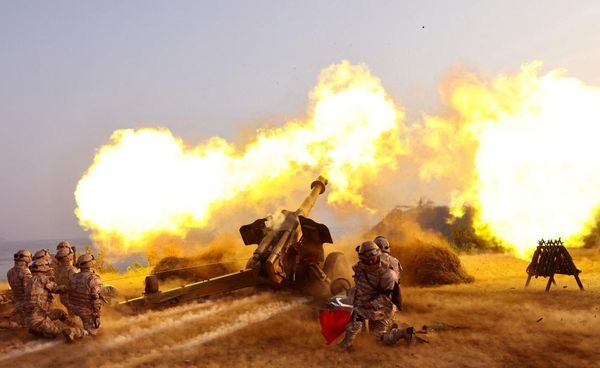
Pakistan's FY27 budget, unveiled in parliament on Friday, projects economic growth of 4% and inflation of 8.2%. The spending plan increases defence expenditure by 18% to 3 trillion Pakistani rupees ($10.8 billion), while banking on stronger tax collection to keep the country's $7 billion International Monetary Fund programme on track
Also Read: Pakistan's poor population swells by 27 mn in six years, poverty surges 7%
Aurangzeb also told Reuters that Islamabad may increasingly tap commercial borrowing during FY27 as part of an effort to reshape its creditor mix without expanding the country's overall external debt burden.
"Ideally what we want to do is to see if we can replace some of the bilateral through commercial," he said. "We do not intend to increase the size of our external debt."
The comments come after Pakistan repaid $3.4 billion in bilateral deposits to the United Arab Emirates last month while simultaneously securing financing from commercial banks in the Gulf nation, a move Reuters said reflected the government's desire to formalise a shift in its creditor profile.
Pakistan is also exploring a range of international debt instruments, including additional Panda bonds, Eurobonds, U.S. dollar-denominated issuances and its first rupee-linked, dollar-settled bonds, although Aurangzeb said the size of those offerings had yet to be determined.
According to the FY27 budget documents, the government expects to raise $2.82 billion through commercial borrowing and Eurobond issuances. Pakistan also has approval to issue Panda bonds worth the equivalent of $1 billion, following a debut $250 million issue that was 95% backed by the Asian Development Bank and the Asian Infrastructure Investment Bank.
A former banker, Aurangzeb has now presented three consecutive federal budgets — a notable feat in Pakistan, where governments often fail to complete full terms and finance ministers are frequently changed.
Interest in Pakistan's growing defence manufacturing sector has risen sharply following last year's conflict with India, with the country's military hardware attracting attention after being tested in combat. However, Aurangzeb told Reuters it was too early to quantify any potential gains from defence exports.
The government's immediate priority, he said, remained ensuring adequate allocations for national security, given Pakistan's two "active" borders with India and Afghanistan.
Pakistan has also accelerated efforts to formalise its digital asset ecosystem this year, including through agreements with Binance and World Liberty Financial.
Aurangzeb said the government's focus for now was on building a regulatory framework for crypto assets, tokenisation and digital asset exchanges before considering taxation.
"Yes, at some point we have to bring it into the taxation timeframe," he told Reuters. "But this was not the time to do it."