Pakistan's cricket scandal - a timeline in pictures
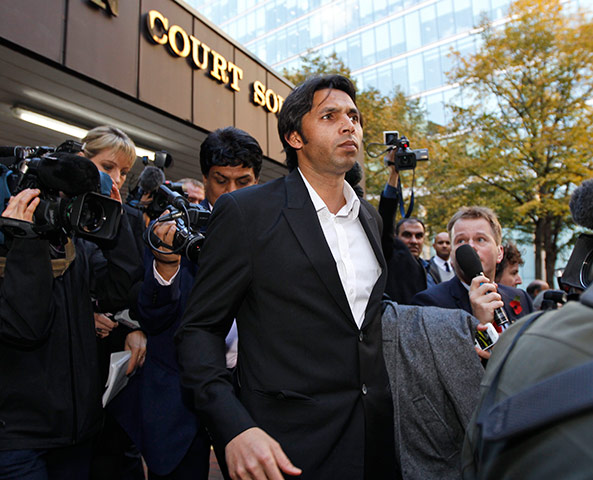
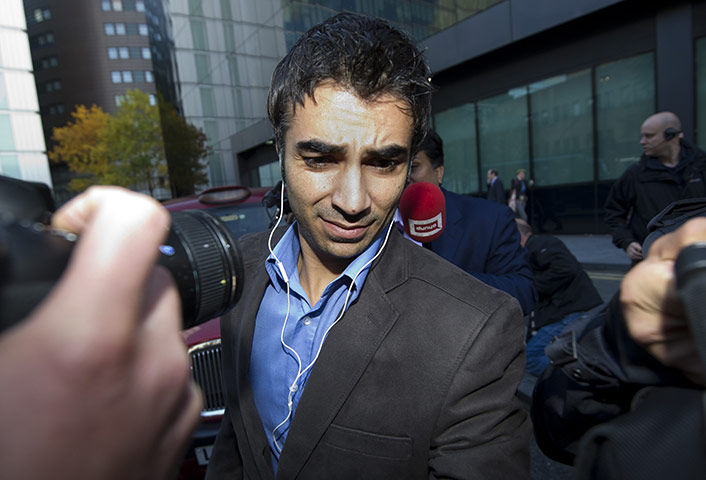
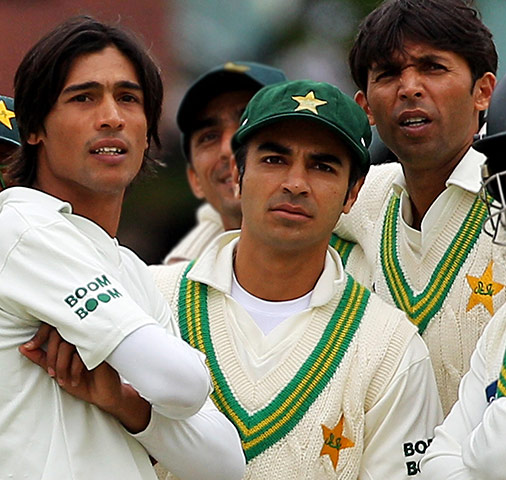
Pakistan fast bowler Mohammad Asif, pictured, and his former team-mate and captain Salman Butt were today convicted of spot-fixing during the fourth Test between England and Pakistan in 2010Photograph: Lefteris Pitarakis/APThe 12 jurors at Southwark crown court were unanimous in their decision that both players were guilty of conspiracy to cheat, but could only reach a 10-2 majority verdict on the charge that Butt, pictured, and Asif took money to do soPhotograph: Carl Court/AFP/Getty ImagesThe allegations first emerged on 29 August 2010 in a News of the World sting. The paper's undercover reporters, posing as front men for a gambling cartel, paid £150,000 to an agent who then allegedly arranged for no-balls to be bowled at certain times during the Test match - a practice known as spot-fixing. The agent, Mazhar Majeed, was filmed accepting a £10,000 deposit from the paper’s Fake SheikhPhotograph: AP
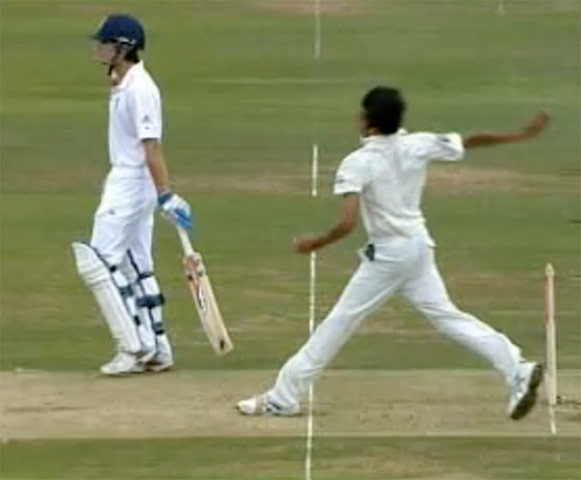
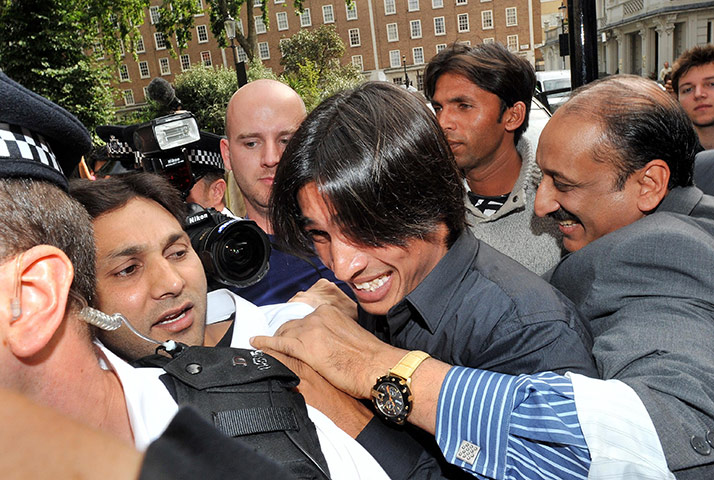
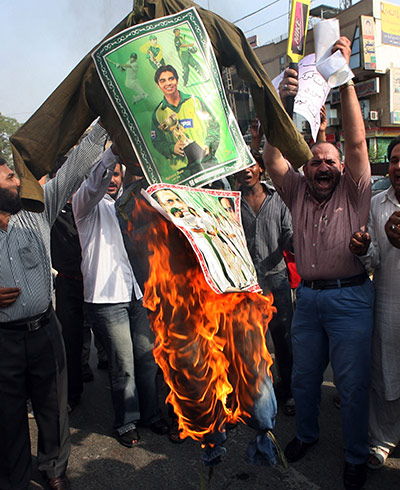
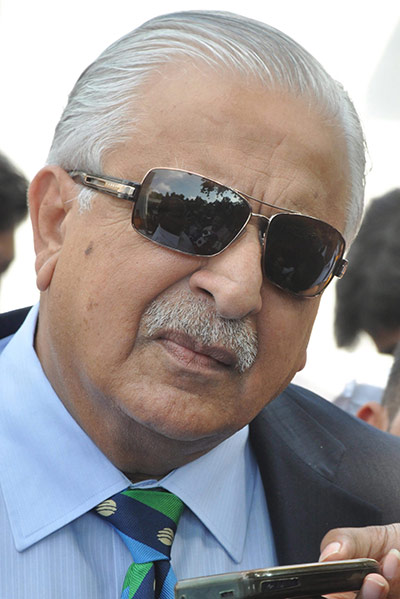
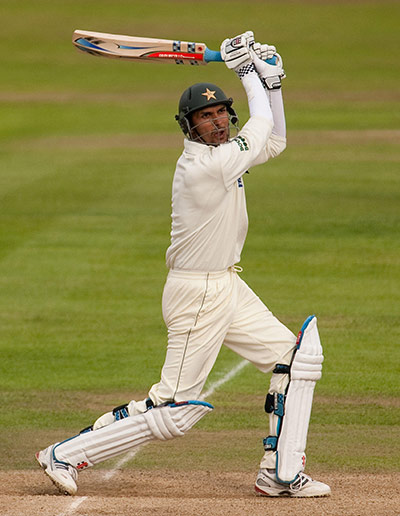
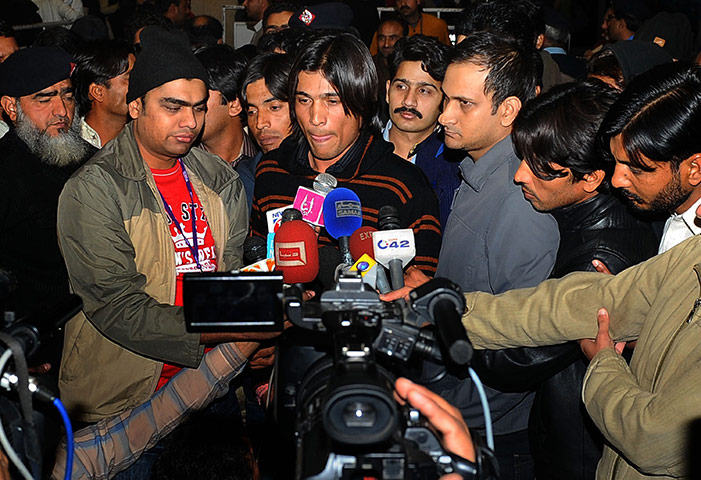
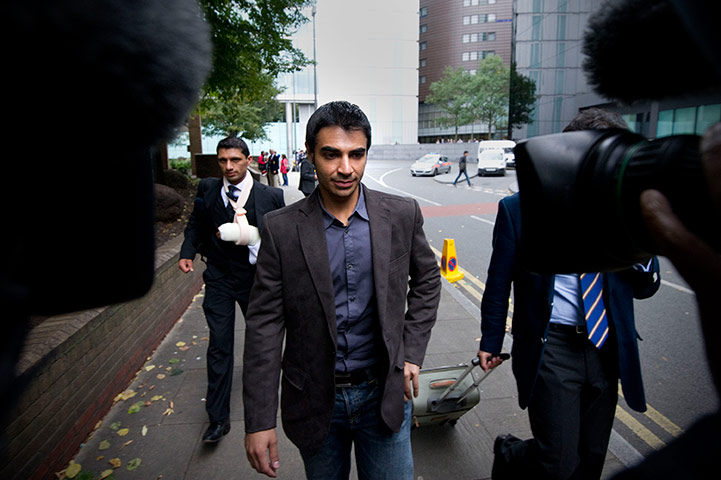
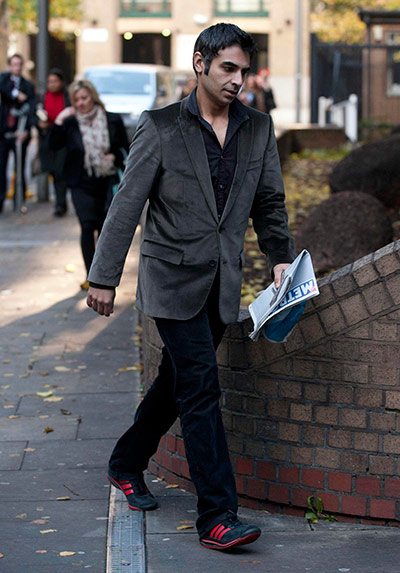
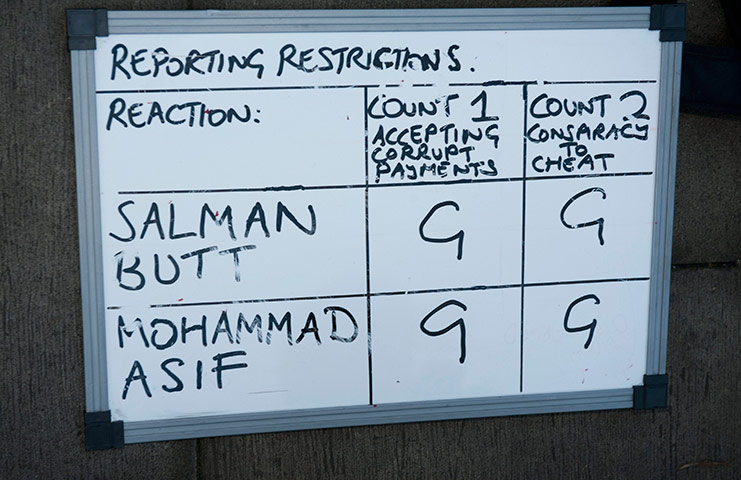
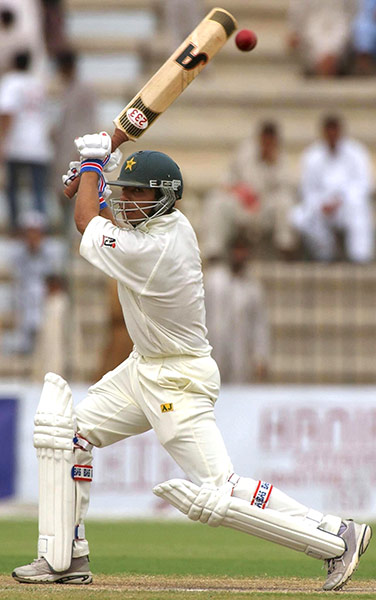
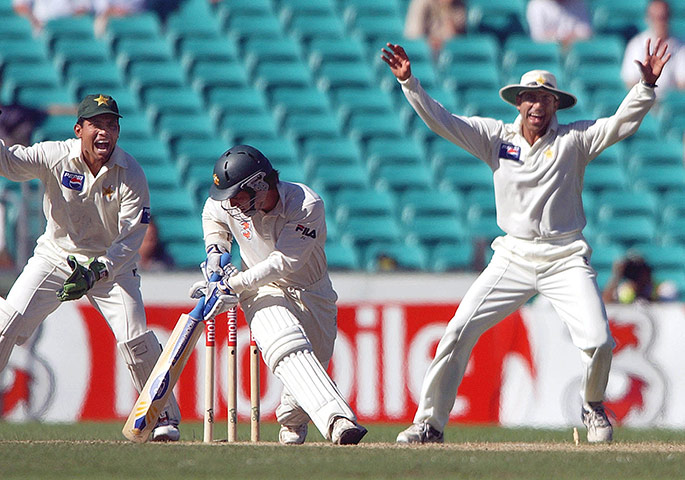
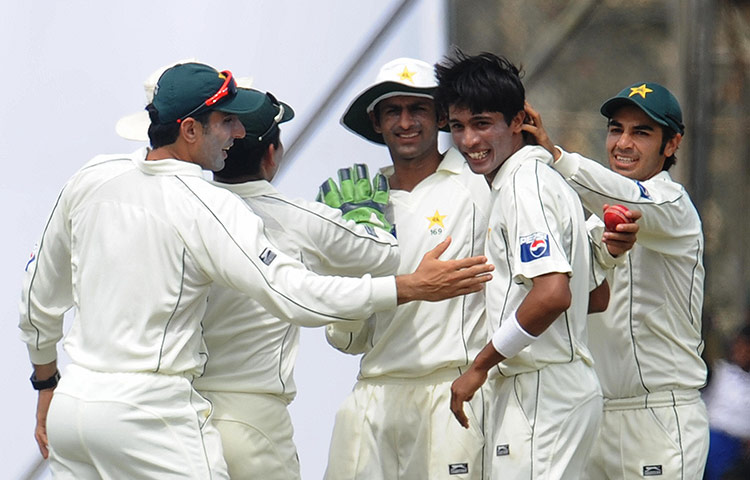
This image shows one of the no balls, delivered on cue at the end of the 10th over of the fourth Test by the Pakistan seam-bowler Mohammad Asif Photograph: Enterprise News And PicturesThe cricketers immediately found themselves at the centre of a media furore, as seen here when Amir and Asif arrived at the Pakistan High Commission in London on 2 September 2010Photograph: John Stillwell/AOThe trio, pictured here in an earlier match, were interviewed by police before being allowed to return to PakistanPhotograph: Clive Rose/Getty Images... where reaction among fans had been condemnatoryPhotograph: Rahat Dar/EPAThe PCB chairman, Ijaz Butt, pictured, accused England of taking money to lose the third ODI. Andrew Strauss then threatened to sue Butt and England demanded an apology. The Pakistan team manager Yawar Saeed resigned on 27 September and Butt withdrew his accusation two days laterPhotograph: EPAThe PCB suspended the contracts of the three Pakistan players on 3 November, four days after Amir and Butt had their appeals against their ICC suspension dismissed. The team's wicketkeeper Zulqarnain Haider, pictured, then disappeared from Pakistan’s one-day series against South Africa in Dubai. He arrived in London, announced his retirement and sought asylum after claiming to have received threats from bookmakers. Haider later abandoned his asylum attempt and returned to Pakistan on 17 April 2011Photograph: Gareth Copley/PA Archive/Press Association ImaAmir talked to the media at the Allama Iqbal International airport upon his arrival home in early February 2011. Days earlier, an ICC tribunal had found the three players guilty of corruption. Butt received a 10-year ban from all cricket, five of them suspended, Asif was banned for seven years, two of which were suspended, and Amir was banned for five years. Amir and Butt vow to fight the judgement. Amir described the verdict as “a total shock”Photograph: Arif Ali/AFP/Getty ImagesThe criminal trial began at Southwark crown court in early October 2011 and on the second day of proceedings it was alleged that Kamran Akmal, Umar Akmal and Wahab Riaz were also working for Majeed. On 10 October, Majeed revealed that “I’ve been dealing with them, the Pakistan team, for about two and a half years and we’ve made massive amounts of money”. Former News of the World journalist Mazher Mahmood denied that illegal phone hacking was used as part of the Majeed sting operationPhotograph: Carl Court/AFP/Getty ImagesButt’s police interview was played to the court, in which he described the no-balls being bowled exactly as predicted as a “freak occurrence”. On 17 October, Butt revealed that he was “suspicious” of Majeed but had not reported the agent to the ICC because he wanted to maintain a good relationship with him. Butt claimed that he emptied £115,000 from his account on 3 September 2010, the day of his police interview, because his mum “wanted some money”Photograph: Ben Stansall/AFP/Getty ImagesButt said that the large amounts of cash that were found in his hotel room were part of his appearance fee for opening a friend’s ice-cream parlour in Tooting. According to Ali Bajwa, Butt’s defence lawyer, Butt and Asif have been accused of “deceit, greed and corrupt practice” on the basis of “coincidence, innuendo and guesswork”Photograph: Philip Brown/ReutersA whiteboard used by reporters shows today's verdict. After the jury deliberated for over 20 hours, Butt and Asif were found guilty of both charges against them (of conspiring to cheat and accepting corrupt payments). Butt and Asif could face jail sentences of up to seven years. It was also revealed in court that Amir had already pleaded guilty to both charges against him on 16 SeptemberPhotograph: Philip Brown/ReutersThe verdict brings an end to an unsavoury saga and, with it, the international careers of three acclaimed Pakistan cricketers. Salman Butt made his debut against Bangladesh at Multan in 2003, as pictured, and was made captain of the side in July 2010Photograph: Jewel Samad/AFP/Getty ImagesMohammad Asif, right, made his debut against Australia in 2005, two years after Butt. Australia won the series 3-0Photograph: APMohammad Amir had a more enjoyable start to his Test career - he dismissed the Sri Lankan cricket captain Kumar Sangakkara on the first day of the first Test at Galle on his debut. Amir was only aged 18 at the time of spot-fixing case against England at Lord's and before the start of the trial his lawyer read out a statement saying: "Mohammad Amir accepts full responsibility for deliberately bowling two no-balls ... this vulnerable 18-year-old boy was subjected to extreme pressure from those on whom he should have been able to rely. He recognises the damage his actions have caused Pakistan cricket."Photograph: Lakruwan Wanniarachchi/AFP/Getty Images
Sign up to read this article
Read news from 100’s of titles, curated specifically for you.