The powerful military establishment in Pakistan has long dismissed jailed former prime minster Imran Khan’s allegations of a foreign-backed conspiracy to topple his government in 2022 as mere political theatrics. However, a leak of a top-secret diplomatic communication published by DropSite News has suddenly thrust this explosive issue back into the spotlight.
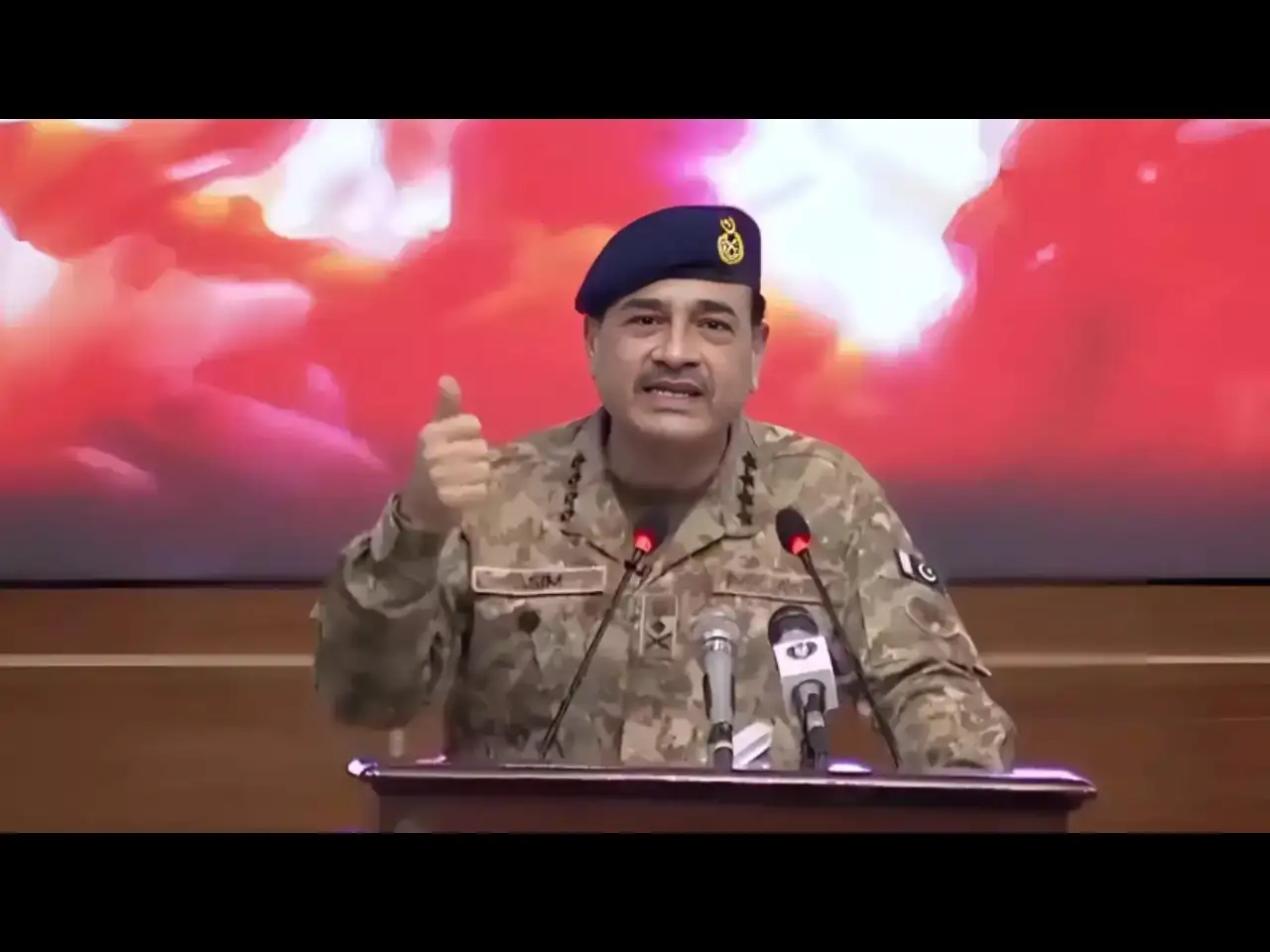
This disclosure comes at a time when army chief Asim Munir is enjoying an unprecedented wave of international validation, earning praise from US President Donald Trump as his "favourite field marshal" and playing the role of a mediator between Iran and the US. The surfacing of this high-level telegram threatens to unravel Munir’s new image as a global statesman and peacebroker. By validating the core claims of a popular leader currently held in isolation, the revelation reopens a volatile domestic debate and severely undercuts the legitimacy of Pakistan's current ruling order.
A conspirator’s blueprint revealed
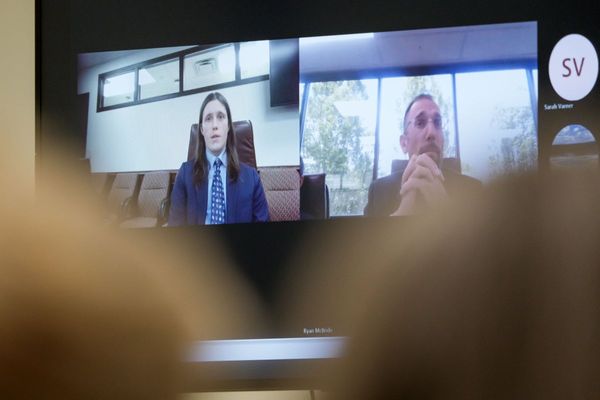
The newly leaked diplomatic cable, dated March 7, 2022, provides a detailed record of a luncheon meeting between Pakistan’s then-ambassador to the US, Asad Majeed Khan, and senior US State Department official Donald Lu. According to the document published by DropSite News, Lu expressed severe American frustration regarding Khan’s aggressively neutral foreign policy, particularly his high-profile visit to Moscow on the very day Russia invaded Ukraine. The most damning indictment within the document is Lu’s direct suggestion that a parliamentary no-confidence vote against Khan would act as a geopolitical reset. Lu is explicitly quoted in the report as saying that if the no-confidence vote succeeds, all will be forgiven in the US because the Russia visit is being looked at as a decision by the Prime Minister.
Also Read | Imran Khan-linked ‘Cyphergate’ Row hits Pakistan: US' role confirmed in his ouster?
This specific phrase, "all will be forgiven", might suggest that the political decapitation and subsequent legal neutralisation of Khan were viewed by the US as prerequisites for normal bilateral engagement. The cable reveals a stark warning that Pakistan would face severe international isolation from both the US and Europe if Khan managed to survive the legislative challenge. The explicit link between a domestic constitutional procedure and foreign policy forgiveness provides Khan’s party, Pakistan Tehreek-e-Insaf, with an undeniable form of public vindication.
The shadows on Munir’s global stature
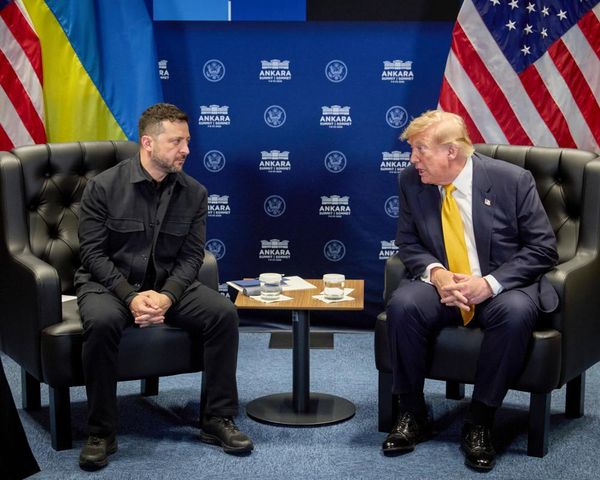
The timing of this disclosure could not be more inconvenient for Munir, who has been aggressively leveraging geopolitical crises to engineer a remarkable diplomatic makeover for Pakistan. Long viewed as an economic basket case and an international pariah due to its history of military coups and institutional support for terrorism, Pakistan has recently positioned itself as a central diplomatic intermediary between the US and Iran. Munir has been at the absolute centre of this transformation, holding high-profile meetings with Trump and coordinating indirect regional communication channels to avoid wider military escalation in the Middle East. Notably, Trump had initially preferred to interact with Asim Munir instead of Pakistani Prime Minister Shehbaz Sharif.
Also Read | Pakistan Army Chief Asim Munir threatens India again on Operation Sindoor anniversary
However, the DropSite News disclosure severely undermines Pakistani establishment's narrative. The report alleges that the powerful military establishment had begun engaging with the US completely independent of Khan’s civilian government well before his eventual ouster, even hiring a former CIA-linked lobbyist in the US in 2021 as bilateral relations soured. Following Khan’s removal, the military-backed government shifted directly toward US strategic priorities, surreptitiously supplying critical artillery ammunition for the Ukraine war effort through third-party intermediaries. The revelation that subsequent International Monetary Fund financial bailouts were quietly linked to these ongoing military supplies exposes the stark transactional nature of Pakistan’s current foreign policy alignment under Munir.
The Khan-Munir rift
The resurrected controversy deepens the long-standing personal and structural rift between Khan and Munir, which dates back to 2019 when Khan served as Prime Minister and Munir was the Director General of the Inter-Services Intelligence. The friction ignited when Munir reportedly presented Khan with evidence of alleged financial corruption involving Khan's wife, Bushra Bibi, and her close associates. Offended by what he perceived as institutional overreach, Khan abruptly removed Munir from his intelligence post after a tenure of just eight months.
When Khan was removed from power in April 2022, he systematically targeted the military leadership, culminating in bitter opposition when General Munir assumed the role of army chief later that year. Since his subsequent arrest in 2023, Khan has been kept in strict solitary confinement within a high-security prison outside Rawalpindi, facing numerous legal convictions that carry sentences adding up to decades. From his cell, Khan has relentlessly accused General Munir of leading a tyrannical regime, publicly declaring that Munir must be held directly responsible if any harm comes to him or his family.
The illusion of international legitimacy
Munir has masterfully used his newfound favour with the White House to project a sense of stability and institutional necessity back home. In the eyes of a Pakistani public weary of hyperinflation, energy shortages and endless political paralysis, the endorsement from Trump was a massive PR victory for the military chief. When Trump publicly labelled Munir "my favourite field marshal", it gave the general an aura of geopolitical prestige among Pakistani masses. Khan's ouster and jailing had led to public censure of the military for long. For a brief moment, this global spotlight successfully shifted the domestic narrative, convincing a segment of the population that Munir’s iron-fisted leadership was the only thing preventing Pakistan from total economic collapse and global isolation.
This diplomatic pageantry was carefully engineered to manufacture consent at home. By showing that a superpower was ready to deal directly with the military leadership to manage delicate back-channel diplomacy with Iran, Munir sought to prove that his grip on power was not just absolute but also carried international legitimacy. This global validation functioned as a substitute for domestic democratic legitimacy, showing to both political rivals and ordinary citizens that the military establishment remained the ultimate referee of the country's destiny.
The threat of renewed public backlash
While Khan's party, Pakistan Tehreek-e-Insaf (PTI), has been systemically dismantled through severe legal crackdowns and is currently unable to orchestrate the kind of mass protests that shook the nation in 2023, the leaked cable poses a severe reputational threat to the military establishment. Despite being in jail, Khan still maintains a massive, deeply dedicated public following, particularly among the youth who view his continued imprisonment as a direct consequence of his defiance against external interference.
By providing documentary evidence that matches Khan’s long-standing narrative of an externally manufactured regime change, the DropSite News disclosure strips away the veneer of constitutional legitimacy from the current political order. It shatters the carefully built illusion that Munir's alliance with the US is a partnership of equals born out of regional necessity. Instead, it validates the widespread domestic perception that the military establishment sacrificed civilian supremacy and actively colluded with foreign interests to depose a popular prime minister. Even as Munir enjoys the international spotlight and praises from the US administration, this resurfaced diplomatic ghost ensures that his public image can slide back into a heavy shadow of domestic disapproval which can eventually over the years resurrect intense anti-military sentiment.