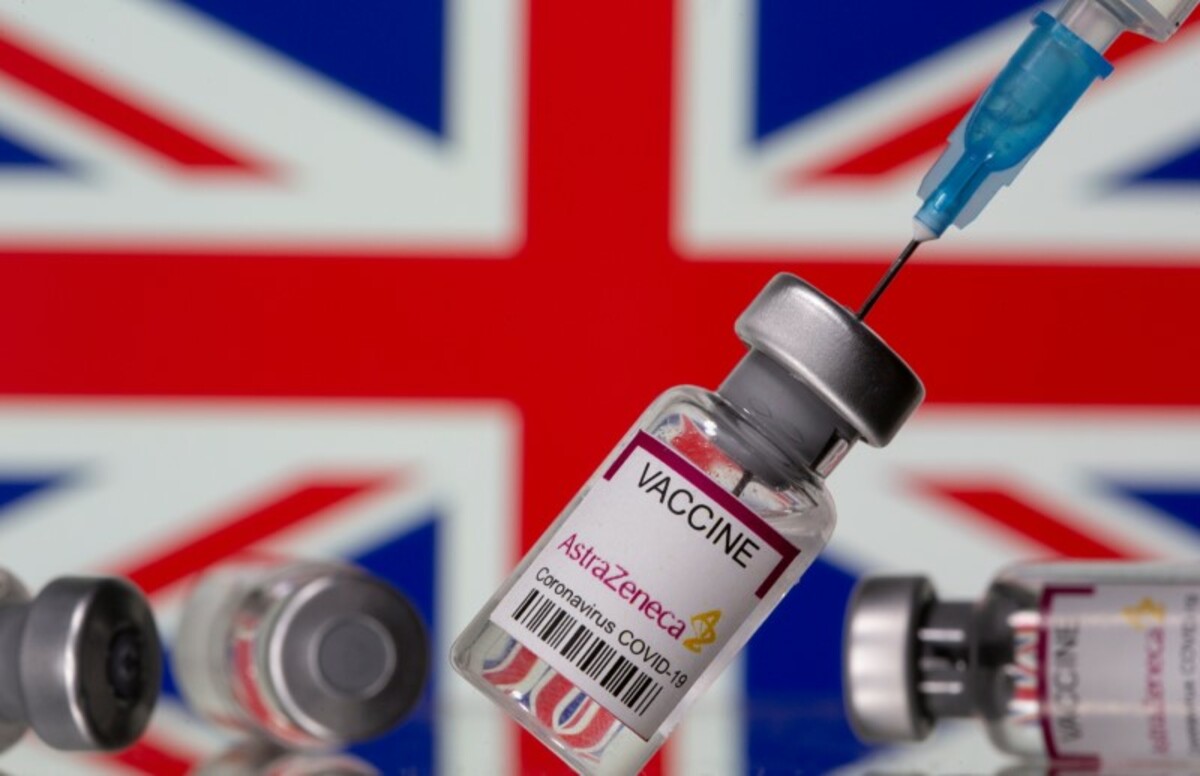
Booster shots for COVID-19 vaccines are not currently needed and the doses should be given to other countries, Oxford vaccine chief Andrew Pollard said on Tuesday in contrast to the position taken by Britain's health minister.
Pollard, who heads the Oxford Vaccine Group, said that a decision to boost should be based on scientific studies, and there had not been any evidence yet of an increase in severe disease or deaths among the fully vaccinated.
"There isn't any reason at this moment to panic. We're not seeing a problem with breakthrough severe disease," he said at an online briefing with lawmakers.
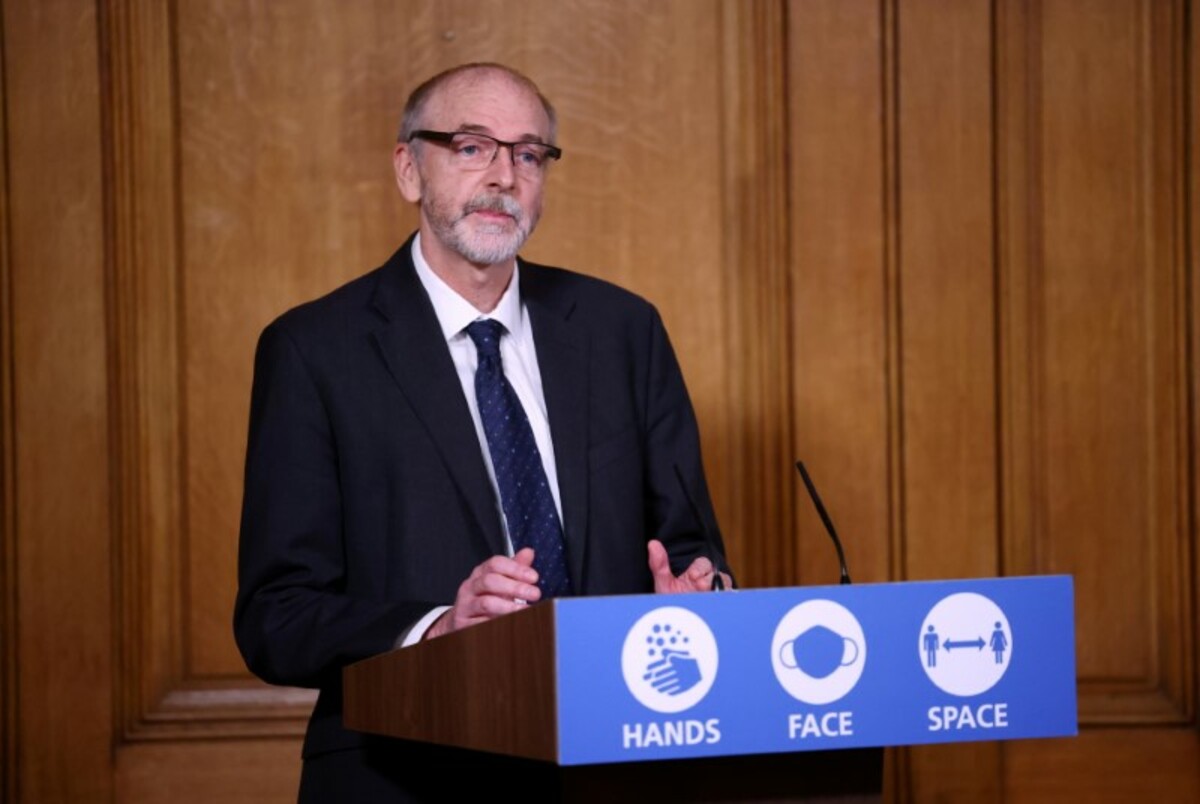
"If there was any falloff in protection, it is something which will happen gradually, and it will be happening at a point where we can pick it up and be able to respond."
Britain is planning for a COVID-19 vaccine booster programme and health minister Sajid Javid said he expected the booster programme to begin in early September, pending final advice from officials.
AstraZeneca, which manufactures the vaccine invented at Oxford University, has said it needs more time to assess whether boosters are needed to maintain protection.
That differs from Pfizer, which has said it expects a third shot will be needed to keep protection high.
Britain has given two doses of vaccine to three-quarters of adults, and the World Health Organisation (WHO) has urged countries that are planning booster programmes to delay them until more people are vaccinated around the world.
Pollard said that vaccine supplies would be better used to protect vulnerable people in other countries.
"Doses that are available that could be used for boosting or for childhood programmes are much better deployed for people who will die over the next six months rather than that very unlikely scenario of a sudden collapse in the programmes in countries that are highly vaccinated," he said.
(Reporting by Alistair Smout; Editing by Lisa Shumaker)