The UK is known to be a nation of tea-lovers: collectively, it is estimated that we drink 165m cups of tea every day and many of us rely on our favourite cuppa to get us through the day.
Despite this, the people who grow our tea - usually hired labourers on large scale plantations, or small-scale tea farmers who sell their produce on to plantations or factories - face numerous challenges. The work can be physically demanding, prices unsustainably low and the sector is notorious for its poor wages and working conditions.
The issues are complex and there is no simple answer, but high-street retailers are among the organisations working in collaboration with tea producers, tea companies, certification schemes, NGOs and others in the industry to tackle them, with the aim of making the future of the tea industry more sustainable.
Most of the tea sold in the UK now has some form of certification. Following the lead of ethical brands such as Cafédirect, Clipper and Traidcraft, several major retailers including the Co-operative, Marks & Spencer, Sainsbury’s and Waitrose now source all of their own-label teas on Fairtrade terms, which ensures that tea producers have the safety net of a minimum price and they also earn an extra amount, the Fairtrade Premium, which they can invest to benefit their business and their community.
Fairtrade certified plantations have to comply with a set of standards that protect workers’ rights, for example their freedom of association and right to collective bargaining, and since January 2014, they are also required to make progress towards a living wage over time.
Globally, more than 258,000 tea farmers and workers in 14 countries benefit from Fairtrade. One of those individuals is Edson Maotchedwe, a 45 year-old Malawian tea farmer and father of seven, who says his children’s lives were saved because an ambulance bought with Fairtrade Premium took them to hospital when they caught malaria. Fairtrade has also enabled his co-operative to provide safe drinking water to several villages, invest in a maternity ward that saves expectant mothers from making a 40 kilometre journey to give birth, and provide bursaries so that orphaned children can go to school.
As the chairman of Sukambizi Association Trust, Maotchedwe uses a motorbike bought with Fairtrade Premium to visit farmers and train them in good agricultural practices. There is also a new school on the way, which will reduce the time it takes children to travel to school and boost attendance. “I feel great, because the children’s future is tied to education,” Maotchedwe said.
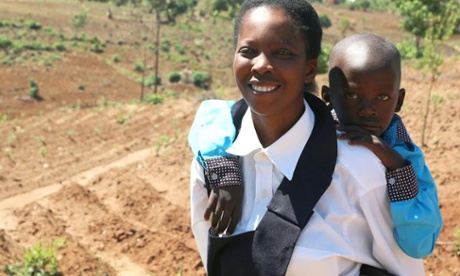
Food security is so poor in Malawi that it is estimated that around eight in 10 families run out of food at some point in the year. For Tsala Mwale, a 28 year-old tea plantation worker and single mother of one, Fairtrade means that she can now feed her family during the lean months of December, January and February, because the Fairtrade Premium has been used to provide workers with maize at below cost.
It has also paid for solar power in her home, which means she can save money that she used to spend on paraffin. “‘We are now able to buy things like soap, sugar and other necessities we could not afford,” Mwale said. Workers on her plantation now have uniforms, safety equipment and regular medical check-ups and many have replaced their thatched roofs with iron sheets, for better protection against the floods that regularly affect Malawi.
“Edson and Tsala are just two out of thousands of tea farmers and workers in Malawi whose lives have been improved because some of the UK’s leading retailers and brands have bought their tea on Fairtrade terms,” said Richard Anstead, head of product management at the Fairtrade Foundation. “It’s a great start, but we need to go further if we are going to lift tea farmers and workers in Malawi and elsewhere out of poverty and enable them to build a better future.”
Last year, following a project initiated by Fairtrade and supported by other certification bodies including Rainforest Alliance and UTZ Certified, a Living Wage benchmark was established for tea workers in Malawi. Fairtrade is now working with the industry to ensure that plantations can move towards paying this rate without unintended consequences such as worker lay-offs. It is also supporting work by the Ethical Tea Partnership and Oxfam to champion much-needed change within the Malawi tea sector.
“What is clear is that suppliers can’t bear the whole cost of paying living wage, everyone needs to play their part,” says Fairtrade Foundation’s Anstead. “In the UK, most tea is sold on special offer and that means that we don’t value it as much as we should. Ultimately if we want to make a greater difference to the lives of the people who grow our tea, we all need to be prepared to pay a little more for a cuppa.
Malawi was hit by its worst floods for four decades in January 2015, leaving hundreds of people dead, 200,000 displaced, and crops and livelihoods devastated. An emergency appeal is raising funds for the replanting of tea and sugar crops.
Watch new short film, Fairtrade Matters to learn more about the difference that Fairtrade makes for Edson, Tsala and their communities.
Content on this page is paid for and provided by Fairtrade Foundation