More than 70 million warnings sent to people attempting to access child sex abuse material (CSAM) online over the last two years, a leading charity has said.
The digital messages were sent as part of a screening process that tries to divert potential offenders to support and prevent them from accessing harmful and illegal content.
Established by the Lucy Faithfull Foundation (LFF), the initiative named Project Intercept is a partnership between the charity and tech giants including Meta, TikTok, and Google.
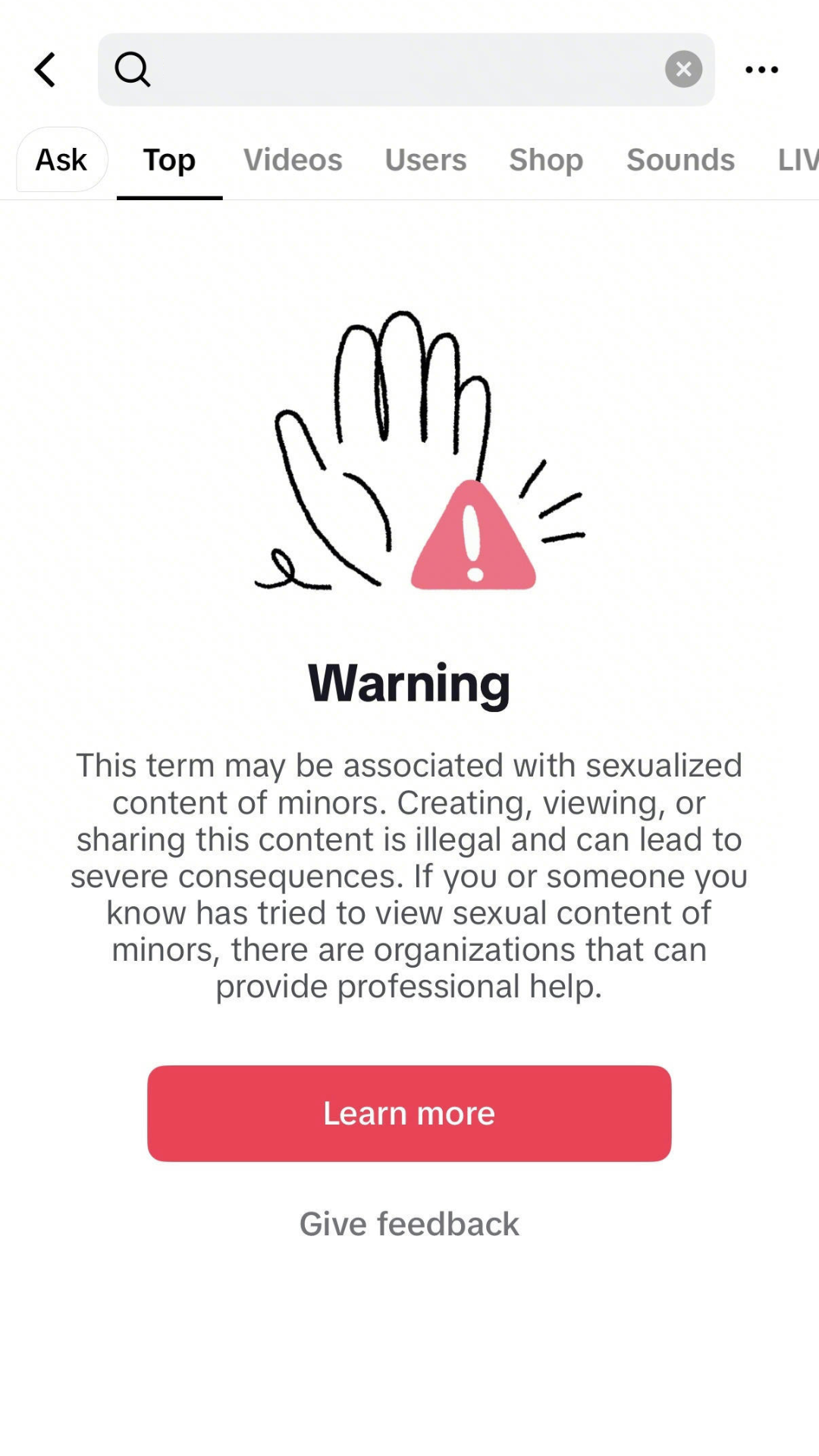
The project works by triggering warnings when people use search terms that indicate they are looking for sexual images of children, or click links that have previously been reported as containing sexual images of children.
If engaged with, the messages redirect people to self-help resources designed to help them stop accessing the illicit material.
The charity said each month in 2024 and 2025, an average of 28,000 users were redirected to its Stop It Now self-help resources through a number of gaming, social media, dating, streaming, and AI platforms.
It added the 22 messages had reached users from 131 different countries with nearly 700,000 people clicking through to receive support.
One user, given the pseudonym Ben, was directed to the resources after his searches triggered one of Project Intercept’s messages.
“After I got the warning, I had a look around on Stop It Now”, he said. “I found the modules on addiction and pornography very helpful. About two months ago I gave up adult sites. I want to keep my mind occupied and more productive.”
.png)
Deborah Denis, chief executive at Lucy Faithfull Foundation said the project shows the potential to scale this approach is “enormous”.
“By placing more warnings across more online spaces, we can disrupt harmful behaviour at the moment it’s happening and prevent countless children from being harmed,” she said.
“The need has never been more urgent, particularly as new AI technologies accelerate the spread of online child sexual abuse.”
She added we “must not leave children to protect themselves” and said it is the responsibility of adults, and especially tech companies, to keep them safe.
“We’ve proved it’s possible for tech companies to intervene effectively, preventing people from seeking illegal and abusive images of children and diverting them towards help to change,” she continued.
“These warnings don’t simply block harmful content; they offer a clear pathway to support and behaviour change.
“Now we are calling on tech companies to work with us to scale what works and prevent harm before it happens.”
Meta launches WhatsApp 'incognito' mode to address privacy concerns for AI chats
Getting children to eat their vegetables could start in the womb, study finds
Children as young as four sent to NHS weight loss clinics
MoJ rebuked by regulator over toxic gas exposure of prisoners and staff at Dartmoor
Starmer sets out plans for ‘stronger and fairer’ UK as he fights to save his job
£139 million paid out in Troubles disablement pension scheme