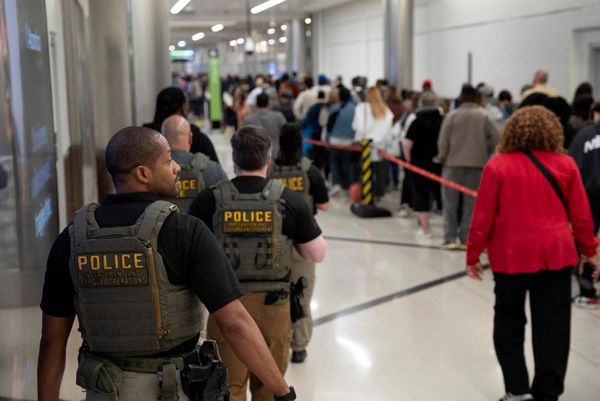
Over 100 police personnel, including women constables, in Vellore, Tiruvannamalai, Ranipet and Tirupattur districts, have tested positive for COVID-19 since January 1, with an average of at least eight cases reported per day in each of these districts.
Care desk
With the rising cases, the Vellore sub-division of the district police have set up a COVID-19 Care desk with a helpline (8438620416) to offer assistance to the infected police personnel and their families within its limits.
The round-the-clock help desk has three personnel on duty in three shifts. Their job is to ask about the basic needs of the infected and their families, including groceries, milk, packed food and medicines. The desk also provides thermal scanners and pulse oximeters to them.
Vellore town police sub-division has the most number of cases (17), with one inspector and sub-inspector and 15 constables. All of them are quarantined at home. The help desk for the infected personnel is monitored by Albert John, ASP of Vellore. “Police stations are being sanitised twice a day. A special desk in each police station is also being set up to receive complaints instead of allowing complainants inside the police stations. We are also encouraging people to file online complaints,” S. Rajesh Kannan, SP of Vellore told The Hindu.
The neighboring Tiruvannamalai police has 22 police personnel including one DSP and 14 constables from the Armed Reserve (AR) wing, testing positive since January 1. Most of the infected personnel have mild symptoms and are quarantined at home.
Interestingly, the newly created Tirupattur district has 16 police officers, including SP K. Balakrishnan, who tested positive for the virus. Personnel, especially those from the AR wing, follow COVID-19-appropriate behaviour during their patrol every day. Testing was also done for the police patrol teams, once in a fortnight. Ranipet district, which has 740 personnel covering 18 police stations, has 17 positive cases among them.
Police said over 90% of the total force in these districts have been fully vaccinated. They were provided with face masks, hand sanitisers and gloves on a regular basis. Special teams were also formed to monitor their health in all stations.