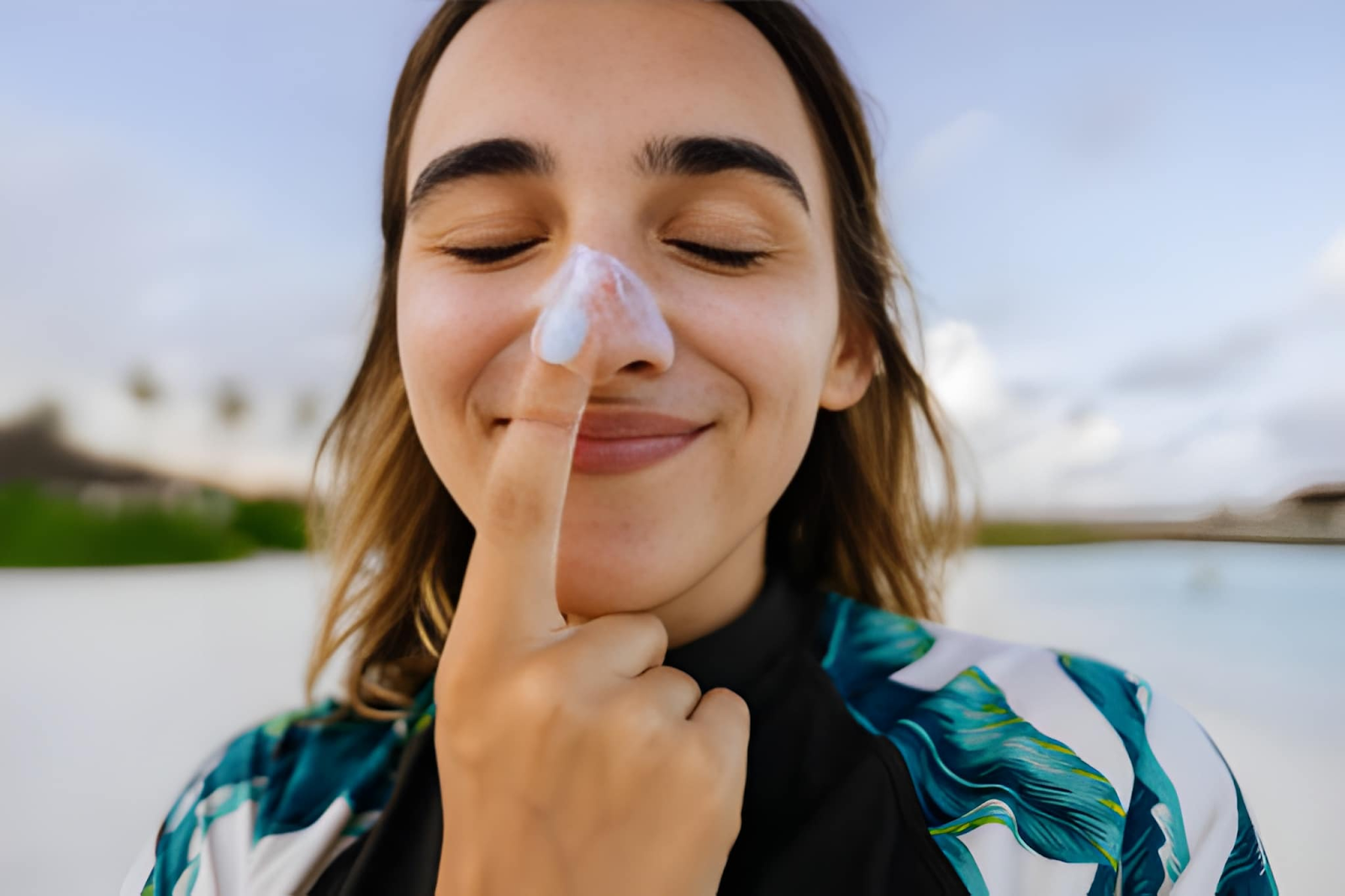
Spending time outside feels great, but your skin takes a beating without the right protection. More than 70% of people use way less sunscreen than they need during outdoor fun. This guide shows you how to pick the best sunscreen to prevent tanning and shares simple tips to protect your skin from the sun naturally. Your summer skin needs this info, so let's get started with how to use sunscreen for sunburn prevention.
Importance of Sunscreen for Outdoor Activities
Sunshine feels amazing on your skin. But those UV rays cause serious damage you won't see right away. That healthy tan you want? It actually means your skin cells are fighting damage deep inside.
UV light makes your skin age faster. It raises your chances of getting sunburn and skin cancer, too. Skin cancer rates keep climbing across North America. Those sneaky rays reach you through clouds and shade on sunny days and cloudy ones.
Using sunscreen for sunburn prevention creates a shield between your skin and danger. Think of it like wearing good shoes on a rocky trail. Skip this simple step, and you might regret it for years. Just one rough afternoon at the beach or park can cause lasting damage.
Want more simple, research-backed skincare tips you can actually use? Visit Balancedliv.
Types of Sunscreens
The sunscreen aisle looks confusing with so many choices. Each type protects your skin differently. Let's break down what works best for your outdoor plans.
Physical Sunscreens
Physical sunscreens sit on top of your skin like armor. They bounce the sun's rays away before damage happens. The main ingredients are zinc oxide and titanium dioxide.
Picture tiny mirrors covering your face and arms. They reflect UV light while you hike, bike, or play frisbee at the park. People with sensitive skin love these because they rarely cause reactions.
These formulas work the second you put them on. No waiting around before heading outside. Today's versions feel much lighter than those thick white creams from swim lessons as a kid. They still give strong protection against both UVA and UVB rays.
Here's another bonus. Physical sunscreens won't sting your eyes when sweat drips down. Perfect for summer runs or sports games in hot weather across North America.
Chemical Sunscreens
Chemical sunscreens sink into your skin and create an invisible shield. They absorb harmful rays and turn them into heat. Your body then releases that heat safely. Common ingredients include avobenzone, oxybenzone, and octinoxate.
People like these because they feel weightless on the skin. They rub in clearly and work well under makeup. The formulas blend easily without leaving white marks on your face. Fast absorption helps when you're rushing out the door. Great for quick bike rides with friends on weekends. These work well for daily use.
One thing to watch out for: some chemical sunscreens irritate sensitive skin. If you have allergies or react easily, test a small spot first. Try it on your inner arm before covering your whole body for outdoor activities.
Combination Sunscreens
Combination sunscreens mix mineral ingredients with chemical filters. You get zinc oxide or titanium dioxide plus chemical blockers in one bottle. This blend gives strong sun protection while keeping the formula light.
Broad-spectrum coverage blocks both UVA and UVB rays during your time outside. Many people with sensitive skin find these gentler than pure chemical options. The mix of ingredients works together for better protection.
These sunscreens blend quickly without leaving white marks. You can apply them before hiking or sports and still look natural in photos. They layer nicely under makeup and over moisturizer, too.
Different brands feel different on your skin. Try a few to find your favorite, especially if you need something that works during sweaty activities. Look for one that won't run into your eyes when biking trails or running errands on hot days.
Understanding SPF and Broad Spectrum
SPF and broad spectrum sound fancy on sunscreen labels. But these terms really matter for keeping your skin safe. Let's clear up what they mean.
What is SPF?
SPF stands for Sun Protection Factor. This number tells you how long sunscreen helps prevent sunburn. Here's an easy example: if your bare skin burns in 10 minutes, SPF 30 gives you about 300 minutes of protection. That only works if you apply it correctly, though.
Higher numbers don't double your protection like you might think. SPF 15 blocks about 93 percent of UVB rays. SPF 30 blocks around 97 percent. The jump isn't as big as the numbers suggest.
Brands love putting huge numbers on bottles. Walking through the drugstore feels like a guessing game sometimes. Real protection comes from using enough sunscreen and reapplying often. Don't just grab the highest number and forget about it.
What does Broad Spectrum mean?
Broad spectrum protects you from two types of sun rays: UVA and UVB. UVA rays go deep into your skin. They cause wrinkles, dark spots, and tanning. UVB rays hit the top layer of skin and cause sunburns.
Without a broad spectrum on your bottle, you only get half the protection you need. Both types of rays damage your skin in different ways.
Always look for "broad spectrum" on the label before buying. Make it part of your outdoor gear checklist. Broad spectrum stops both burns and dark spots, not just one.
How to Choose the Right Sunscreen
Finding the perfect sunscreen feels overwhelming with so many options. These simple tips will help you pick the right one for your skin and activities.
Consider your skin type.
Got oily or acne-prone skin? Pick an oil-free, non-comedogenic sunscreen. These won't clog your pores or make your face shiny. They work great even on hot July days.
Dry or sensitive skin needs mineral sunscreens with zinc oxide. They calm your skin while protecting it from sunburn and tanning. People with darker skin tones need protection, too. Dark spots can show up on any skin color after too much sun.
Fair-skinned folks burn super fast. Think ten minutes on a bright summer day in Toronto or Dallas. You might need SPF 50 or higher if this sounds familiar. If your skin rarely burns, broad-spectrum SPF 30 usually works fine. But never skip it during outdoor activities like hiking or soccer.
Look for water-resistant options.
Now that you know your skin type, think about your activities. Pool parties, sweaty hikes, and summer softball games call for water-resistant sunscreen. Keep one in your bag at all times.
Labels marked "water-resistant" mean protection lasts 40 or 80 minutes while you swim or sweat. The sunscreen stays on longer, but not forever.
Toweling off after a swim? Reapply right away. A light rain won't wash it all off, but heavy sweating will. Nothing lasts all day when you're playing hard outside.
Check for reef-safe ingredients.
You found a water-resistant sunscreen you like. Now check what's inside the bottle. Many sunscreens contain chemicals that hurt coral reefs and sea life.
Look for "reef-safe" or "oxybenzone-free" on labels. Hawaii banned oxybenzone and octinoxate in 2021. These chemicals damage ocean habitats and kill coral.
Mineral-based options with zinc oxide or titanium dioxide protect your skin and marine life. Choose non-nano versions for the best ocean safety. Small choices add up to big changes.
Whether you're kayaking off Vancouver Island or swimming near Miami Beach, reef-safe ingredients matter. They keep our favorite adventure spots beautiful for years to come.
Proper Application of Sunscreen
Using sunscreen the right way makes all the difference. Most people miss spots or use too little. These tips will help you get it right every time.
How much sunscreen to apply
Fill a shot glass with sunscreen. That's about one ounce for your whole body. Most adults in the US and Canada use way less than they need. Think of it like frosting a cake. Cover every spot with no dry patches.
Dot sunscreen on your face, arms, legs, neck, and ears. Don't forget the tops of your feet! Rub everything in well until you don't see white streaks.
Just doing your face and neck? Use a nickel-sized amount each time. Whether you're hiking Whistler's trails or hanging out at Lake Michigan beaches, good coverage matters. One extra minute of applying saves hours of pain later!
How often to reapply
After learning how much to use, timing becomes your next focus. Reapply every two hours, even on cloudy days. Clouds don't block all UV rays.
Sweat, swimming, and towel-drying remove your protection fast. These activities mean you need to reapply sooner. Water-resistant sunscreens give you 40 to 80 minutes in the pool or ocean. After that, your skin is exposed again. It's like leaving your car windows down in a rainstorm.
Don't count on morning sunscreen to last all day. The American Academy of Dermatology says to keep that bottle close during hikes, games, or lake days. Make sunscreen breaks part of your outdoor routine. Think of them like water breaks for your skin!
Tips to Avoid Sunburn and Tanning During Outdoor Activities
Smart sun habits protect your skin while you enjoy outside time. These easy tips stop burns and stubborn tans from ruining your fun.
Wear protective clothing
Long sleeves, pants, and high-neck shirts shield your skin from harsh rays. Tightly woven fabrics block more UV radiation than loose, thin materials. Light colors reflect heat better. You'll stay cooler during summer hikes or outdoor runs.
UPF-rated clothing adds extra protection against sunburn and tanning. These special fabrics work even on cloudy days. They create a strong barrier between you and the sun.
Wide-brim hats protect more than just your head. They shield your face, ears, and neck, too. Baseball caps only cover part of your forehead. Choose the wide-brim option for better coverage.
Use sunglasses and hats.
Sunglasses with UV protection keep harmful rays away from your eyes. Too much sun ages the thin skin around your eyes quickly. Wrinkles show up sooner than you want. You don't need expensive brands either. Affordable pairs labeled "100% UV protection" work great.
Hats change the game for outdoor activities. Whether you're hiking or watching noon baseball games, they help a lot. Pick hats with wide brims for complete protection of your face, neck, and ears. Regular caps leave too much skin exposed.
Seek shade during peak hours.
The sun hits hardest from 10 a.m. to 4 p.m. UV rays grow stronger during these hours. They damage your skin faster than you expect, even when it's cloudy. Find shelter under trees, umbrellas, or building overhangs when possible.
Your skin needs these breaks from direct sunlight. It's not being lazy, but it's being smart about skincare.
Move from shade to shade at outdoor festivals or while hiking. Walk beside tall buildings when you can. Even a wide-brim hat creates its own portable shade. These small moves lower your sun exposure at parks and beaches.
Common Sunscreen Mistakes to Avoid
- Using too little sunscreen leaves your skin exposed. Even if you think you covered everything, you probably missed spots.
- Rushing outside and skipping areas like your ears or neck makes sunburn much more likely.
- Many people forget to reapply after sweating or swimming. One swim in the lake washes off your protection. It's like you never put sunscreen on at all.
- That bottle from last summer might not work anymore. Old sunscreen loses strength after about three years. Check the date before using it.
- Missing important label info causes problems, too. Not all SPF products guard against both UVA and UVB rays. Always check for "broad spectrum" before buying sunscreen for outdoor activities in Canada or the US.
- Cloudy days and cool weather still need sun protection. You'd be surprised how fast a tan shows up while hiking under gray skies! Many people skip sunscreen when it's not hot and sunny. Big mistake. UV rays reach you year-round.
Conclusion
Outdoor fun needs smart sun care to keep your skin healthy. Choose the right sunscreen for sunburn prevention for your skin type and activities. Reapply it every two hours like clockwork. Your hat and sunglasses aren't just accessories. They're essential gear for sun protection. These small steps make a huge difference in preventing damage.
Healthy skin never goes out of style. Keep your guard up against sunburn and tanning every single time you step outside. Your future self will thank you for the extra care you take today!
FAQs
1. How often should I reapply sunscreen during outdoor activities?
You need to put on more sunscreen every two hours, or sooner if you swim or sweat a lot. Even the best lotion loses its punch after a while, so don’t trust it to last all day.
2. What type of sunscreen works best for avoiding sunburn and tanning outside?
Pick one with broad-spectrum protection and an SPF of at least 30. Creams stick better than sprays when you’re running around in the sun, especially if your skin gets wet.
3. Can I skip sunscreen on cloudy days or early mornings?
Nope, not a good idea. UV rays sneak through clouds and hit your skin even when it’s cool out or before noon; that’s how folks end up pink without realizing it.
4. Are there tricks for making sure my sunscreen actually protects me during sports or hiking?
Cover every bit of exposed skin, ears, nose bridge, tops of feet, don’t forget those sneaky spots! Use enough cream so you see a thin layer before rubbing it in; most people use too little and pay the price later with red shoulders or peeling noses.