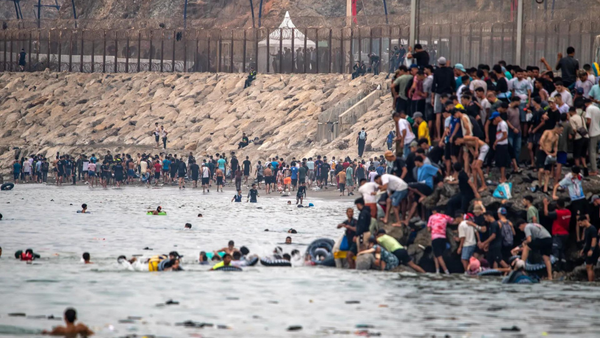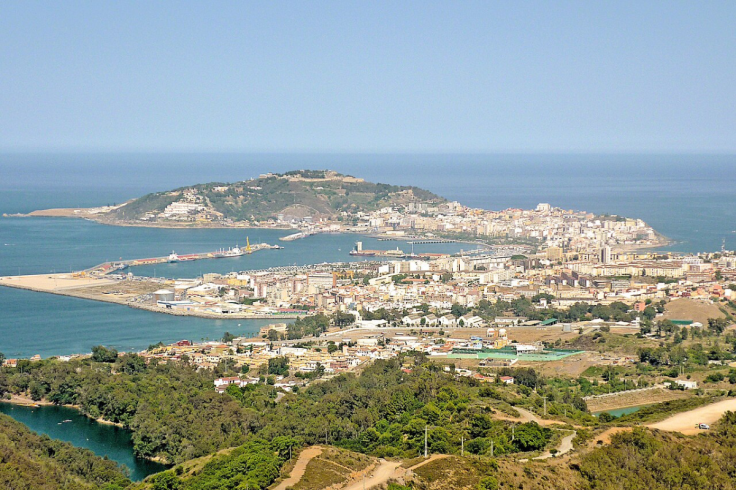
Spain is struggling with a mass crossing after thousands of migrants crossed the border from Morocco into Spain's North African enclave of Ceuta. The border emergency overwhelmed local authorities, with 15 people recorded dead at the time of writing, after desperately attempting to build new lives on European soil.
Reports say that the causes of death were mostly from swimming across Tarajal breakwaters from the Moroccan coast, often without proper flotation devices. Officials and humanitarian organisations fear that the death toll could rise as rescue operations continue.
Reception centres were immediately overcrowded, forcing additional military and security personnel to be called on the scene. In a statement released by Ceuta's regional president, Juan Jesús Vivas, the situation is 'out of control', and the city is in a state of 'total humanitarian and social emergency'.
Scenes From the Chaos
@usserrname040 That’s so scary #viral#spain#marroco#ceuta#fyp
♬ orijinal ses - 𝐌𝐫𝐊𝐡𝐨𝐬𝐫𝐨𝐯𝐥𝐮🎧🎶
Rachid Sbihi, the head of the association of Spanish Civil Guard officers, told an outlet that the situation was 'absolute chaos.' The officer was also unable to provide a precise number of migrants and could only state that there were thousands.
As Spanish authorities grappled to regain control of the situation, questions also emerged about how the mass crossing unfolded.
Achraf Maimouni, a member of the Moroccan Association for Human Rights, said the Tarajal border 'was opened under unusual circumstances,' though officials have yet to clarify the reasons behind the apparent change in border operations.
Witnesses have also stated seeing droves of people, mostly Moroccans, walking towards local roads from the beach.
Reception Centres Stretched to Their Limits
Despite continuous efforts from Spanish and Moroccan forces, arrivals continue in Ceuta, forcing some migrants to sleep outdoors since reception facilities are at their fullest capacities.
The migrants also included children, some of whom are unaccompanied, which also put immense strain on humanitarian care services. Officials have since argued that Ceuta can't be handled on their own, and have appealed to Madrid for urgent assistance.
To help local authorities, Spain has deployed more officers, Civil Guard personnel, and military units to help reinforce the border.
Searches Continue as Migrants Continue Arriving
Swimming from Morocco to Ceuta has proven deadly for many who are looking to step on European soil. The Tarajal breakwaters often see strong currents and winds, which makeshift flotation devices and inflatable rings are no match for.
Spanish rescue teams have been deployed, along with support from the Red Cross and maritime services. Although they've pulled out exhausted swimmers successfully, they've also reported at least 15 deaths during the latest wave of crossings.
Meanwhile, the Moroccan government was 'closely cooperating' with Spain to handle the situation, according to the country's Interior Ministry.
Both countries are also reportedly working together, with Moroccan police stopping 'numerous people' who are trying to cross the border by reportedly firing water cannons.
The Road Ahead
As Ceuta struggles to recover from one of its deadliest mass migration crises since 2021, the incident serves as a reminder of the lengths people would take to find safety and opportunity.
Local authorities continue to prioritise protecting lives and restoring order, but the crisis also highlights the importance of international cooperation and finding long-term solutions for handling national borders.