For some people in Britain, the EU referendum result meant neither relief nor disappointment, but fear. For people who live in the UK but don’t hold a British passport, or for those of us who were born here and aren’t white, being in Britain suddenly feels a little less safe.
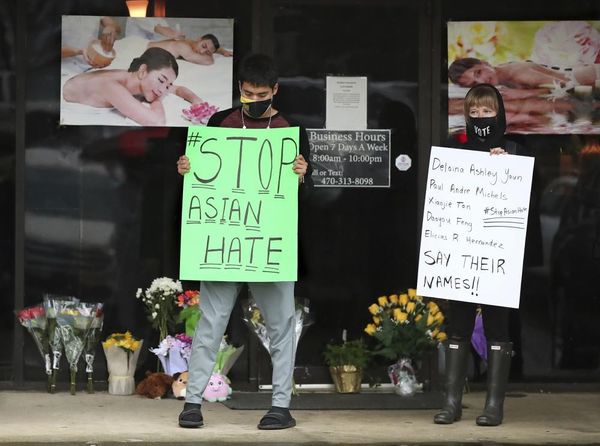
A Polish community centre in Hammersmith, London was vandalised, a man on a Manchester tram was told to “go back to Africa” by a group of youths. A few days ago police confirmed the number of hate crimes reported had increased fivefold in the space of a week. And police statistics are the tip of the iceberg. The government’s own estimates suggest fewer than half of personal hate crimes are even reported to the authorities.
It’s easy to focus on statistics when they’re this shocking. But this is about people’s lives. Far too many people who live in Britain feel unsafe, and their experiences of the police in the UK mean they don’t trust them to handle these incidents. They feel scared to walk down the street. They feel that our communities and public spaces do not welcome or protect them. And that’s not just because of those hurling racist insults or posting cards through letter boxes telling people to leave, it’s because of the people who witness these incidents and too often stay silent or look the other way.
Last week a handful of friends and I got together to launch istreetwatch.co.uk, a platform that asks victims of racism and xenophobia to report their experiences online. The site plots these incidents on a map of the UK, which allows people to track incidents over time, and see the areas where most abuse has been reported. People can submit reports with their names or anonymously, and share their stories in their own words.
They make for pretty grim reading. From the family in Lancaster who were spat at, to the patient who refused to be attended to by an Italian NHS worker to the swastikas painted on a Watford pavement, istreetwatch paints an ugly picture of post-Brexit Britain. It would be naive to see the referendum as the cause of so much hate, or to pretend that those at risk now were safe before. But scrolling through the timeline enough of the incidents involve references to the referendum to make it clear that the result has unleashed something.
We ask people reporting incidents to tell us whether anyone intervened – to stop the harassment, to comfort those affected, or to admonish those being verbally or physically abusive. Because if you sit in silence and do nothing you are part of the problem. We ask people that visit the site to take a pledge to challenge racism and xenophobia and speak up when it is safe to do so. So far there are six pledges for every incident reported.
A few people have asked if reporting to the site would inform the police. It won’t. I would encourage anyone that experiences hate crime to report it – if they feel able to. But I won’t judge people that choose not to due to mistrust of the authorities. In any case, the police can usually only act after the fact. They are unlikely to be there to intervene when people are prevented from going about their normal lives in peace. And that’s why we’re focused on community action to end these acts of hate.
Because the people who have pledged to act tell the story of another Britain. Of a country with a proud anti-racist tradition that blocked fascists from marching down Cable Street and kicked the British National party out of Barking and Dagenham. Of people who understood that we determine what is acceptable and unacceptable in public spaces and our streets. The rising tide of racism and xenophobia requires all of us to stand up and be counted to make sure our streets are safe for everyone.