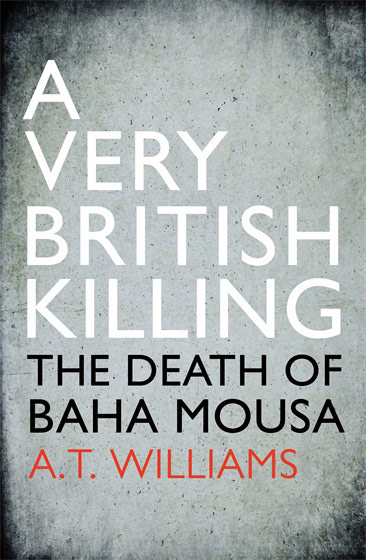
An account of the death of an innocent hotel receptionist, Baha Mousa, in British custody in Iraq. Williams, who teaches law at the University of Warwick, details the killing and the flawed investigation and prosecutions which followed, and exposes what he calls "a culture of callous indifference that infected a whole battalion and permeated far up the command chain, both military and governmental".
• More on A Very British Killing Photograph: PR
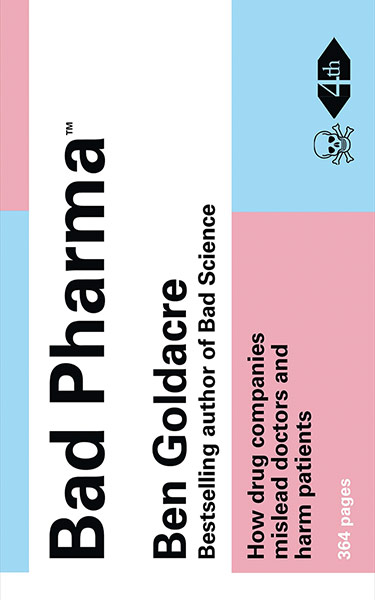
This follow-up to Goldacre's previous book Bad Science is a thorough piece of investigative medical journalism, which uses eye-popping anecdotes about medical charlatans to lighten a pretty dark picture. "What keeps you turning its pages", wrote reviewer Louise Dillner, "is the accessibility of Goldacre's writing (only slightly flabby in places), his genuine, indignant passion, his careful gathering of evidence and his use of stories, some of them personal, which bring the book to life."
• Read the full review here Photograph: PR
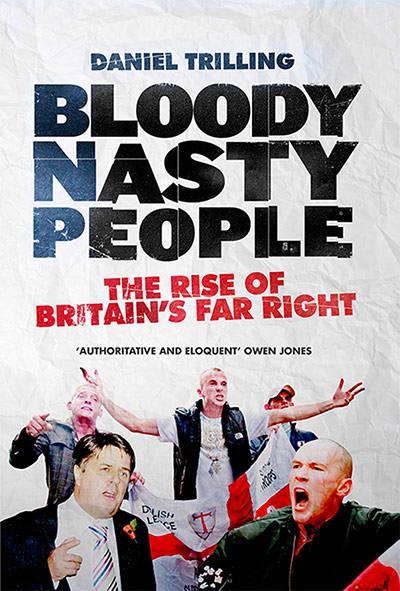
This account of the the far-right in British politics takes its name from a Sun pun. Tracing the development of the movement from the formation of the National Front in In 1967, Trilling asks a number of questions and demolishes several myths, concluding that - though less of a threat than in many other European countries - the BNP and other groups remain too dangerous to ignore. "Daniel Trilling addresses these issues in a brisk but compelling narrative," wrote David Edgar in the Guardian.
• See Edgar's full review here Photograph: PR
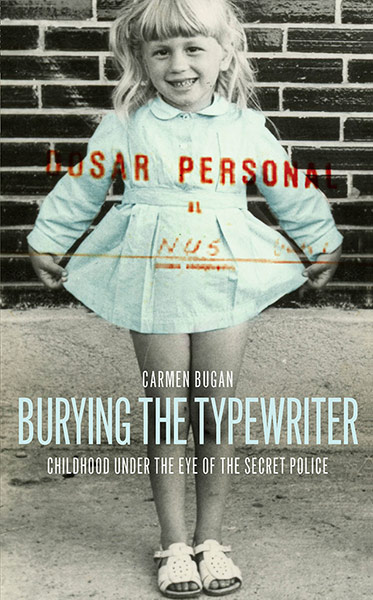
This memoir of a childhood spent in Ceausescu's Romania opens with the discovery of a piece of writing by Bugan's father, which had been hidden in the garage of the family house. He was a political dissident who had been arrested by the secret police, and the book gives a child's perspective on a society and a political system she barely understands. Reviewing the book in the Guardian, Linda Grant wrote: "Burying the Typewriter is a warm and humane work, though its child's perspective remains muffled from the greater horrors of the regime."
• Read the full review here Photograph: PR
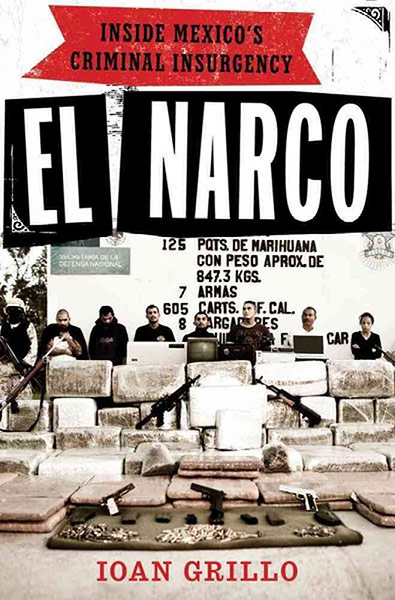
Grillo, a journalist based in Mexico City, investigates a problem which is becoming worse by the day, spilling over into the United States. Billed as the first definite portrait of Mexico’s drug cartels and how they have radically transformed in the last decade", the book travels from the barrios and marujuana fields, looking at every participant in an undeclared war involving tens of thousands of troops in paramilitary death squads and leaving political strategists floundering for a solution. Photograph: PR

Starting in first half of the 19th century, Mishra looks at attempts by Asian thinkers (in Afghanistan, China, India, Iran, Turkey) to rebuild their cultural and political identities after collisions with the imperialist west. He charts the way that Asia's steady disillusionment with western modernity through two world wars has contributed to the rise of China, India and global Islam. Reviewing it in the Guardian, Julia Lovell wrote: "There is here no triumphal sense of "eastern revenge" against the 19th century's "white disaster", but rather one of self-doubt, inconsistency and virtuous intentions gone badly wrong."
• Read the full review here Photograph: PR
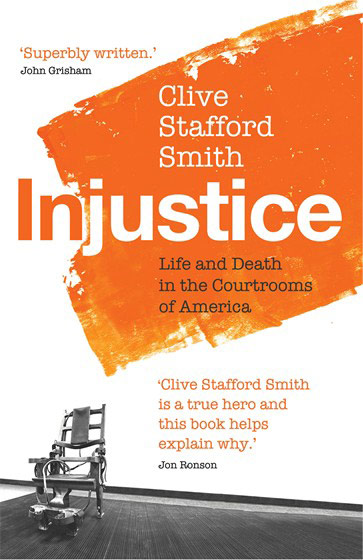
Stafford-Smith, an international human rights lawyer, draws on his experiences with prisoners on Death Row for the detail of a book which makes a compelling case against the death penalty in the US. Reviewing the book in the Observer, Ed Vulliamy wrote: "Stafford Smith relates, unsparingly, the barbarism of execution, and the gratuitous, procedural humiliations and cruelties America includes for the hell of it."
• Read the full review here Photograph: PR
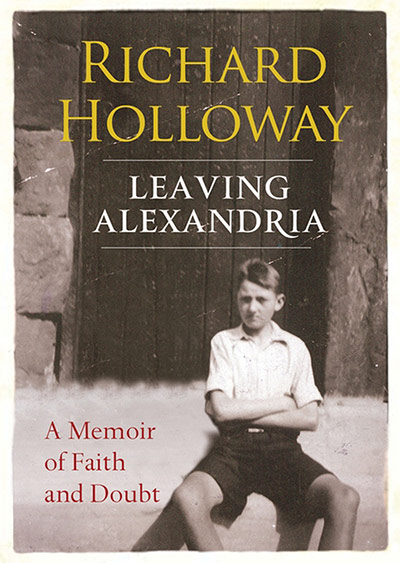
After resigning as Bishop of Edinburgh in 2000, Richard Holloway sat down to write an account of the spiritual journey that led him to that decision. Reviewing the book in the Observer, Mary Warnock wrote: "Richard Holloway's developing thoughts about the nature and purpose of religion, and especially about the status of the Christian narrative, slot seamlessly into the story of his own life; in fact, they form its principal drama."
• Read the full review here Photograph: PR

• Read the full review here Photograph: PR
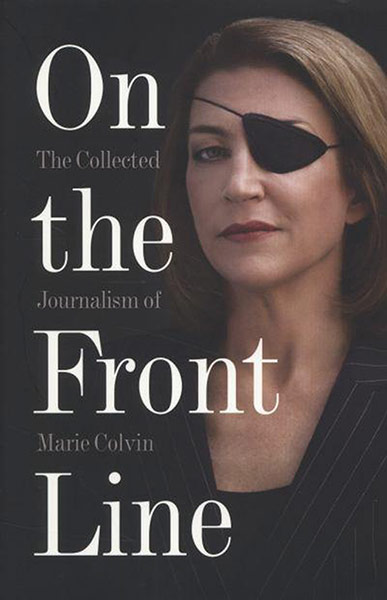
Marie Colvin, one of the great war reporters of the last half century, died last year in a rocket attack during the the siege of Homs in Syria.This book collects her writing from 1986 onwards, taking her to Chechnya, Guantánamo Bay, Palestine and not least to Syria. "To read a great newspaper reporter's work in a collected volume is entirely different from the cumulative effect of the articles over time," wrote Ed Vulliamy. "Here it all is, a vast Marie Colvin box set, poignant beyond words."
• Read the full review here Photograph: PR
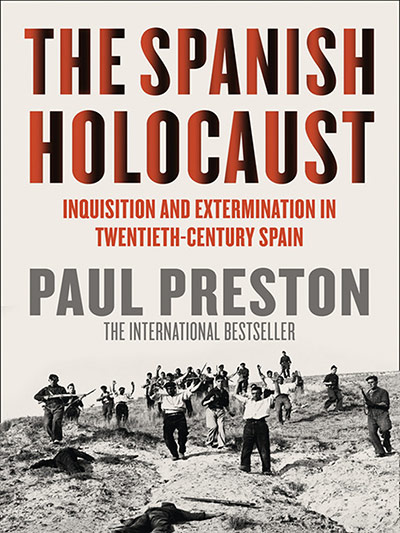
As an outsider who has become one of Spain's most respected political commentators, Preston is well placed to investigate the atrocities of the Franco years - a history that the Spanish themselves still find it hard to face. He tracks the "holocaust" of his title all the way back to its origins in the Spanish civil war. The result, as reviewer Giles Tremlett wrote, "is an essential read for anyone wishing to understand Spain and its recent history. It is also a damning indictment of Franco's deliberate and far-reaching brutality, which destroys the myth cherished by some Spaniards that he was a 'soft' dictator."
• Read the full review here Photograph: PR
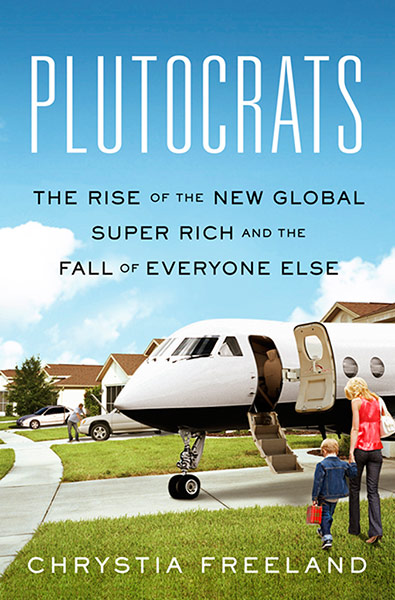
Freedland, an former deputy editor of the Financial Times, meets some very driven people in this investigation into the super-rich. They are bankers, techno-billionaires and Russian oligarchs – most of them male and many of them mathematicians. Reviewer Ian Birrell wrote: "Freeland charts the rise of this class by examining global trends and exploring the consequences of the creation of such a money-laden elite, shifting smoothly from dense academic studies and interviews with George Soros to grappling with the success of Lady Gaga."
• Read the full review here Photograph: PR