Are social media companies such as Facebook and Twitter responsible for helping spread and disseminate extremist information and propaganda with deadly consequences. And if so, should they be held responsible?
That is certainly the contention of several relatives of the people killed in a gay Florida nightclub shooting, who filed a lawsuit claiming Twitter, Facebook and Google provided “material support” to Isis and helped to radicalise gunman Omar Mateen.
The lawsuit, first reported by Fox News, was filed on Monday in federal court in the eastern district of Michigan on behalf of the families of Tevin Crosby, Javier Jorge-Reyes and Juan Ramon Guerrero.

“Without defendants Twitter, Facebook, and Google (YouTube), the explosive growth of Isis over the last few years into the most feared terrorist group in the world would not have been possible,” said the lawsuit.
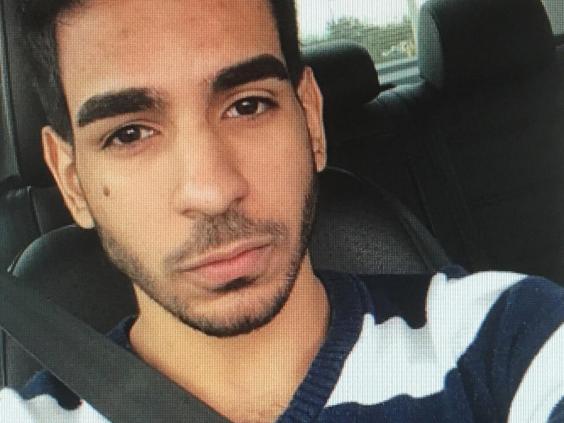
Mateen, a 29-year-old security guard who pledged allegiance to Isis, opened fire inside Orlando’s Pulse nightclub in June. He killed 49 people and wounded 53 others before being killed by police in what the deadliest mass shooting in recent US history.
Isis claimed responsibility for the attack, although investigations found Mateen was not a member of the terror group but had been inspired by it.

“Mateen was radicalised by Isis using the defendants tools for that express purpose,” Keith Altman, the lawyer representing the three families, told Fox News.
Reports said the lawsuit was the latest to target popular internet services for making it too easy for Isis to spread its message.
In June, the family of a California college student killed in last year’s terrorist attacks in Paris sued Facebook, Google and Twitter. Mr Altman also represents the family of that student, Nohemi Gonzalez.
At the heart of the lawsuit is a provision included in the Communications Decency Act (CDA) of 1996 called Section 230.
The language of Section 230 says: “No provider or user of an interactive computer service shall be treated as the publisher or speaker of any information provided by another information content provider.”
This has been taken to mean that sites such as Facebook or YouTube are not liable for what their users post on their sites.
Yet Isis also uses Facebook, Twitter and YouTube to spread propaganda and to attract and train new recruits. Earlier this month, Facebook, Google, Microsoft and Twitter said they would share a database of terror images and videos to more quickly remove terrorism content.
The families who filed the lawsuit believe that that the publishing sites should be held responsible in some way.
“I wish we could get some regulations put in place,” said Mr Guerrero. “They have to do something to prevent these people from doing things like this.”
Facebook, Twitter and Google have yet to comment on the lawsuit.